In today’s logistics, mining, and construction industries, drone photography has become a powerful tool for monitoring, measuring, and managing stockpiles. From volumetric analysis to visual progress reporting, aerial imaging offers an efficient and accurate alternative to traditional ground-based surveys. However, flying drones over stockpiles isn’t as simple as lifting off and pointing the camera. To truly benefit from drone-based data collection, organizations must avoid common mistakes that compromise image quality, accuracy, safety, and legal compliance.
At St Louis Aerial Photography, we’ve flown hundreds of stockpile missions across a variety of terrains and industries. Here are the top mistakes businesses make when flying drones over stockpiles—and how to avoid them.
1. Ignoring Flight Planning and Terrain Awareness
One of the most common (and costly) mistakes is launching a drone without adequate flight planning. Stockpiles often feature uneven elevations, steep angles, or shifting material. Without a pre-planned autonomous flight path or manual strategy that accounts for topography, it’s easy to miss essential data or capture distorted imagery.
Solution:
Use mapping software (like DroneDeploy or Pix4D) to pre-plan grid patterns and flight altitudes. Always factor in pile height, buffer zones, and possible elevation changes to ensure consistent overlap and image resolution.
2. Flying Too Low or Too High
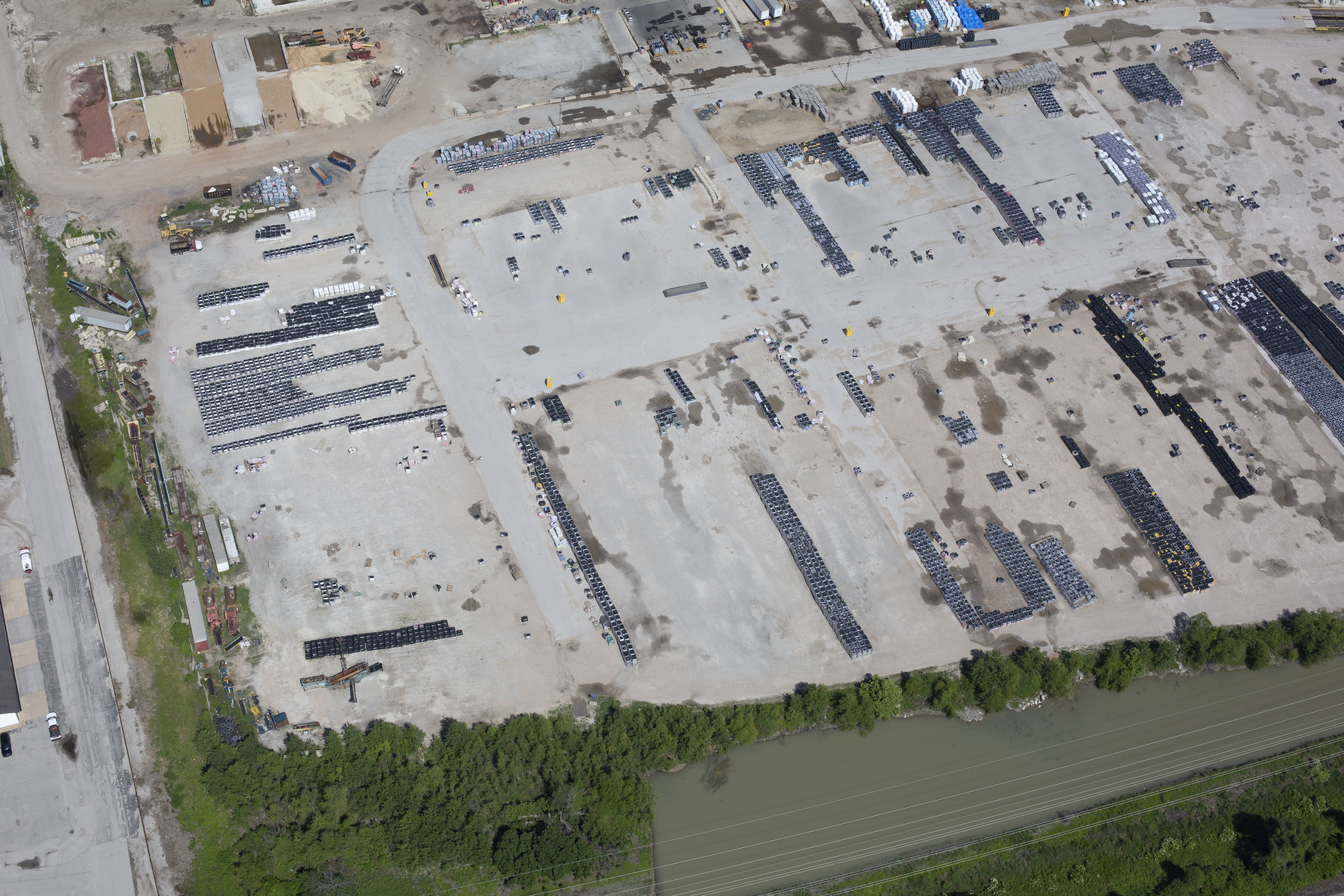
Altitude matters. Flying too low can limit your field of view, reduce stitching quality in mapping, and increase collision risk with conveyors or machinery. Flying too high reduces detail and can violate FAA airspace regulations if conducted near restricted zones.





Solution:
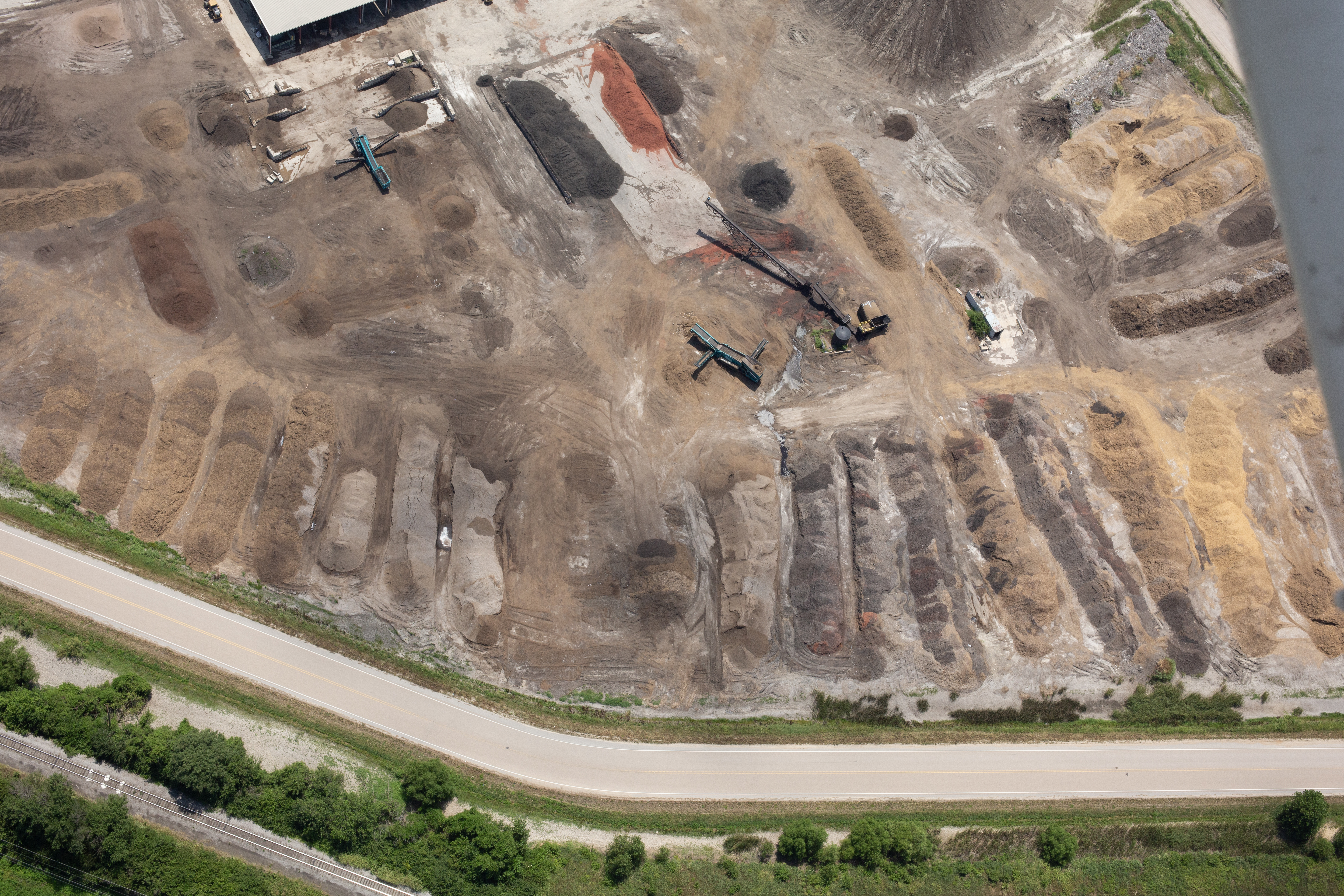
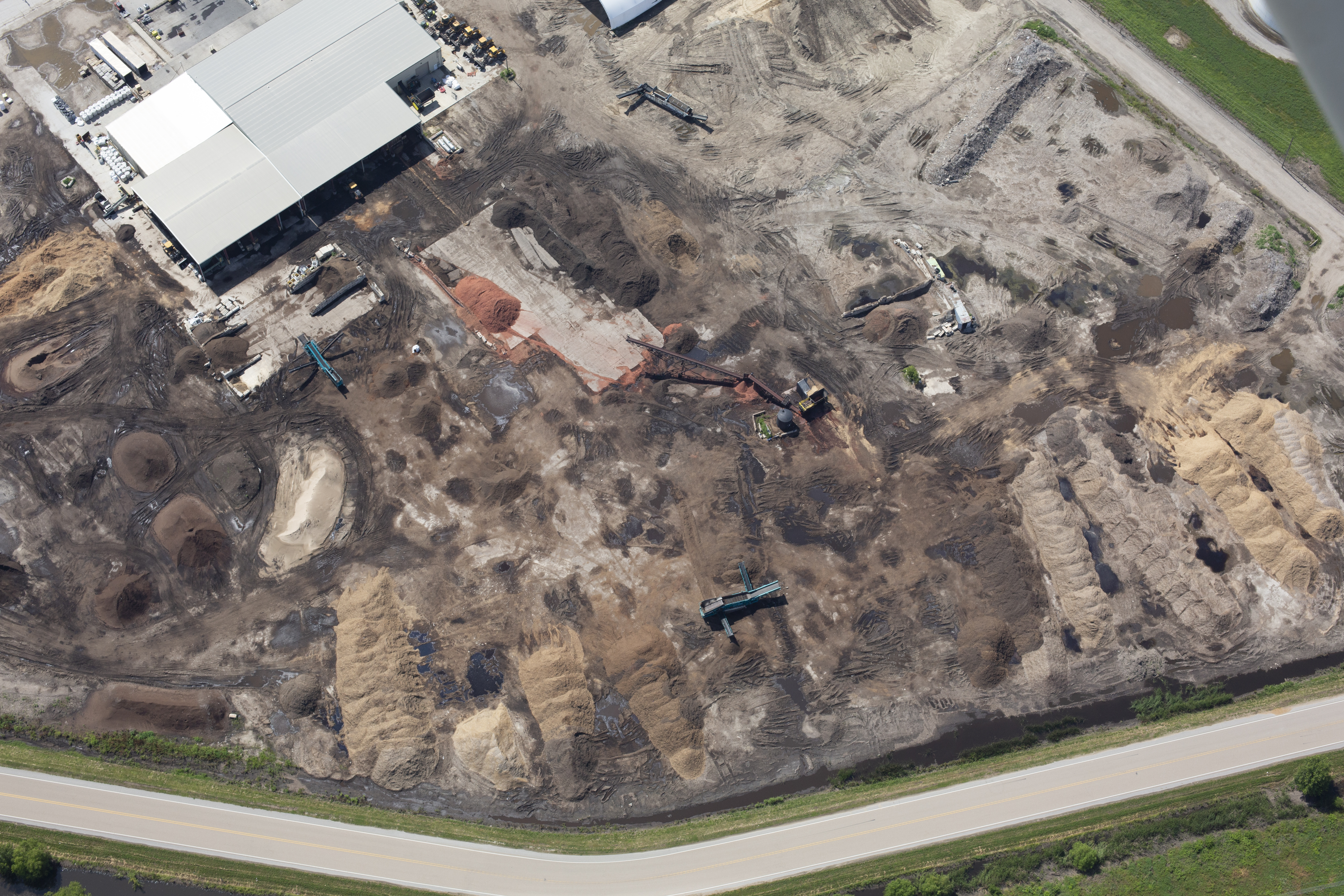
Maintain optimal altitude based on the sensor’s field of view and ground sampling distance (GSD) required for your specific project. For stockpile volumetrics, 150–200 feet above ground level often provides a good balance between coverage and clarity.
3. Failing to Calibrate and Update Sensors
Even high-end drones can deliver poor data if sensors aren’t properly calibrated. Skipping pre-flight checks for GPS signal strength, compass calibration, or camera gimbal balance can result in off-kilter images, poor geotagging, or failed missions.
Solution:
Perform a full sensor calibration and diagnostics check before every flight. Ensure firmware and flight apps are up to date, and that the drone is operating within manufacturer and FAA specs.
4. Neglecting Overlap and Image Sequencing
Capturing aerial imagery with inadequate frontlap and sidelap (typically 70%/60%) results in holes in your 3D model or orthomosaic. Overlapping errors can ruin photogrammetry calculations, leading to inaccurate volume reports.
Solution:
Configure automatic flight missions with consistent image overlap and set your drone to take photos at timed intervals or via terrain-following mode to account for pile elevation changes.
5. Overlooking Legal Compliance and Airspace Restrictions
Flying drones for commercial purposes requires FAA Part 107 certification and awareness of local flight restrictions. Unauthorized operations near airports, over people, or in controlled airspace can result in serious legal consequences.
Solution:
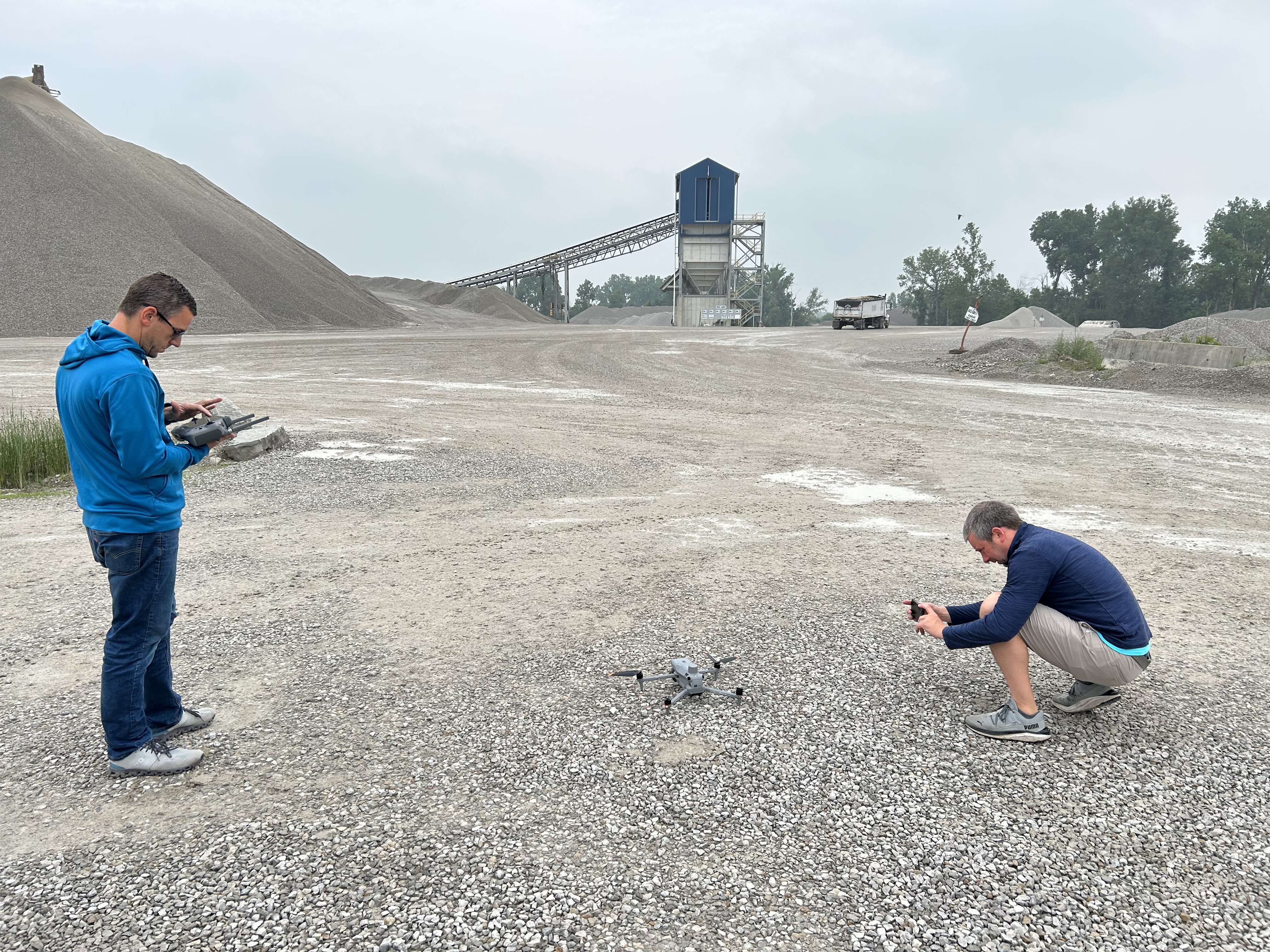
Work only with certified FAA Part 107 drone pilots. At St Louis Aerial Photography, we not only hold the necessary licenses, but we handle all pre-flight authorizations and LAANC approvals to ensure compliant and safe operations.



6. Underestimating Post-Processing Requirements
Collecting aerial data is only half the job. If your team lacks the tools or skills for photogrammetry processing, 3D modeling, or volumetric analytics, your imagery won’t yield the insights you need.
Solution:
Use professional post-production services with experience in stockpile data processing. Our team leverages advanced software, including AI-assisted editing and analytics, to deliver precise and actionable results.
7. Flying in Poor Lighting or Weather Conditions
Lighting dramatically affects shadow detail, image contrast, and color accuracy. Overcast skies can flatten textures, while harsh midday sun creates deep shadows that disrupt 3D reconstruction. Wind and rain are even more damaging to drone stability and sensor function.
Solution:
Schedule flights during optimal conditions—early morning or late afternoon for ideal lighting. Avoid windy or rainy days and monitor weather forecasts closely. Our crew at St Louis Aerial Photography is equipped to reschedule rapidly if conditions change.
Why Experience and Customization Matter
Flying drones over stockpiles is a technically demanding process. It takes more than a consumer drone and a sunny day—it requires experienced operators, professional-grade equipment, and the know-how to integrate all elements into a seamless data acquisition workflow.
At St Louis Aerial Photography, we’ve been delivering professional photography and video services since 1982, including drone services tailored specifically to stockpile monitoring and industrial imaging. We are:
- FAA-certified with experienced commercial drone pilots.
- Fully equipped for indoor or outdoor aerial operations, including obstacle-dense environments.
- Skilled in photogrammetry, volumetric calculations, and AI-enhanced post-processing.
- Capable of producing deliverables in any file format, ready for GIS, marketing, or compliance reporting.
- Experts in repurposing video and photo assets across multiple platforms to increase ROI on your media investment.
Whether you need detailed stockpile measurements, visually engaging aerial content, or custom media for marketing campaigns, St Louis Aerial Photography has the tools, talent, and technical expertise to deliver. From our fully equipped studio to our fleet of specialized drones, we ensure your project is not only completed safely—but with excellence.
Let’s make your next aerial project a success—with precision from above.
Contact us today to learn how St Louis Aerial Photography can help your organization gain new perspectives and accurate insights—safely, creatively, and professionally.
 St Louis Aerial Photography & Video