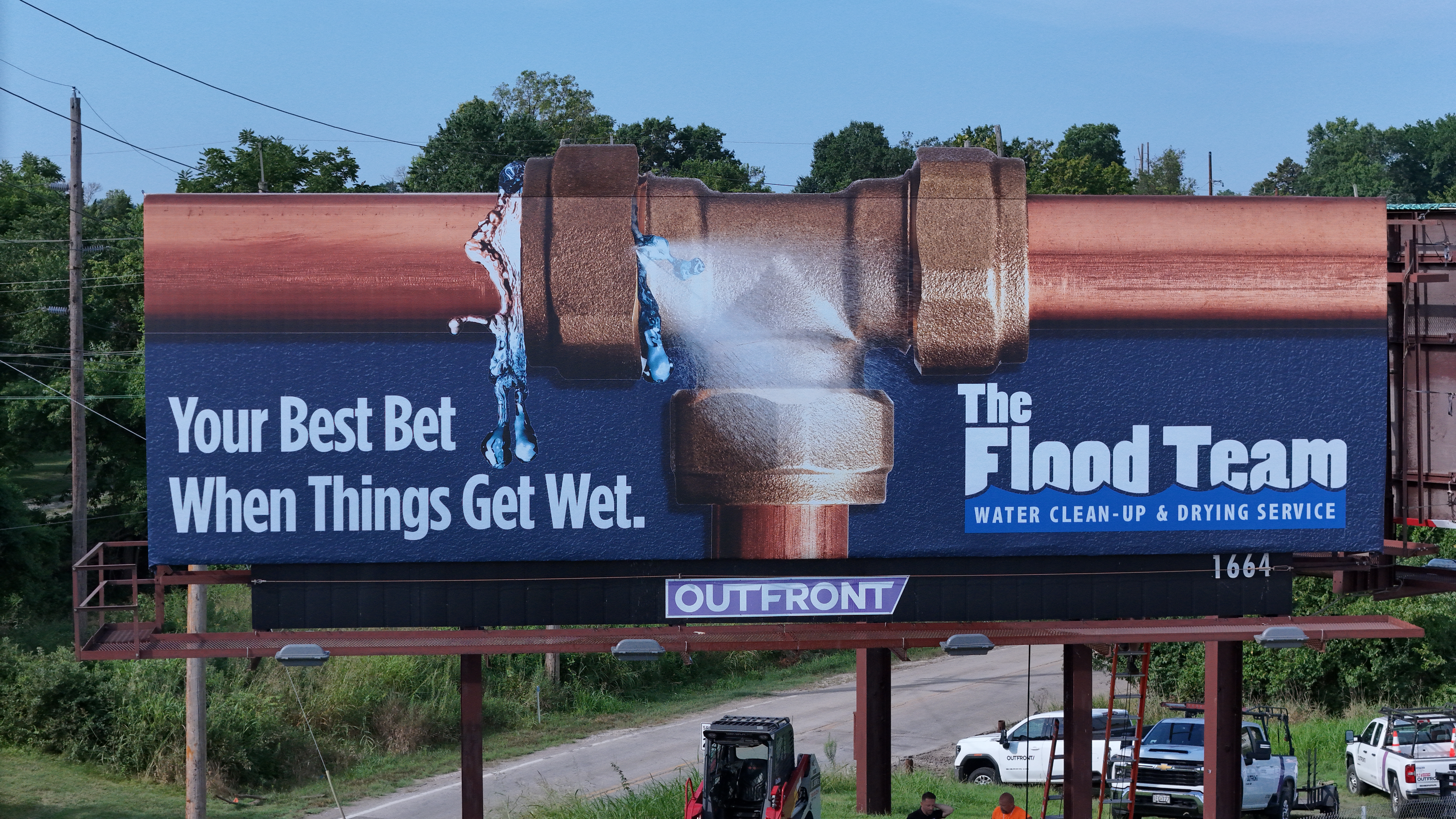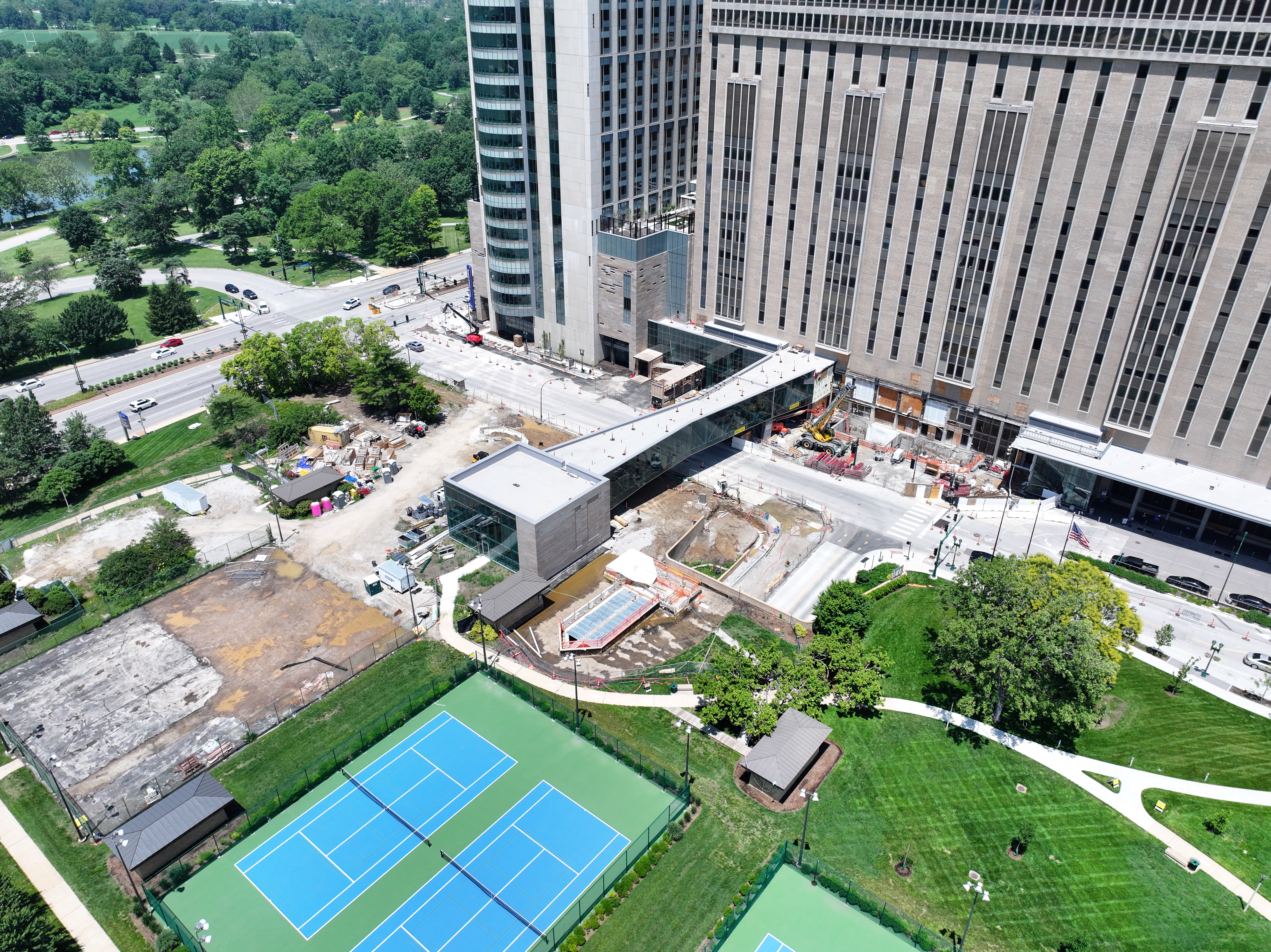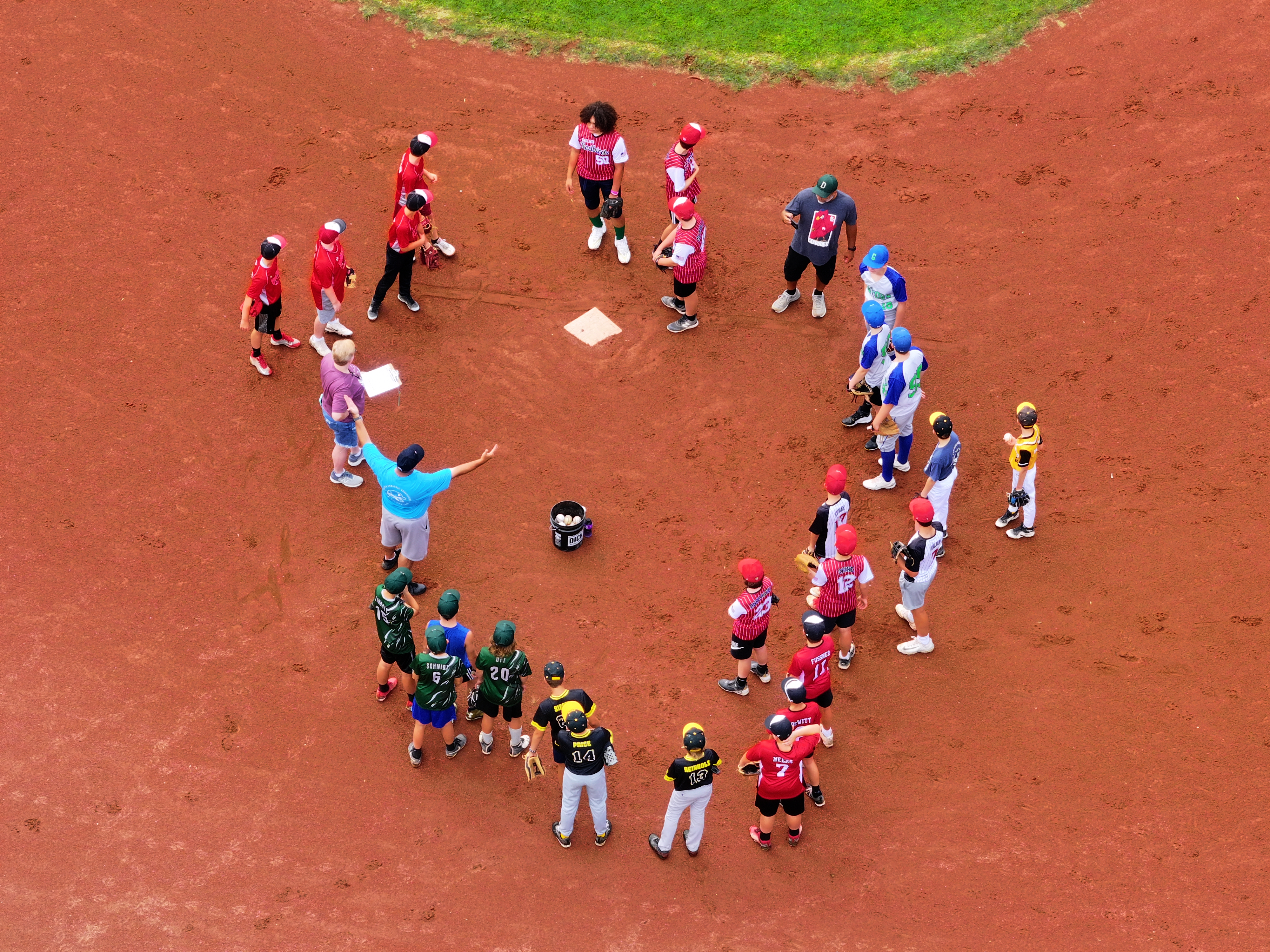
Economical Drone Photographer for St. Louis B-Roll: How to Capture Premium Aerial Footage Without Premium Waste

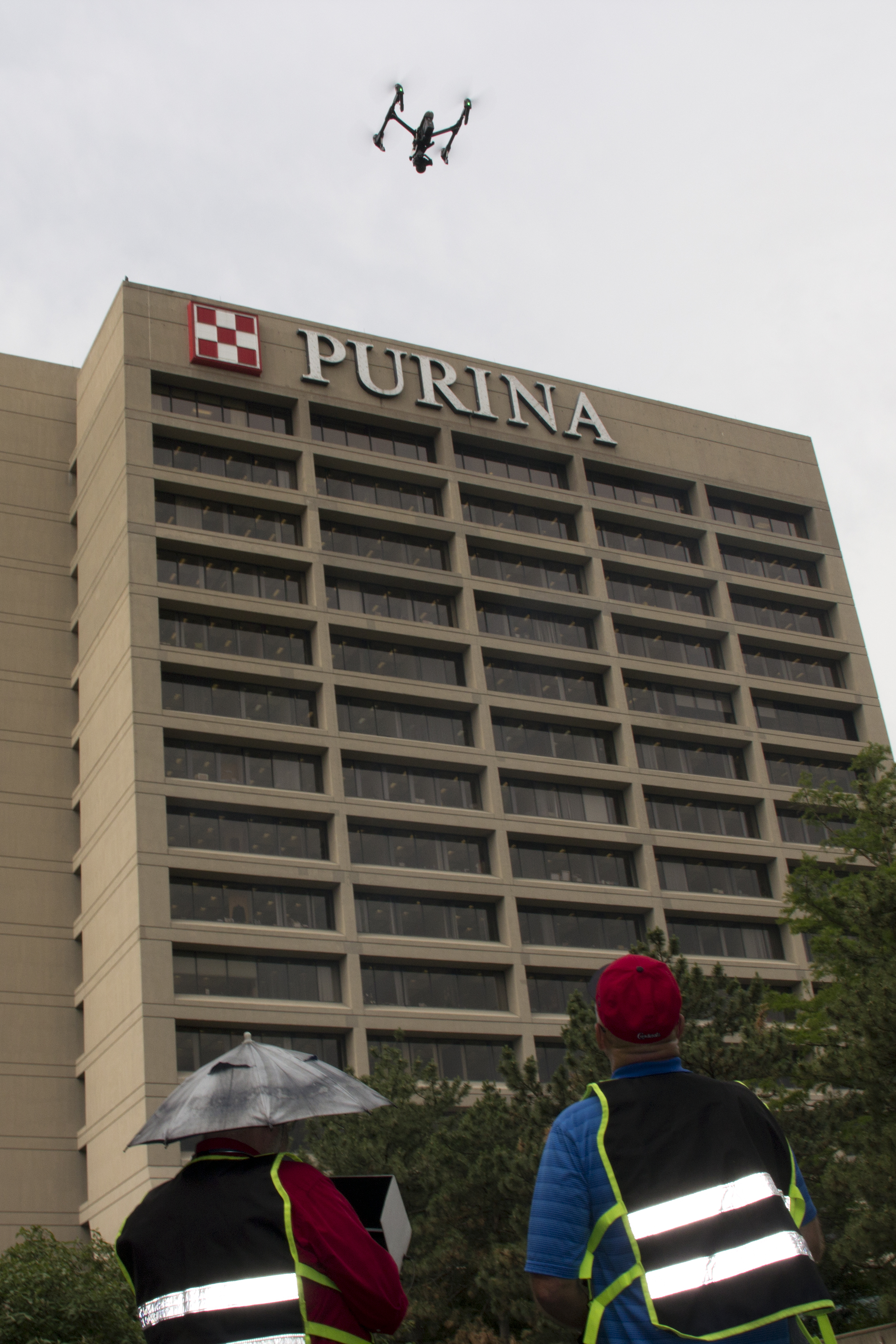
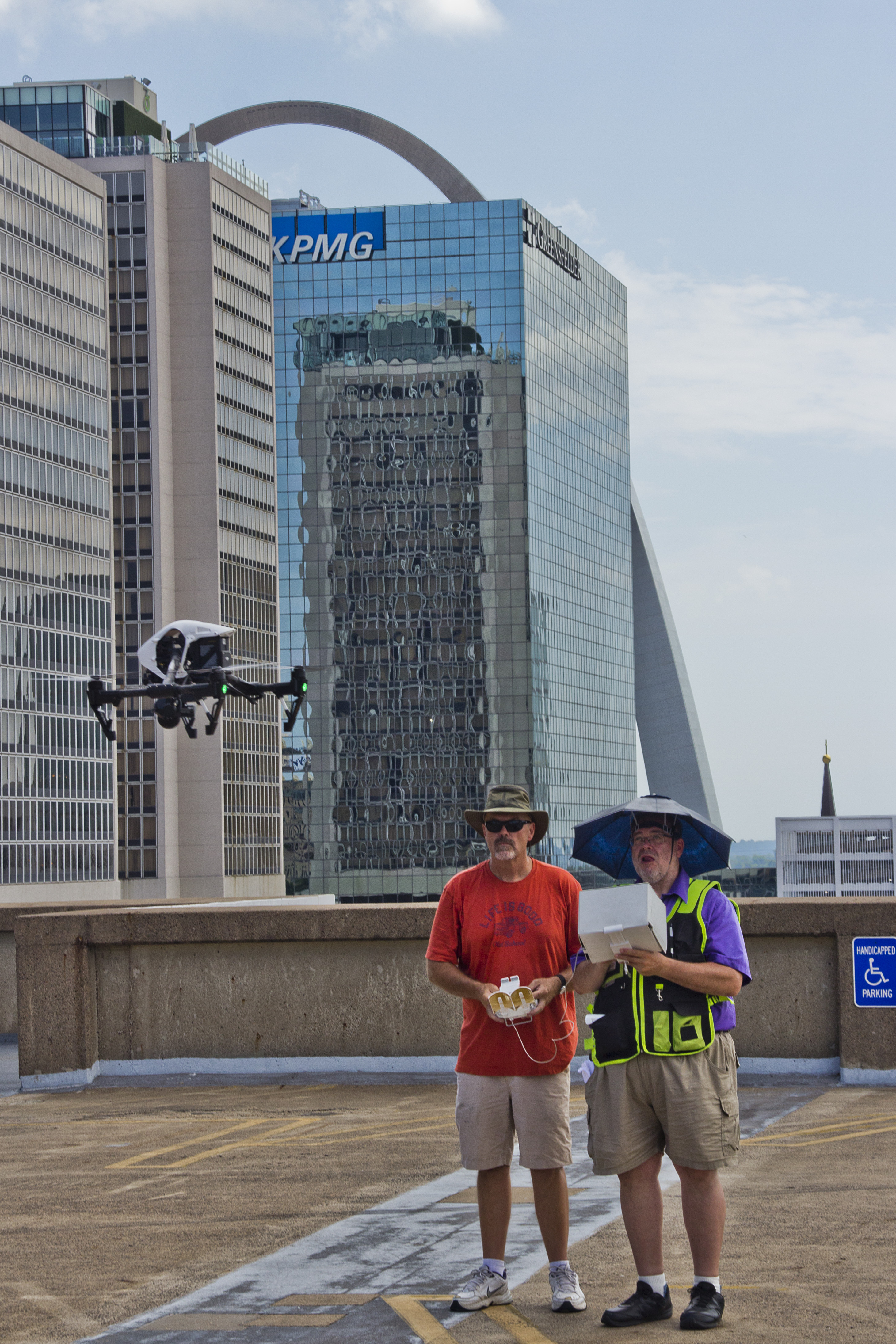
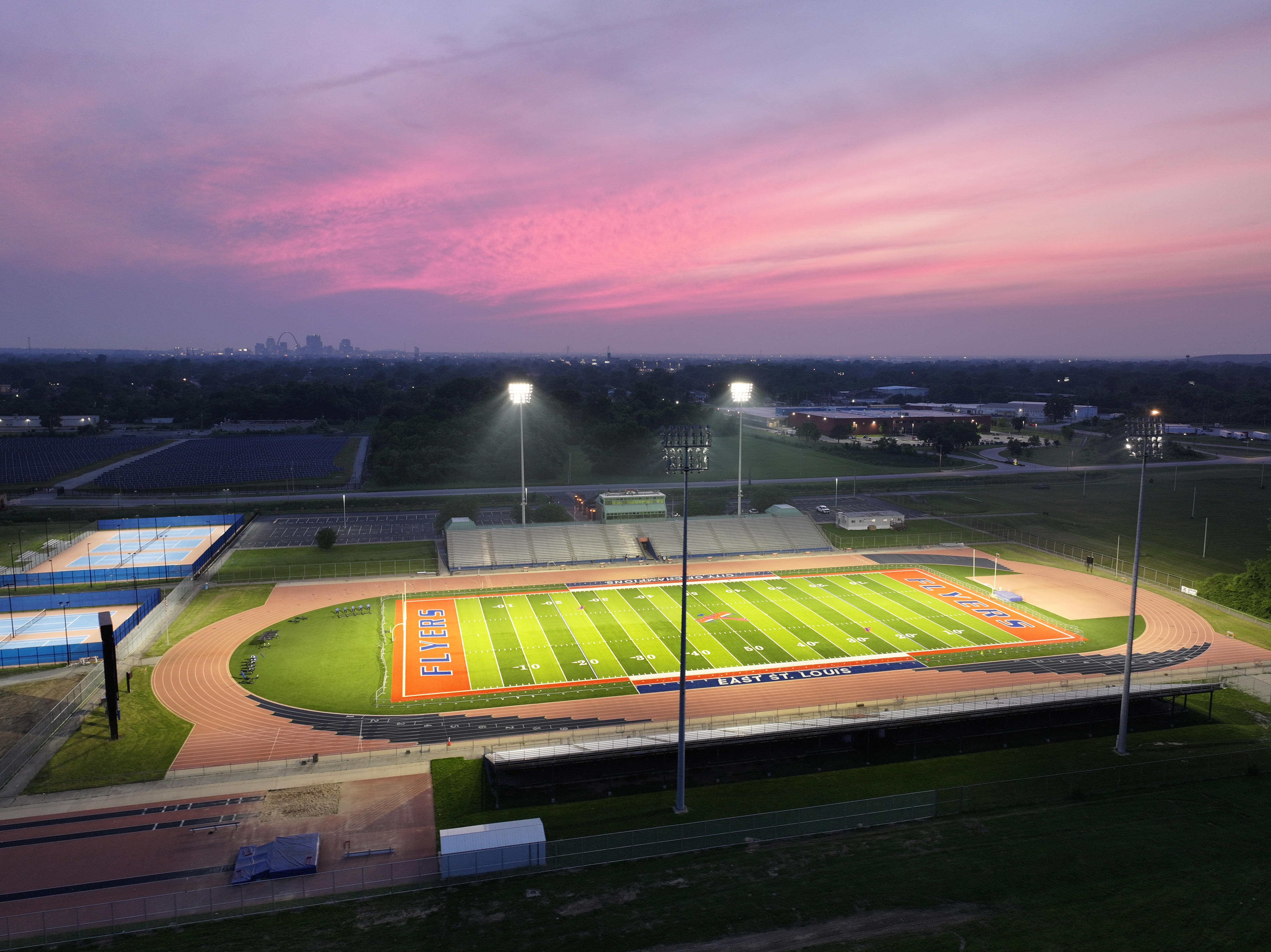
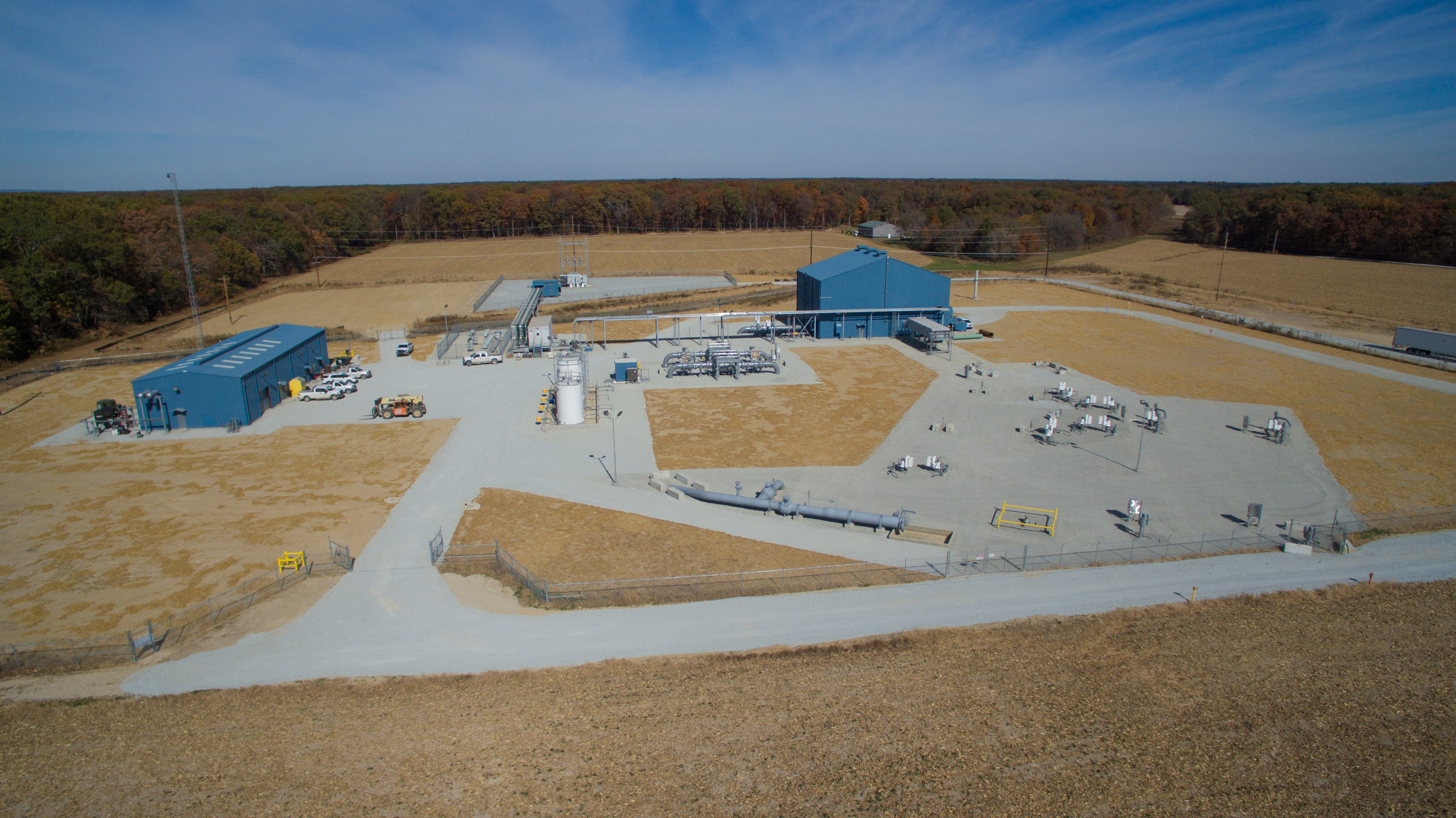
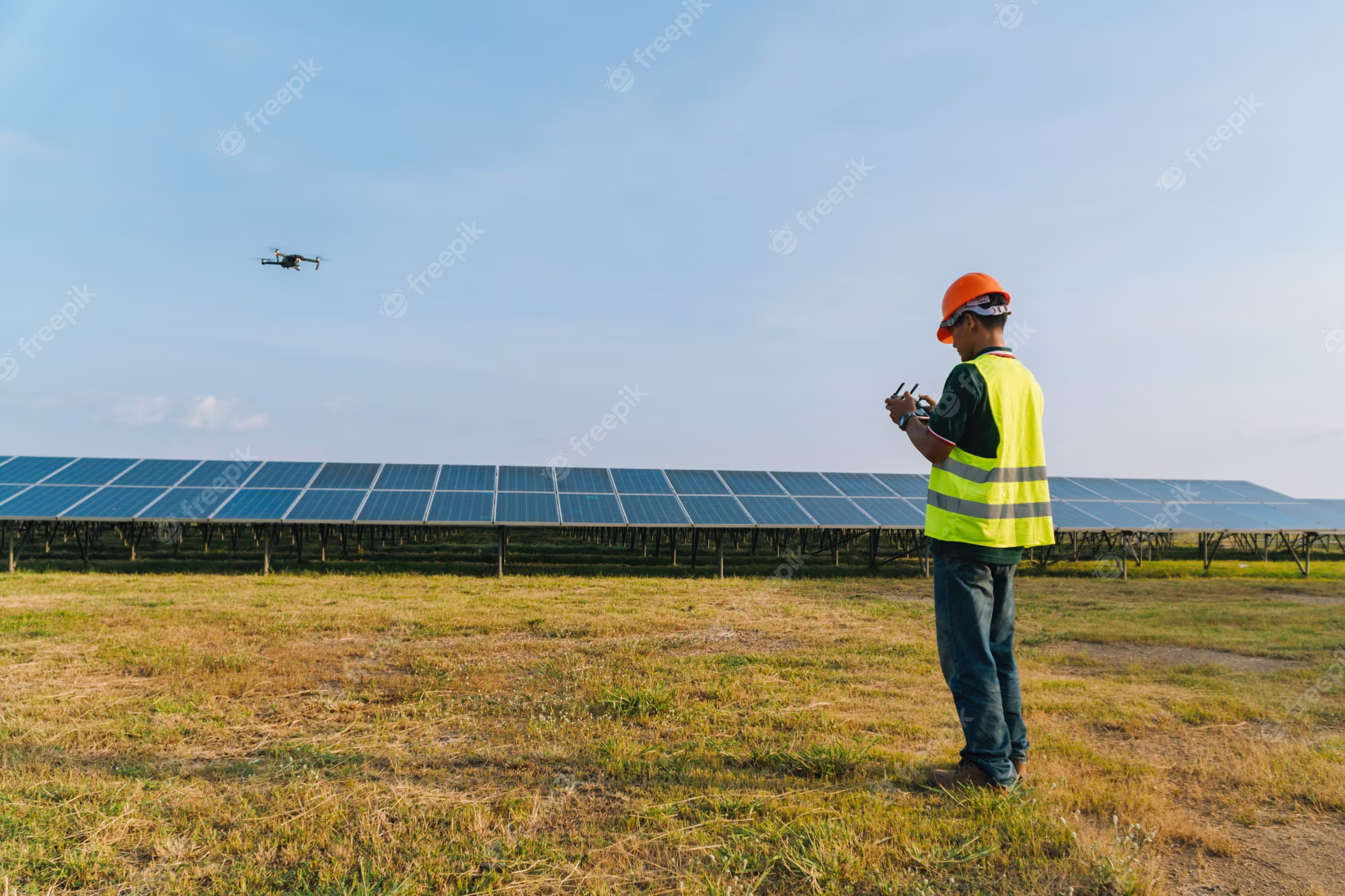
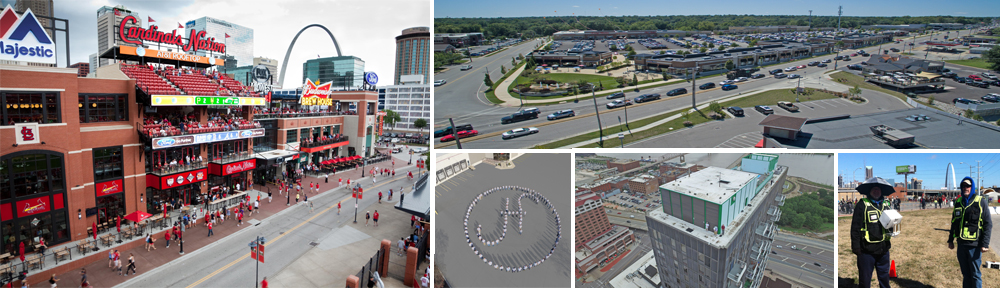
B-roll is the connective tissue of effective marketing video—those quick, high-impact visuals that set context, elevate perceived production value, and keep viewers watching. And in St. Louis, drone b-roll is often the fastest way to make a brand look bigger, more established, and more credible: a smooth reveal of a headquarters, a sweeping view of a jobsite, an overhead of a campus, a cinematic push-in on a venue, or a top-down of a warehouse operation.

But decision makers are right to ask the hard questions:

  • How do we get cinematic aerial b-roll without blowing the budget?
  • What actually drives cost—flight time, pre-pro, edits, permits, travel, revisions?
  • How do we avoid unusable footage, compliance headaches, and deliverables that don’t fit our marketing pipeline?

This article is a practical guide to getting economical, repeatable, high-quality drone b-roll that plugs directly into brand campaigns, websites, recruiting, proposals, social media, and sales enablement.


Why drone b-roll is one of the highest-ROI production upgrades

If your team is producing any of the following—brand videos, recruiting, testimonials, events, construction updates, real estate/commercial property, facility tours, or social campaigns—drone b-roll can deliver outsized value because it:

  • Creates instant context (where you are, what you do, scale of operations)
  • Improves credibility (polished visuals signal professionalism and stability)
  • Increases reusability (one aerial session can feed dozens of deliverables)
  • Boosts editing efficiency (b-roll hides jump cuts, bridges scenes, supports voiceover)
  • Upgrades your brand “look” quickly compared to building sets or renting locations

The key is to treat drone b-roll like a strategic asset library, not a one-off novelty shot.


What “economical” really means in drone b-roll production

Economical is not “cheap.” Economical means:

  1. Planned shots that you will actually use
  2. Efficient capture that minimizes setup, downtime, and reshoots
  3. Deliverables organized for your marketing workflow
  4. Compliance handled cleanly so the footage is publishable
  5. A visual style consistent with your brand

The fastest way to waste money is to “go get some drone footage” without a plan. The fastest way to save money is to capture the right shots once—then repurpose them across campaigns.


The b-roll brief: the single best cost-control tool

Before a drone ever takes off, you should have a short, decision-maker-friendly brief that answers:

  • Who is this for? (prospects, recruits, investors, internal stakeholders)
  • Where will it live? (homepage hero, YouTube, LinkedIn, paid ads, trade show, proposals)
  • What is the message? (scale, safety, craftsmanship, innovation, hospitality, trust)
  • What is the visual tone? (premium/cinematic, clean/corporate, energetic/social)
  • What are the non-negotiables? (logo signage, key buildings, people, equipment, time of day)

A good drone b-roll plan is not long. It’s simply specific.

Example: a practical “shot list” that stays economical

For many organizations, a single efficient session can capture:

  • Establishing: wide exterior, approach, orbit, overhead
  • Detail: signage, entrances, unique architecture, loading bays, fleet
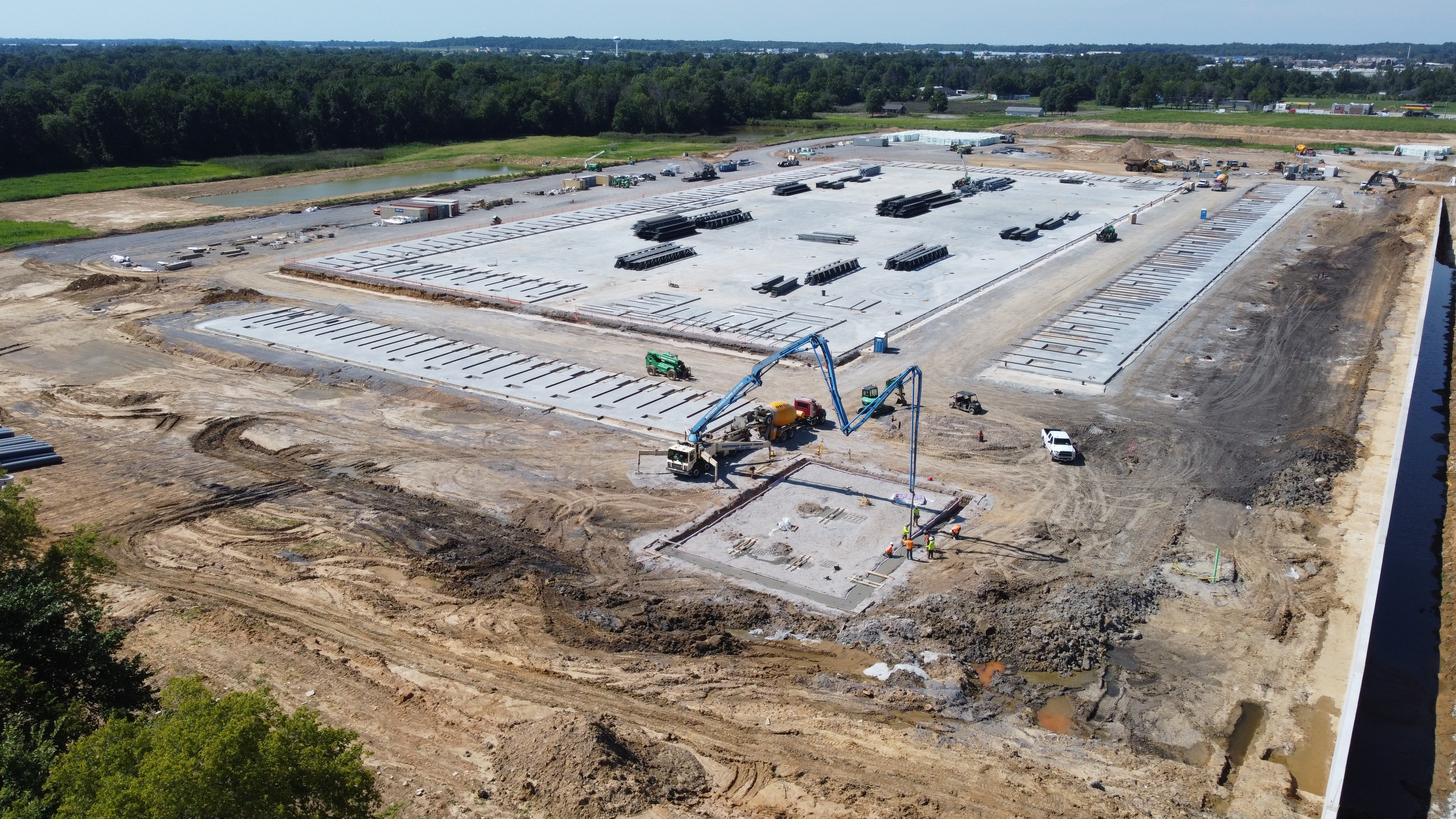
  • Operations: vehicles moving, cranes, equipment, foot traffic, workflow patterns
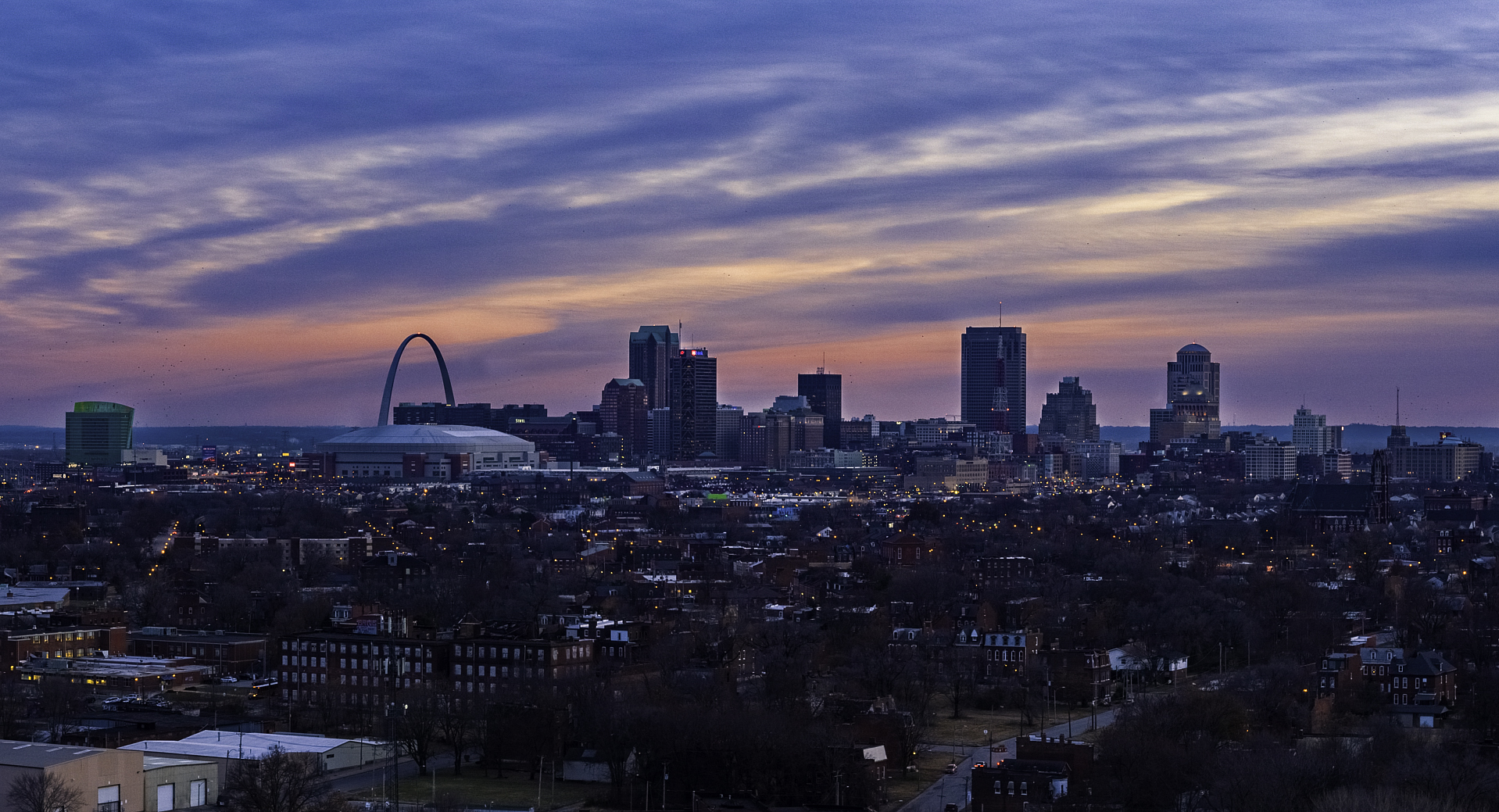
  • Environment: proximity to highways/landmarks, neighborhood context, campus layout
  • “Hero moments”: sunrise/sunset angles, dramatic reveals, seasonal looks
  • Safety/scale: top-down perspectives that communicate organization and capacity

When the list is intentional, the session stays tight—and the edit becomes faster.


Scheduling: time of day and weather are budget multipliers

Economical drone b-roll depends heavily on conditions. Two factors can make average footage look expensive (or expensive footage look average):

1) Light

  • Early morning / late afternoon creates dimension, contrast, and texture.
  • Midday sun is harsher—often workable, but less cinematic without additional planning.

2) Wind

  • Stable conditions yield smoother motion, cleaner framing, and fewer retakes.
  • High wind increases capture time and risk of unusable clips.

Smart scheduling reduces total time on site and increases usable footage—two direct drivers of cost.


Compliance and risk: the hidden cost center you don’t want to own

Decision makers usually don’t want to be in the business of drone regulations, permissions, or risk mitigation. They just want the footage to be lawful, safe, and publishable.

A professional drone b-roll workflow includes:

  • Licensed operations and flight planning
  • Location considerations (people, traffic, structures, restricted airspace)
  • Communication on-site (safety perimeter, coordination with operations teams)
  • A capture plan that avoids “we’ll fix it later” problems

Economical means fewer surprises, fewer delays, and no “we can’t use this footage” moment after the shoot.


Capture strategy: how to get more usable b-roll in less time

Experienced aerial production crews focus on usable variety. That means:

  • Multiple angles per key subject (wide, medium, detail)
  • Mix of motion types (reveal, lateral slide, push-in, rise, orbit, top-down)
  • Clean starts and stops for edit-friendly clips
  • Coverage continuity so editors can build sequences, not just isolated shots

This is where many “budget” drone shoots fail: they return with pretty clips that don’t cut together, don’t match brand tone, or don’t support messaging.

A controlled, repeatable approach produces an asset library your team can reuse for months.


Deliverables that make marketing easier, not harder

Economical drone b-roll isn’t only about the shoot—it’s about how the footage is delivered.

A professional deliverable package should be designed around your marketing stack and internal team:

  • Clearly organized folders and naming conventions
  • Versions for common uses (web, social, broadcast, vertical formats)
  • Footage that matches the rest of your campaign (color, style, frame rates)
  • Optional selects/reel for fast approvals

When the post workflow is efficient, your internal cost drops too—less time hunting for clips, less re-exporting, fewer re-edits.


AI and modern post: where it saves money and where it doesn’t

Used correctly, AI tools can help reduce cost and increase speed without compromising quality. Examples of smart AI-assisted efficiencies include:

  • Faster logging, transcription, and selects (when integrating interviews + b-roll)
  • Noise reduction and audio cleanup for mixed productions
  • Captioning and versioning for social deliverables
  • Asset tagging and searchability for large footage libraries
  • Streamlined resizing and reframing for vertical content

What AI does not replace is capture fundamentals: strong composition, stable motion, correct exposure, and intentional shot design. Economical outcomes come from getting the capture right—then using AI to accelerate the finishing and repurposing.


How to build a “b-roll bank” for ongoing savings

If you create content regularly, the best economics come from building a repeatable “bank” of aerial visuals that support multiple campaigns.

A practical approach:

  • Schedule drone b-roll capture quarterly or seasonally
  • Update visuals after major facility changes, new signage, renovations, or fleet updates
  • Capture during key operational moments (busy periods, events, milestones)
  • Maintain a consistent brand look so new footage integrates with old

This turns drone b-roll into a compounding asset—each shoot reduces the need for future shoots and improves campaign agility.


Common pitfalls that inflate costs (and how to avoid them)

  1. No plan, no shot list → results in extra time and low usable yield
  2. Ignoring light and wind → footage looks flat or unstable
  3. Unclear deliverables → post-production churn and revision loops
  4. Not coordinating with site operations → delays, safety issues, missed moments
  5. Capturing “cool shots” instead of “marketing shots” → footage doesn’t serve objectives

Economical drone b-roll is a discipline: plan, capture efficiently, deliver cleanly.


Why St Louis Aerial Photographers for economical St. Louis b-roll

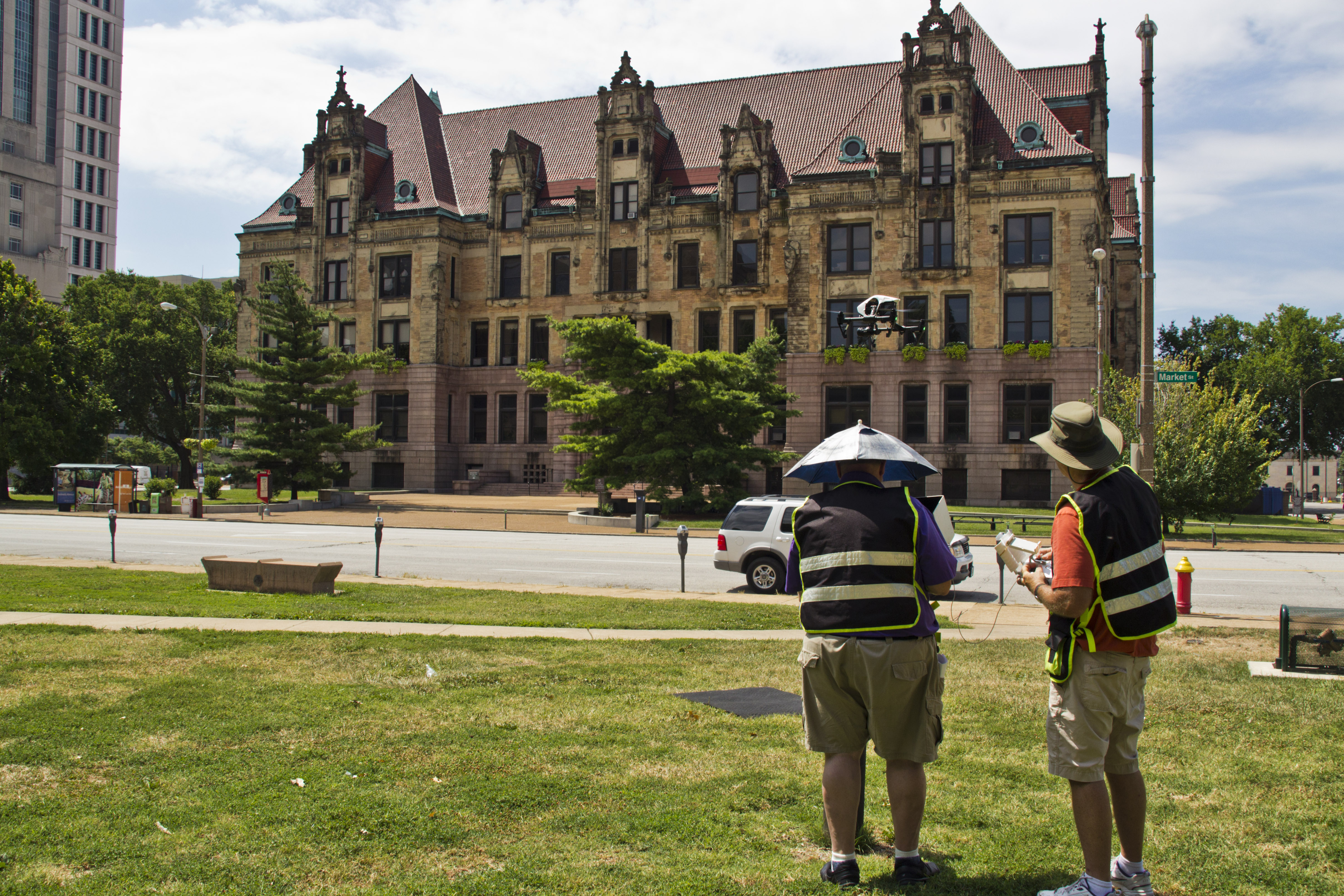
At the end of the day, you’re not hiring a drone—you’re hiring a production partner who can reliably deliver usable, on-brand, compliant aerial b-roll that drops into your marketing pipeline.

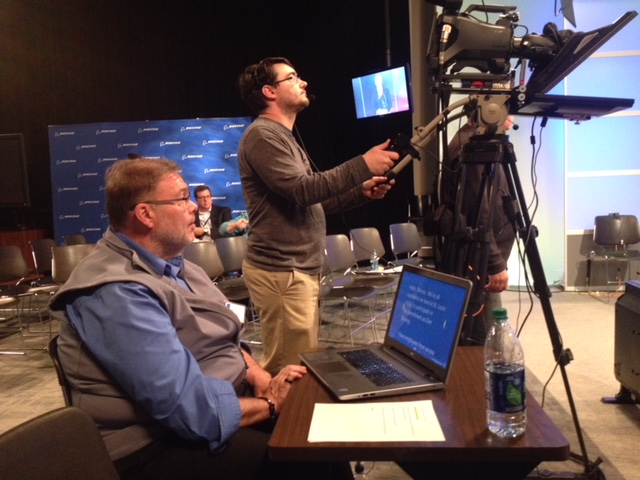
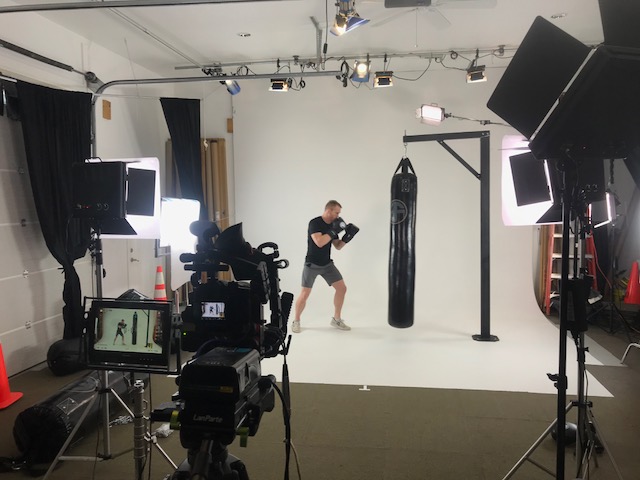
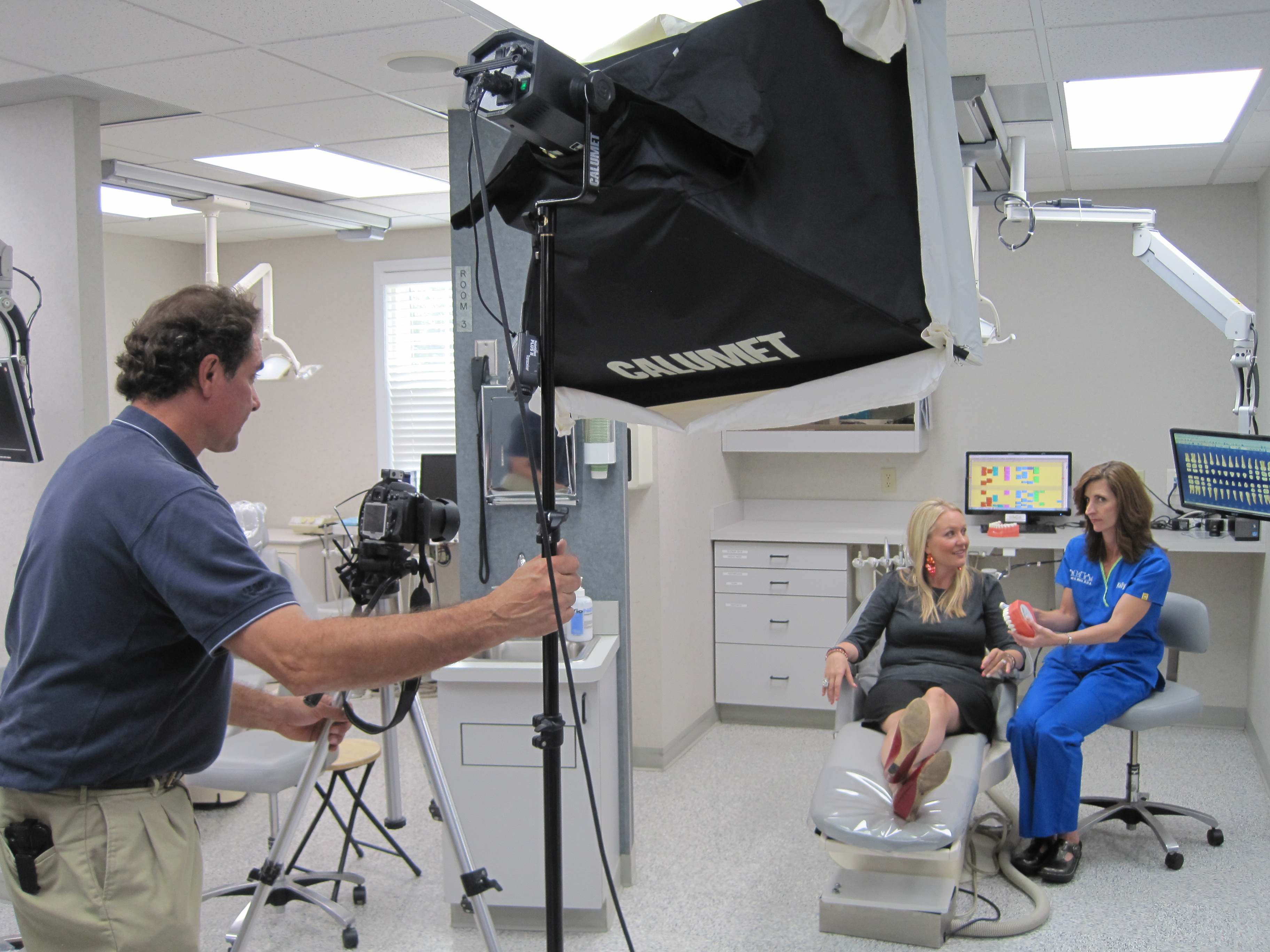
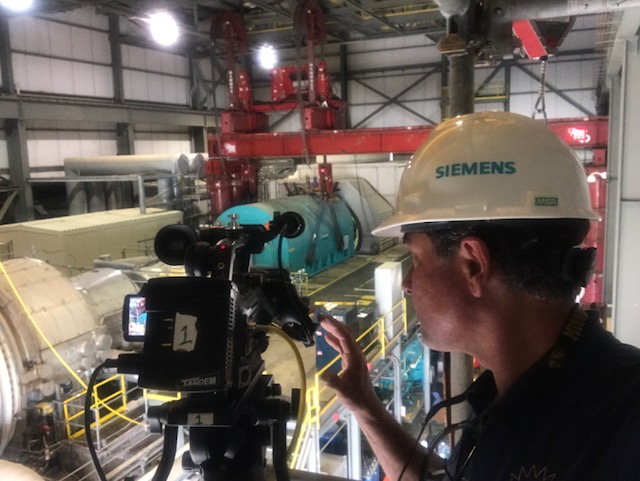
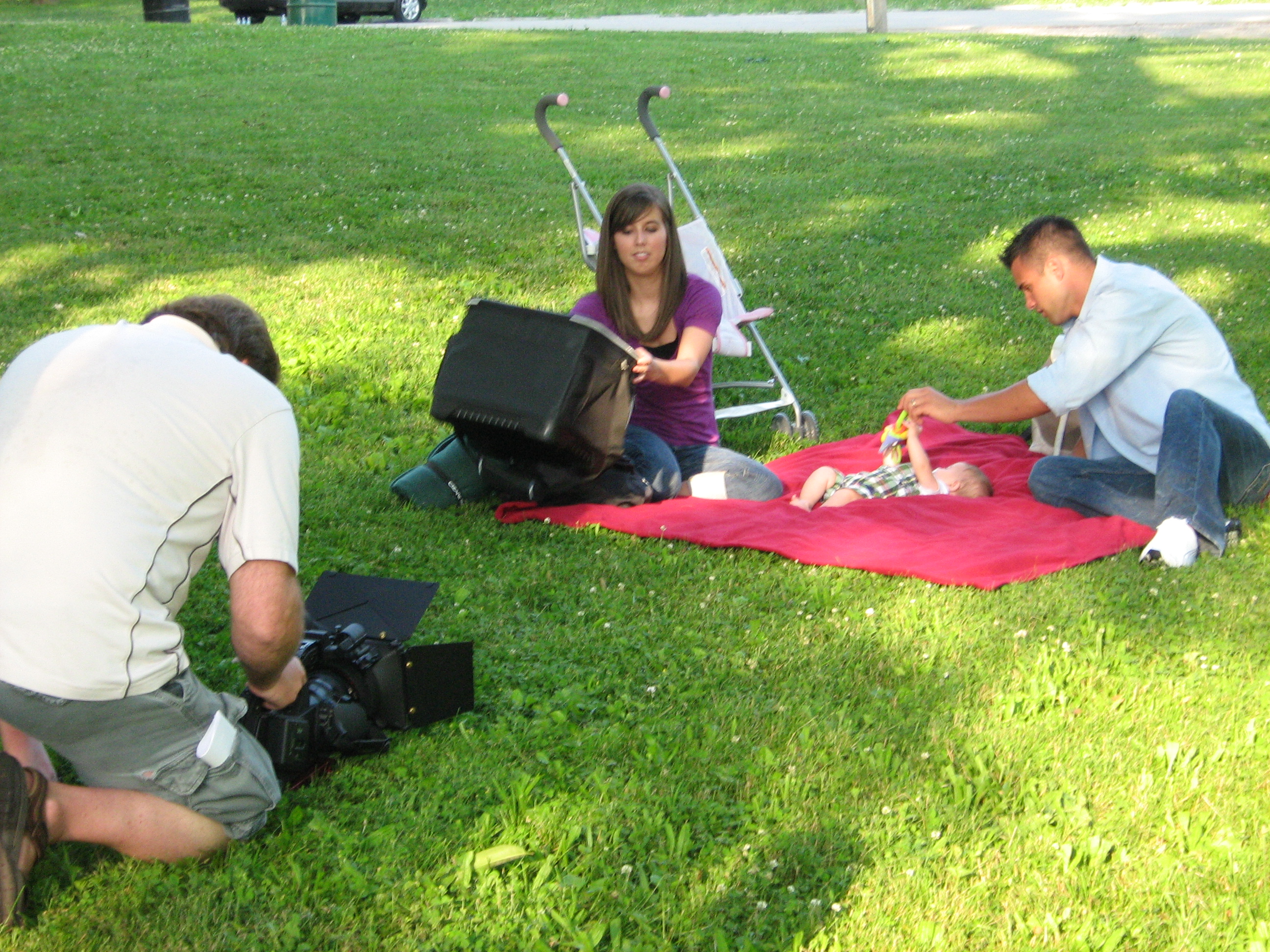
As a full-service video and photography production corporation since 1982, St Louis Aerial Photographers is a full-service professional commercial photography and video production company with the right equipment and creative crew service experience for successful image acquisition. We offer full-service studio and location video and photography, as well as editing, post-production, and licensed drone services. St Louis Aerial Photographers can customize your productions for diverse types of media requirements. Repurposing your photography and video branding to gain more traction is another specialty.

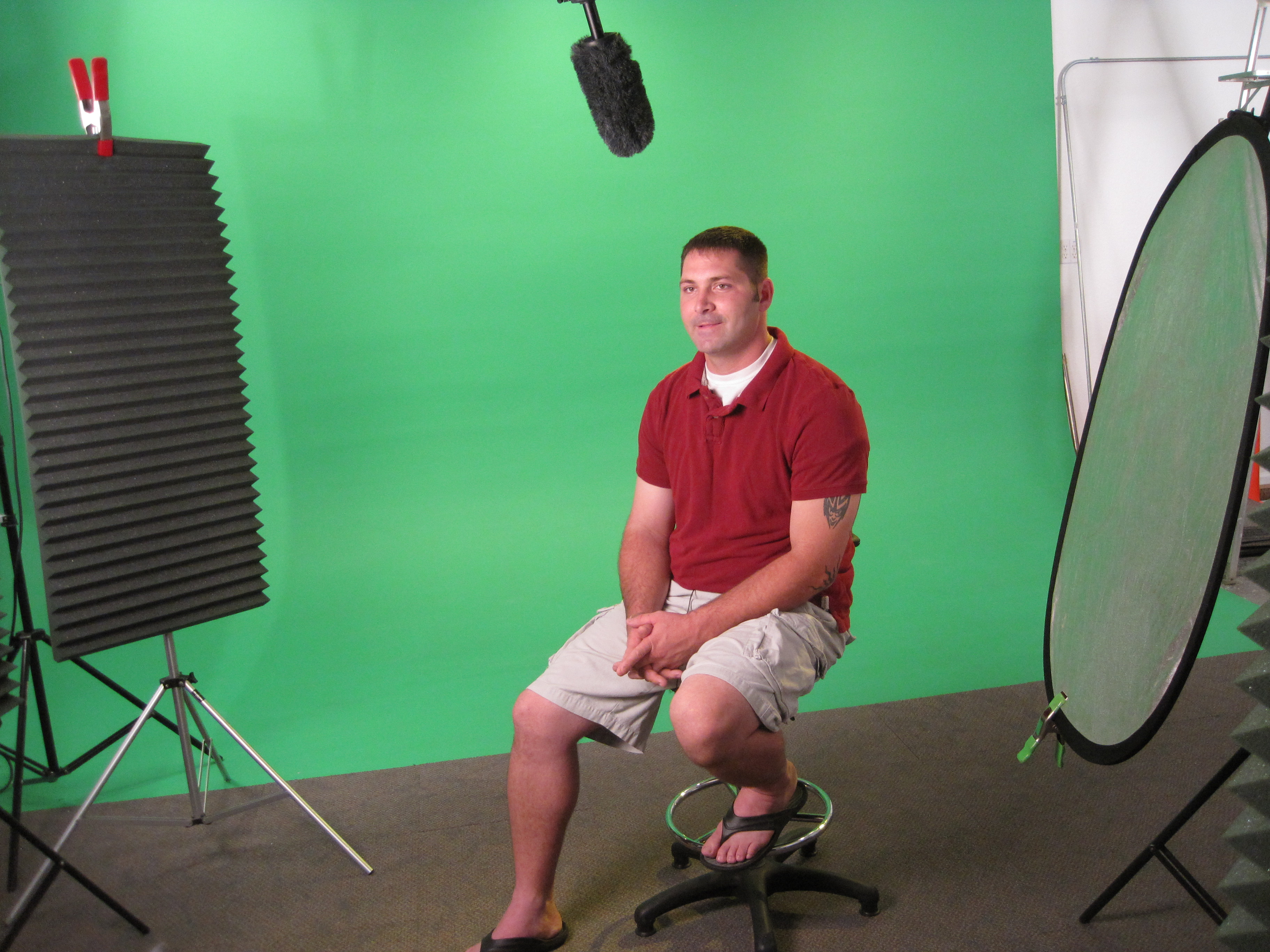
We are well-versed in all file types and styles of media and accompanying software, and we use the latest in Artificial Intelligence for all our media services. Our private studio lighting and visual setup is perfect for small productions and interview scenes, and our studio is large enough to incorporate props to round out your set. We support every aspect of your production—from setting up a private, custom interview studio to supplying professional sound and camera operators, as well as providing the right equipment—ensuring your next video production is seamless and successful. We can fly our specialized drones indoors.
If your goal is economical drone b-roll that still looks premium, the formula is simple: intentional planning, efficient capture, experienced post, and deliverables built for marketing. That’s exactly how we work.

314-604-6544

stlouisaerialphotography@gmail.com

Thermal Imaging Improves Stockpile Reporting and Roof Leak Detection

Decision makers don’t buy drone services because drones are interesting. They buy them because drones solve expensive problems faster, safer, and with better documentation than traditional methods.

Two of the most common “quiet budget leaks” in commercial and industrial operations are:

  1. Uncertain stockpile quantities (inventory accuracy, shrink, vendor disputes, production planning)
  2. Hard-to-pinpoint roof moisture and leakage (reactive repairs, interior damage, warranty disputes, wasted contractor hours)

Thermal-capable drones address both—when deployed correctly. This article breaks down what thermal drones actually measure, where they create measurable business value, what conditions must be present for reliable results, and what a professional deliverable should look like for both stockpile reporting and roof diagnostics.


What Thermal Drones Measure (and What They Don’t)

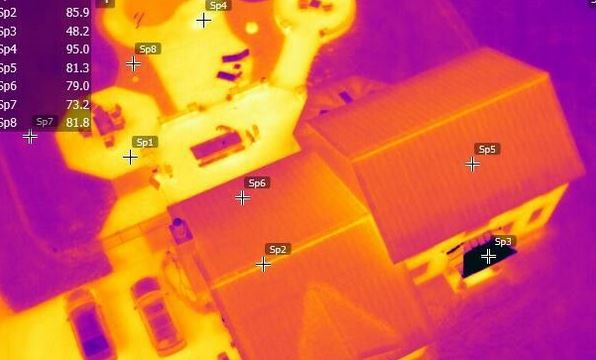
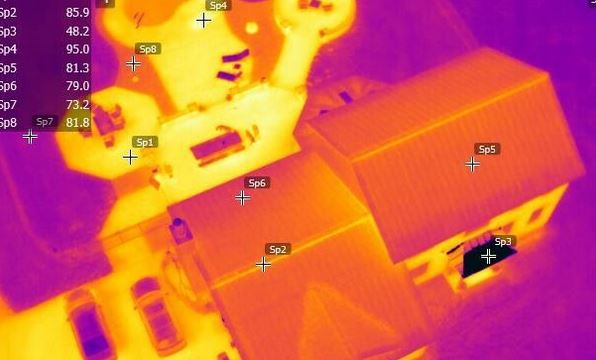
Thermal cameras don’t “see water.” They measure infrared radiation and translate it into a surface temperature map.

That temperature map can reveal patterns that correlate strongly with:

  • Moisture retention (wet materials often heat/cool differently than dry materials)
  • Thermal bridging and insulation voids
  • Air leakage pathways
  • Heat loss
  • Subsurface anomalies that create temperature differences on the surface

But thermal work is not magic. Reliable interpretation depends on:

  • Environmental conditions (sun, wind, ambient temp)
  • Timing (day vs night, post-sunload, post-rain)
  • Material properties (emissivity, reflectivity, density, moisture content)
  • Proper calibration and workflow (radiometric capture, consistent settings, QA checks)

Thermal drones provide strong evidence—but your process has to be designed so the evidence is meaningful.


Part 1: Thermal Drones and Stockpile Reporting—Where “Accurate” Gets More Complicated

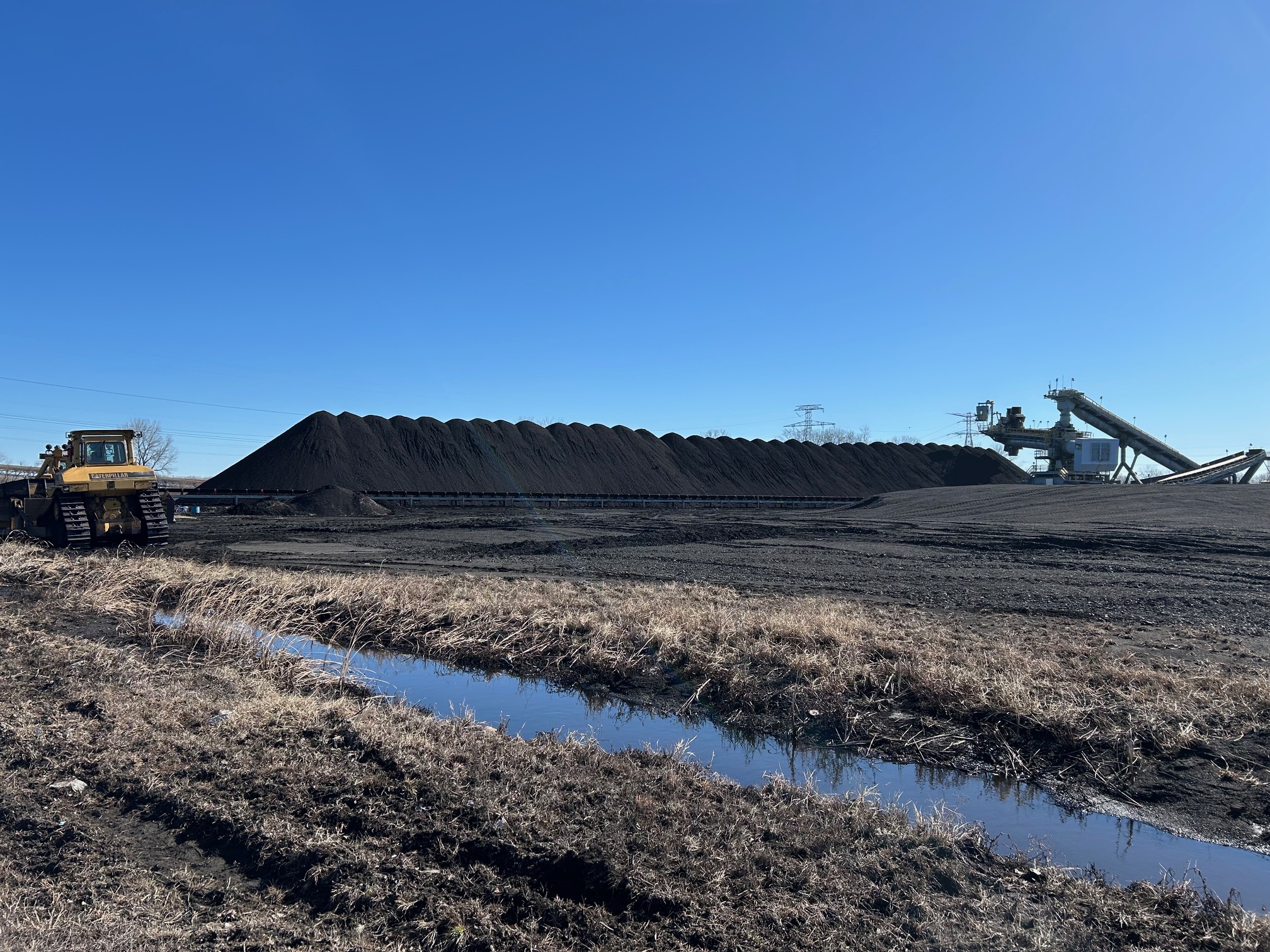
Stockpile reporting is usually framed as a geometry problem: “How much volume is there?” But volume is only half the story. In many real-world operations, the pain comes from inconsistencies like:

  • Wet material vs dry material (affects weight conversion assumptions)
  • Mixed materials in one yard
  • Frozen crust or compacted layers
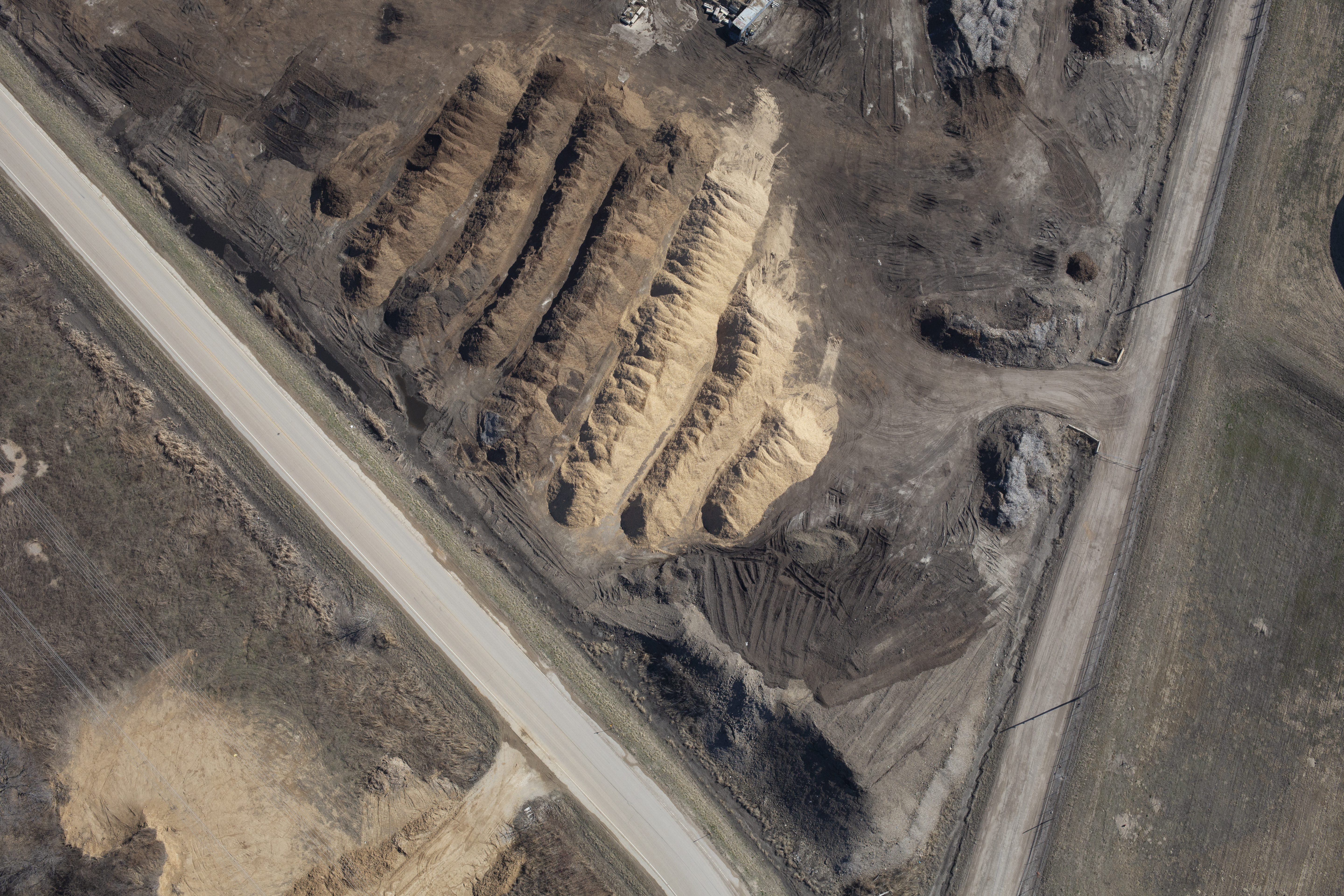
  • Hot spots or combustion risk (coal, mulch, compost)
  • Shrink and loss that can’t be explained confidently

Where Thermal Adds Value to Stockpile Work

Thermal imaging can enhance stockpile reporting by adding a condition layer to your measurement workflow:

1) Identifying moisture variation zones

Moisture changes how material behaves operationally and how it converts from volume to tonnage. Thermal can help flag:

  • areas that retain moisture longer
  • runoff patterns
  • pooling near berms and containment areas

That matters when:

  • you’re converting volume to weight using assumed densities
  • you’re troubleshooting variability in product performance
  • you’re trying to explain “why this month’s numbers don’t reconcile”

2) Detecting heat anomalies (safety + risk management)

Some materials can self-heat or develop hot spots (notably organic bulk piles like mulch/compost, and certain coal or waste environments). A thermal survey can identify abnormal heat patterns early, supporting:

  • safety protocols
  • remediation planning
  • documentation for internal reporting

3) Creating clearer documentation for disputes

When disagreements happen—vendor, customer, internal—thermal imagery adds context. It can show that “this is not the same pile condition as last time,” or that parts of the yard were affected by weather exposure differently.

Important Reality Check: Thermal Does Not Replace Volume Measurement

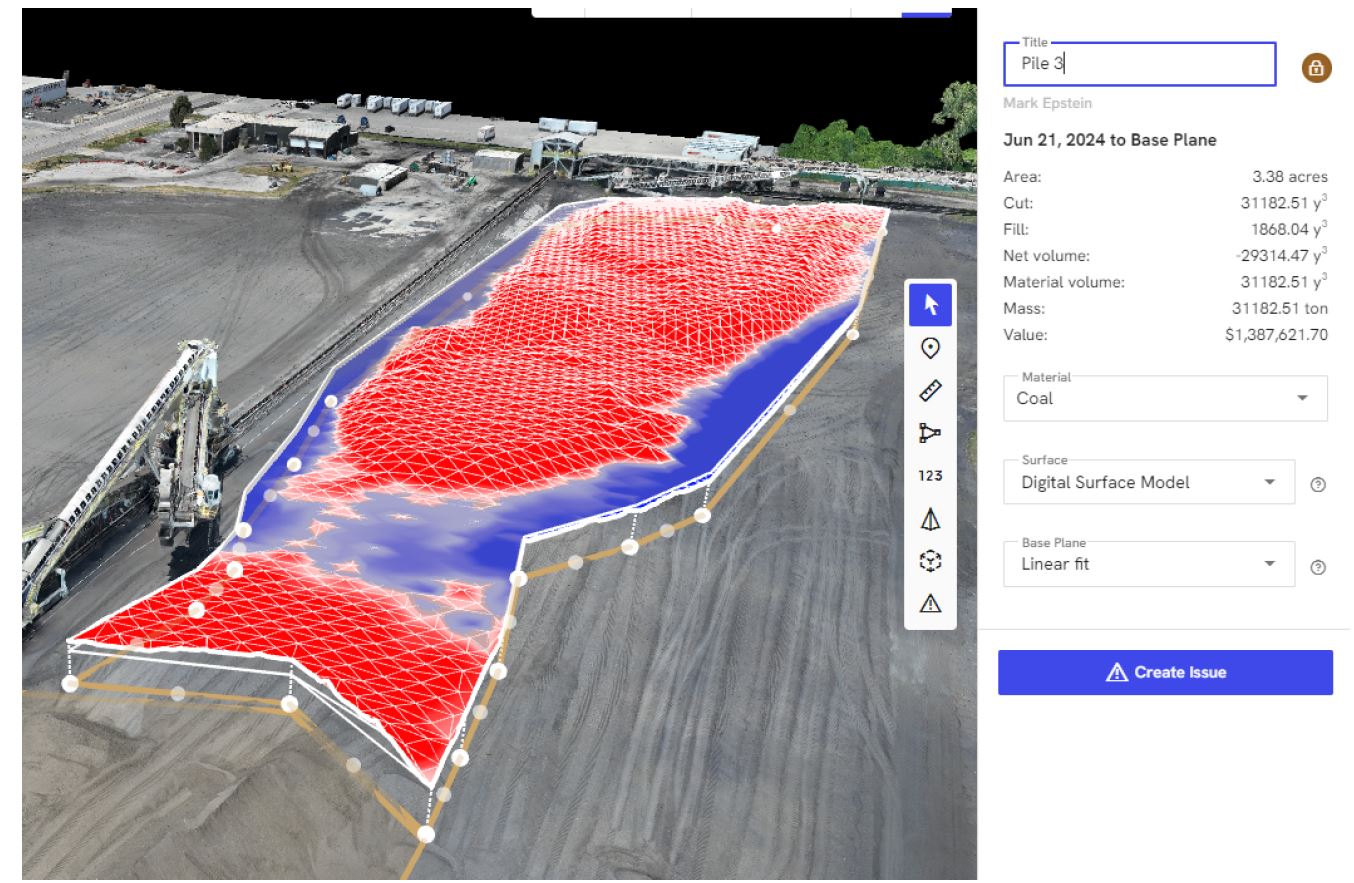
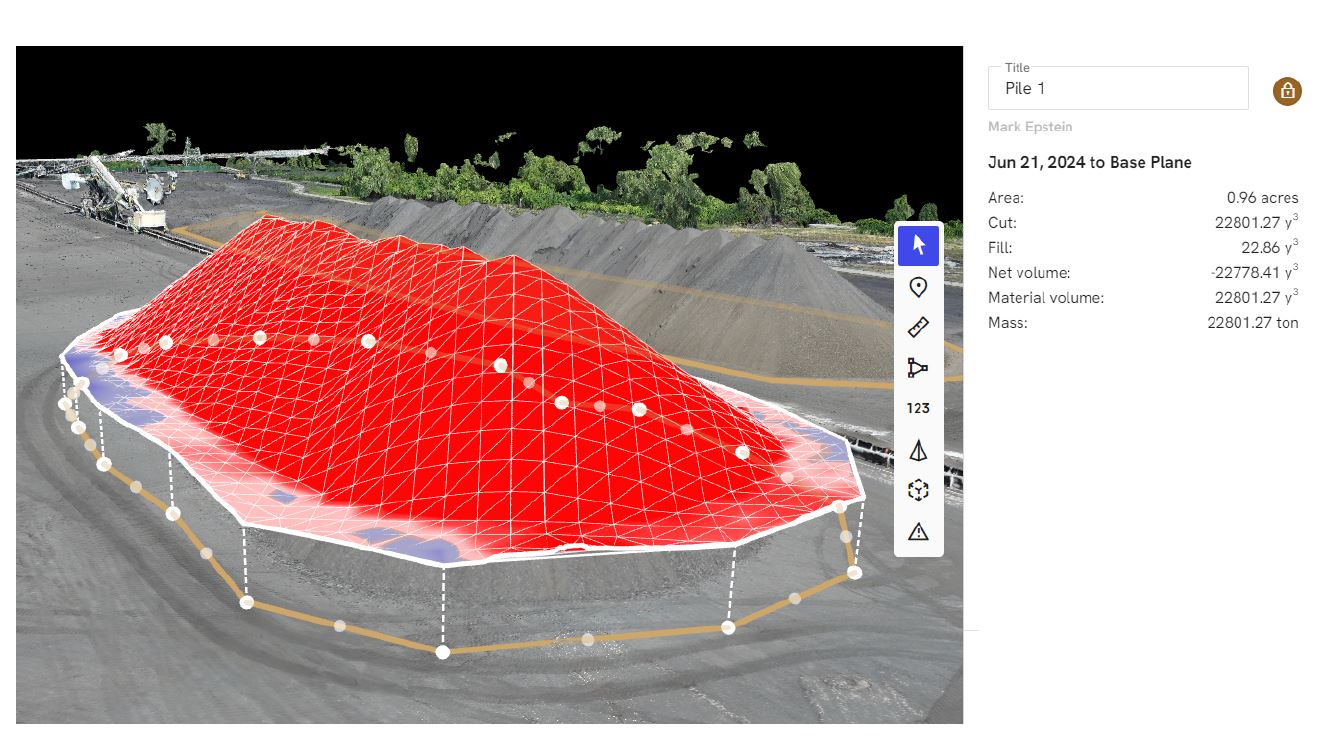
Thermal is not your volume measurement tool. For stockpile quantities, your best accuracy usually comes from:

  • LiDAR (best for complex environments and repeatability)
  • Photogrammetry (excellent in the right conditions)
  • Solid georeferencing and repeatable base-surface rules

Thermal strengthens the interpretation layer: moisture, heat, condition, risk.


Part 2: Thermal Drones and Roof Leakage—From “Somewhere Over There” to Actionable Targets

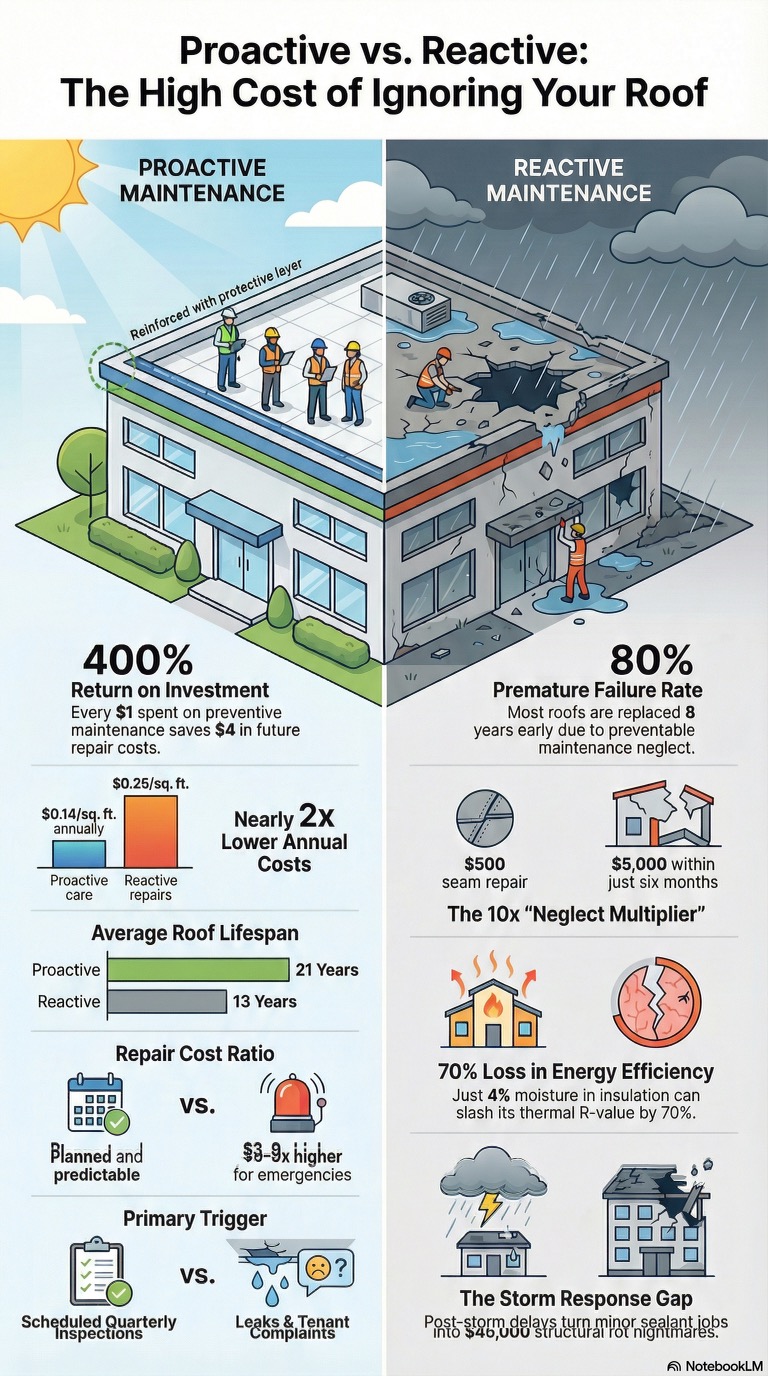
Commercial roofs can fail slowly and invisibly. The most expensive roof leaks aren’t always the dramatic ones—they’re the slow moisture intrusions that:

  • saturate insulation
  • reduce R-value
  • spread laterally under membranes
  • create mold risk
  • damage tenant spaces
  • turn minor repairs into major replacements

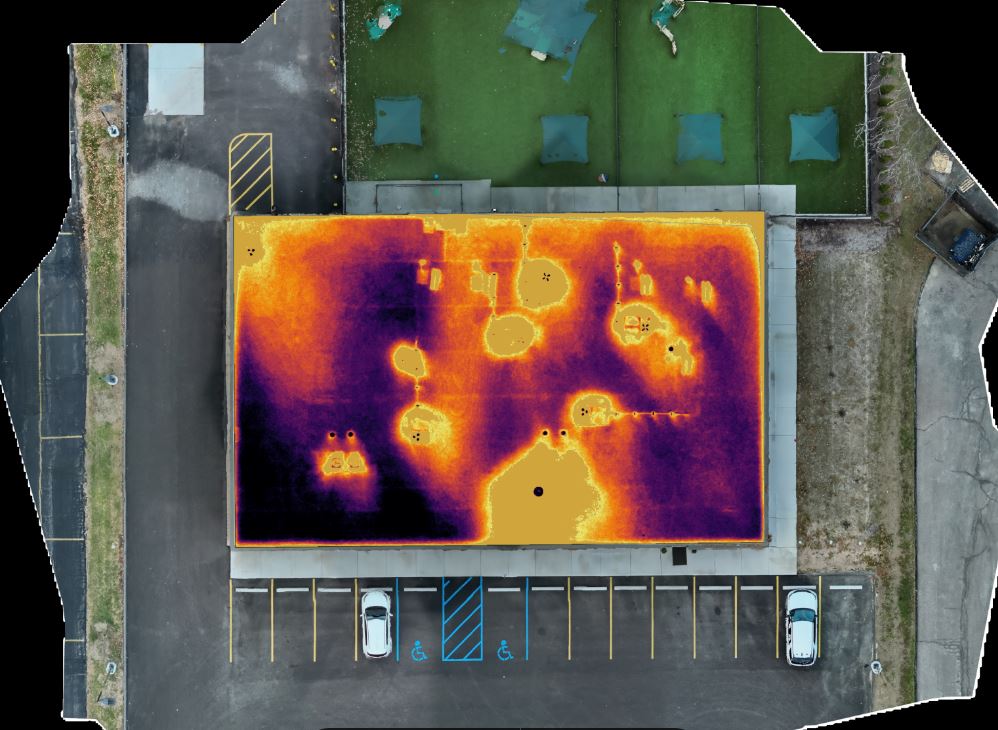
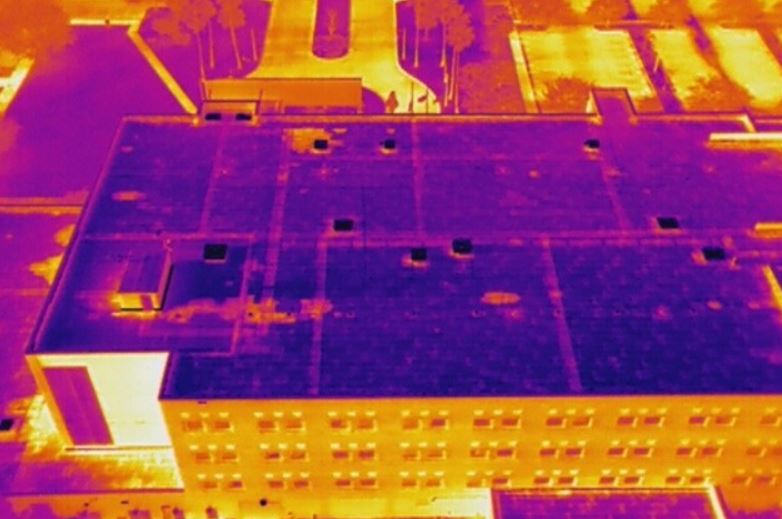
Thermal drone inspections can accelerate leak investigation by highlighting areas where wet insulation behaves differently than dry insulation—especially when your timing and conditions are correct.

How Thermal Finds Likely Moisture Intrusion Areas

A common approach is to capture thermal when there’s a meaningful temperature differential between wet and dry areas.

Often (but not always), that’s:

  • after solar loading (late afternoon into evening), as wet areas hold heat longer
  • or pre-dawn in some climates, depending on roof type and conditions

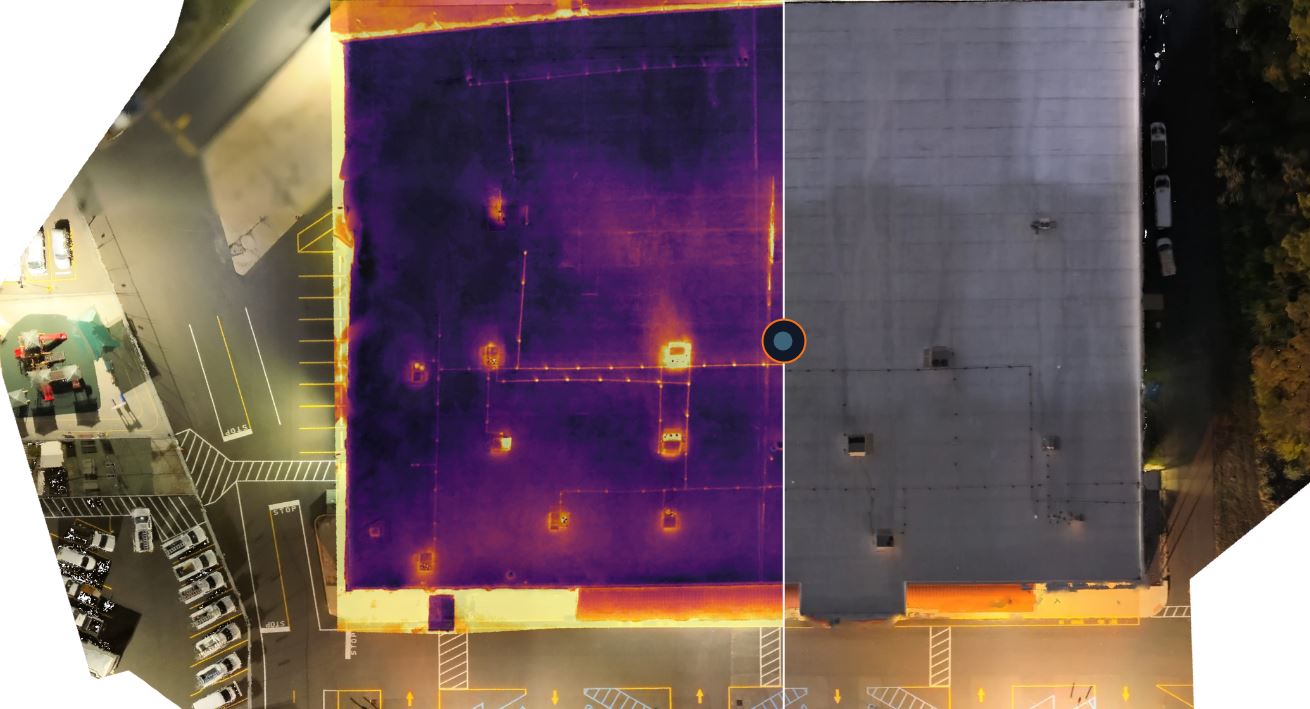
When the roof has been heated by the sun, wet insulation may cool more slowly. That difference can show up as thermal anomalies, giving contractors a prioritized map of “start here.”

What Thermal Drone Roof Inspections Do Best

Thermal drone work is especially valuable for:

  • Large, flat commercial roofs where walking the entire surface is slow and costly
  • Facilities where access is limited or safety concerns exist
  • Pre-repair targeting to reduce destructive test cuts
  • Documentation for warranty conversations and maintenance planning
  • Baseline scans to track change over time after repairs

Conditions That Make or Break Accuracy

Roof thermal results depend heavily on environmental and operational variables:

  • Wind can flatten thermal contrast
  • Rain timing matters (wet surface vs wet insulation are not the same)
  • HVAC exhausts, vents, and equipment create expected hot/cold zones
  • Reflective membranes can complicate interpretation
  • Shaded areas behave differently than sun-exposed areas

A professional provider doesn’t just hand over colorful images. They annotate likely moisture areas, flag confounding factors, and provide a plan view that contractors can actually use.


What a Decision Maker Should Demand in Deliverables

Whether you’re measuring stockpile conditions or roof anomalies, insist on deliverables that work for real stakeholders:

For roof diagnostics:

  • A roof plan view with annotated anomalies
  • Visible + thermal paired images (same viewpoint when possible)
  • Notes on environmental conditions and timing
  • A clear “limitations” section (vents, HVAC, shade zones, reflective surfaces)
  • Optional: orthomosaic overlays for facility management records

For stockpile documentation:

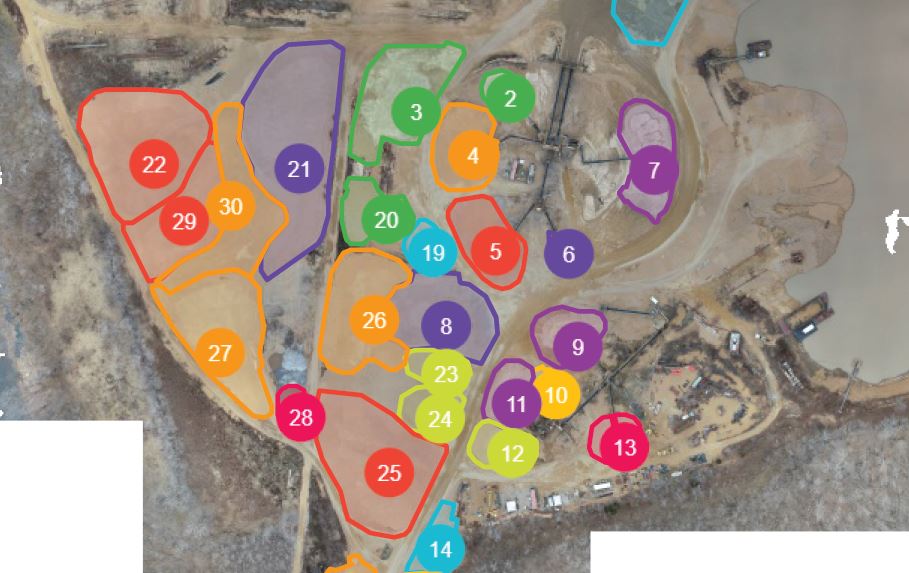
  • Site map with labeled areas (piles, zones, traffic patterns)
  • Thermal maps showing moisture/heat zones of interest
  • If paired with volume work: consistent pile boundaries and date-stamped reports
  • Export formats your team can use (PDF for leadership, images for contractors, spreadsheets for records)

A Smart Strategy: Combine Sensors for “Measurement + Meaning”

For many organizations, the best approach is not choosing one sensor. It’s combining them:

  • LiDAR/photogrammetry for accurate volume and change tracking
  • Thermal for moisture/heat context and risk insight
  • High-resolution visual imagery for documentation, marketing, and stakeholder communication

That combination produces something decision makers love: fewer surprises, cleaner reporting, and stronger documentation when questions arise.


Why St. Louis Aerial Photography Is Built for Industrial Accuracy and Marketing-Grade Content

At St. Louis Aerial Photography, we don’t treat thermal drone work as a novelty. We treat it as part of a professional production and reporting pipeline—designed to produce actionable results for operations, facilities, and leadership.

We are a full-service professional commercial photography and video production company with the right equipment and creative crew service experience for successful image acquisition. We offer full-service studio and location video and photography, along with editing and post-production, supported by licensed drone professionals. St. Louis Aerial Photography can customize your productions for diverse media requirements, and repurposing your photography and video branding to gain more traction is one of our specialties.

We’re well-versed in all file types, media styles, and the software ecosystems businesses and agencies rely on. We also use the latest Artificial Intelligence across our media services—supporting faster turnarounds, smarter workflows, and consistent deliverables.

Our private studio lighting and visual setup is ideal for small productions and interview scenes, and our studio is large enough to incorporate props to round out your set. We support every aspect of your production—from building a private, custom interview studio to supplying professional sound and camera operators, and providing the right equipment—ensuring your next video production is seamless and successful. And when conditions require it, we can fly specialized drones indoors.

As a full-service video and photography production corporation since 1982, St. Louis Aerial Photography has worked with many businesses, marketing firms, and creative agencies across the St. Louis area—delivering the kind of reliable capture, documentation, and storytelling that decision makers depend on.

If you want stockpile reporting with better context, roof leak targeting that reduces wasted repair time, and visuals that elevate your brand at the same time, thermal drones can deliver—and we can execute the entire process end-to-end.

314-604-6544

stlouisaerialphotography@gmail.com

Save Time on Building Checks with Infrared Drones: Faster Answers for Facilities, Faster Content for Marketing

Building checks are notorious for consuming time without producing clarity. Someone reports a hot/cold spot. A leak appears on a ceiling tile. Energy bills spike. A rooftop unit “sounds fine” until it isn’t. Then the scramble begins—walkthroughs, lifts, access panels, contractor visits, and email chains that still end with: Where exactly is the problem?

Infrared (thermal) drone imaging is one of the most efficient ways to turn those vague symptoms into a prioritized, visual to-do list—especially when you reminded yourself that the goal isn’t just “inspection,” it’s decision-making. For property teams, it can compress days of checks into a single planned capture window. For marketing teams, it can generate credible, high-value visuals that explain your preventative approach without relying on stock imagery or generic claims.

Here’s how to use infrared drones to accelerate building checks, reduce disruption, and get deliverables that both facilities and marketing can use.


What infrared drones “see” during building checks

Infrared cameras don’t magically see through walls. They measure infrared radiation emitted from surfaces and translate it into a map of apparent temperature differences. Those differences often correlate with real issues:

  • heat escaping through missing insulation or thermal bridges
  • air leakage around penetrations, roof-to-wall transitions, and openings
  • trapped moisture in roof insulation or wet building materials (often presenting as thermal anomalies)
  • overheating components on rooftop equipment or electrical assets (in the right conditions)
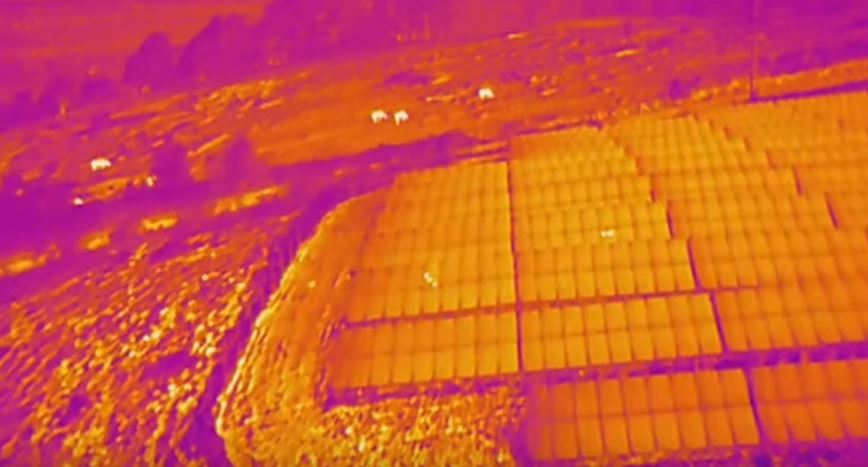
  • solar panel “hot spots” that can indicate faults or underperformance

A good thermal workflow is less about “cool-looking images” and more about pattern recognition + context: pairing thermal with high-resolution visible images, flight notes, and the right environmental window.


Why thermal drones save time compared to traditional building checks

1) Whole-asset coverage without the setup overhead

Traditional checks often start with access—ladders, lifts, roof hatches, escorts, safety plans for elevated work, and time-blocks that involve multiple people. A planned drone thermal survey covers large roof areas and façades quickly, reducing the amount of time staff spends staging access.

2) You stop “searching” and start “targeting”

The biggest time leak in maintenance is troubleshooting without a map. Thermal provides a map—so instead of probing everywhere, you focus on suspect zones first. That means fewer exploratory cut tests, fewer repetitive contractor visits, and faster triage.

3) You reduce tenant and operations disruption

A thermal drone capture can be designed to minimize interference with business operations. You can gather diagnostic visuals without setting up equipment inside occupied spaces, without pulling ceiling tiles across multiple areas, and without long on-site downtime.

4) You create a baseline that makes future checks faster

Once you have a baseline thermal profile, follow-up checks become comparison exercises:

  • “Did that roof repair actually change the thermal pattern?”
  • “Are these anomalies growing or stable?”
  • “Are we seeing new leak pathways after the last storm?”

A repeatable baseline turns building checks from reactive to planned.


The most practical building-check applications

Roof screening for moisture and insulation issues

Low-slope roofs are common failure points, and they’re expensive when problems spread. Thermal drone checks can help highlight areas that warrant verification—not necessarily “diagnose” with certainty, but efficiently point you to where deeper testing makes sense.

What you can get:

  • suspect zones to validate with core cuts or moisture meters
  • documentation for repair scope discussions
  • post-repair visual comparison

Time saved: fewer “guess-and-open” tests and fewer broad, blanket repair assumptions.


Building envelope heat-loss checks

For older buildings, newly renovated spaces, or sites with comfort complaints, thermal can reveal:

  • missing or settled insulation zones
  • thermal bridging patterns
  • air leakage around penetrations and transitions
  • abnormal temperature gradients that flag envelope weaknesses

Time saved: fewer trial-and-error HVAC adjustments when the problem is actually the envelope.


Rooftop HVAC and mechanical checks

Thermal imaging can help screen rooftop equipment areas for abnormal heating patterns that may correlate with stress or inefficiency. The best results come from planned captures and paired visible imaging so teams can identify the exact unit/component in context.

Time saved: quicker prioritization of which units deserve service first—especially across multi-building portfolios.


Solar array checks for performance screening

Thermal imaging can flag “hot” modules/cells that may indicate faults or underperformance. Combined with a simple zone map, this allows your service team to target the right strings or modules.

Time saved: faster troubleshooting compared to hunting down intermittent production issues without visual evidence.


What makes thermal drone building checks succeed

Timing is not optional—it’s the method

Thermal contrast depends on environmental conditions. Wind, recent rain, solar loading, and temperature differentials can either clarify anomalies or hide them. A professional provider plans the capture window to support the inspection goal, rather than flying whenever it’s convenient.

Thermal without visible imagery is a workflow mistake

Thermal shows you the “where.” Visible imagery tells you the “what.” When you deliver both, your internal teams and contractors can act faster—without misidentifying locations or confusing assets.

“Findings” should be prioritized, not dumped

Decision makers don’t need 500 images. They need:
  • severity tiers (urgent / monitor / informational)
  • annotated visuals
  • location references (roof sections, elevations, asset IDs)
  • recommended next steps (verification or repair pathway)

If your deliverable doesn’t reduce decisions to an actionable list, it’s not saving time—it’s creating work.


A practical workflow for faster building checks

  1. Define the question
    • “Where are likely wet-insulation zones?”
    • “Which elevations show heat loss patterns?”
    • “Are there anomalies after the last storm?”
    • “Which rooftop units look abnormal vs baseline?”
  2. Plan the capture window
    • choose conditions that maximize thermal contrast for that question
    • coordinate access and safety constraints
    • align with operational priorities (tenant hours, traffic, security)
  3. Capture thermal + visible
    • consistent coverage patterns
    • repeatable altitudes/angles if you plan future comparisons
    • asset-identifying visuals for clear mapping
  4. Deliver a decision-ready report
    • prioritized findings + annotated evidence
    • recommended verification steps
    • outputs usable for facilities and leadership updates
  5. Optional: create stakeholder-friendly media
    • short highlight video
    • before/after comparisons
    • branded visuals for internal comms or external credibility

Common pitfalls (and how to avoid them)

  • Overconfidence in thermal alone
    Thermal is a screening tool. Verify key findings where the cost of being wrong is high.
  • Ignoring reflections and material effects
    Glass, shiny metals, wet surfaces, and mixed materials can create misleading patterns. Interpretation matters.
  • Flying without a purpose
    “Let’s see what we see” almost always produces noise. A defined objective produces clarity.
  • Delivering raw files without context
    The fastest building check is the one that produces immediate next steps, not a large archive.

Why St Louis Aerial Photography for infrared drone building checks

At St Louis Aerial Photography, we approach infrared drone work as professional image acquisition for real business decisions—not as a gadget flight.

We are a full-service professional commercial photography and video production company, operating since 1982, with long-standing experience serving businesses, marketing firms, and creative agencies across the St. Louis area. That production background matters, because the best inspection deliverables require more than flying: they require planning, documentation discipline, and media that can be understood and used by multiple stakeholders.

With St Louis Aerial Photography, you get:

  • Full-service studio and location video and photography, plus editing and post-production
  • Licensed drone pilots and workflows designed for reliable, repeatable capture
  • Deliverables customized for facilities, operations, leadership, and marketing needs
  • Strong command of file types, media styles, and software so content integrates cleanly into your systems
  • The latest Artificial Intelligence integrated into our media services for faster organization, smarter workflows, and easier repurposing
  • A private studio with professional lighting—ideal for interviews, training, and stakeholder messaging, with room for props and custom set builds
  • End-to-end production support—from building a private interview studio to supplying professional sound and camera operators
  • Ability to fly specialized drones indoors when the environment and safety plan call for it

If your goal is to save time on building checks and walk away with visual evidence that supports smarter decisions, St Louis Aerial Photography is built to deliver both.

314-604-6544

stlouisaerialphotography@gmail.com