How Drones Are Reshaping the Landscape of Commercial Building Inspections

In the realm of commercial building inspections, the emergence of drone technology has been nothing short of revolutionary. Traditionally, conducting thorough inspections of large structures such as office buildings, factories, warehouses, and other commercial properties has been a time-consuming and often risky endeavor. However, with the advent of drones, the entire landscape of building inspections has undergone a significant transformation, offering decision-makers in photography and video production services for businesses and organizations a powerful tool to streamline processes, enhance efficiency, and mitigate risks.

From high-resolution aerial imaging and thermal analysis to 3D mapping and modeling, our team of skilled professionals utilizes state-of-the-art drone technology to deliver unparalleled results.

The Benefits of Drone Technology in Commercial Building Inspections

1. Enhanced Safety

Safety is paramount in any inspection process, especially when it involves assessing the structural integrity of large buildings. Traditional inspection methods often require inspectors to physically access hard-to-reach areas, sometimes at great heights or in hazardous conditions. This exposes inspectors to potential risks such as falls, structural collapses, or exposure to hazardous materials.

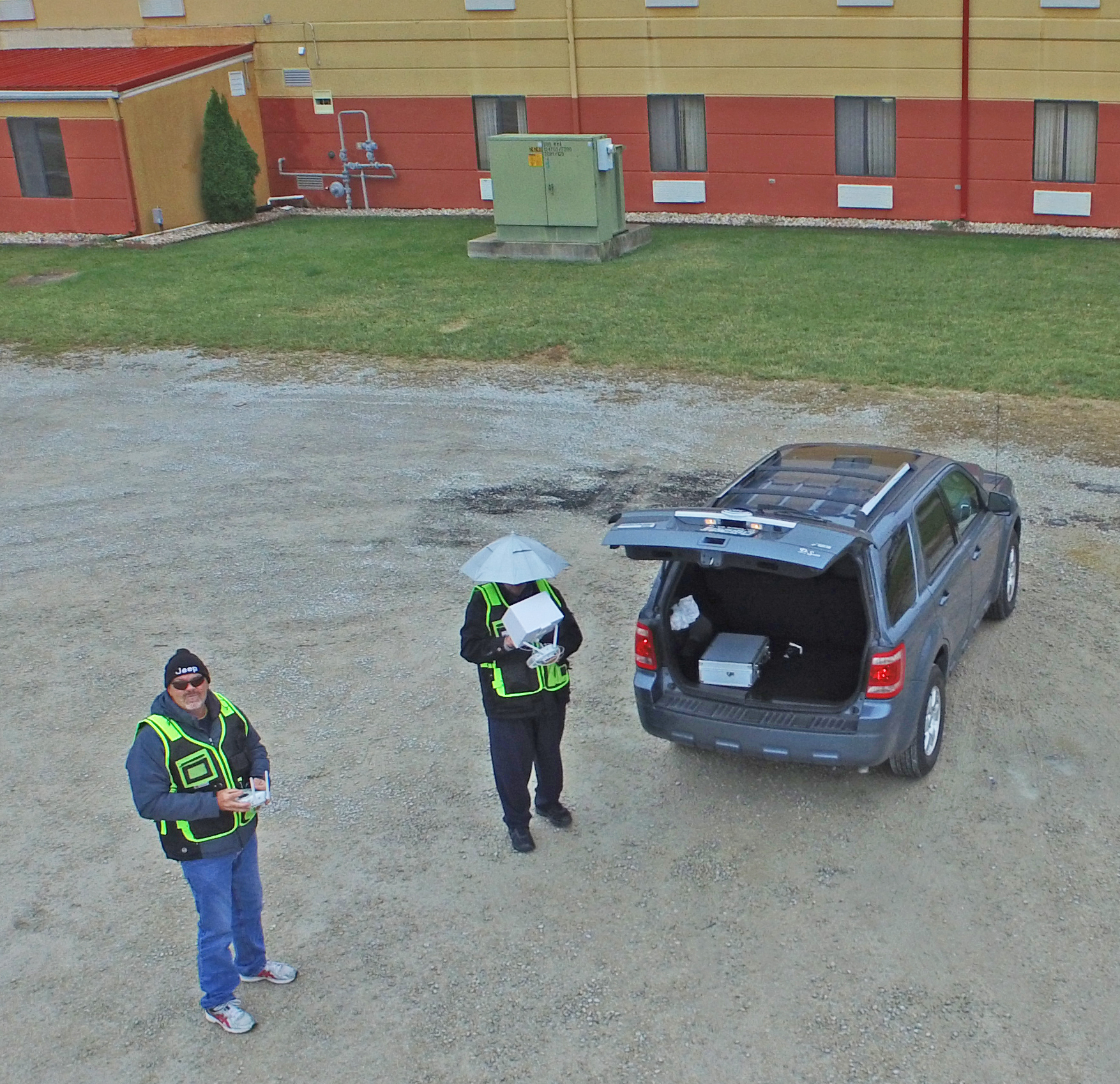
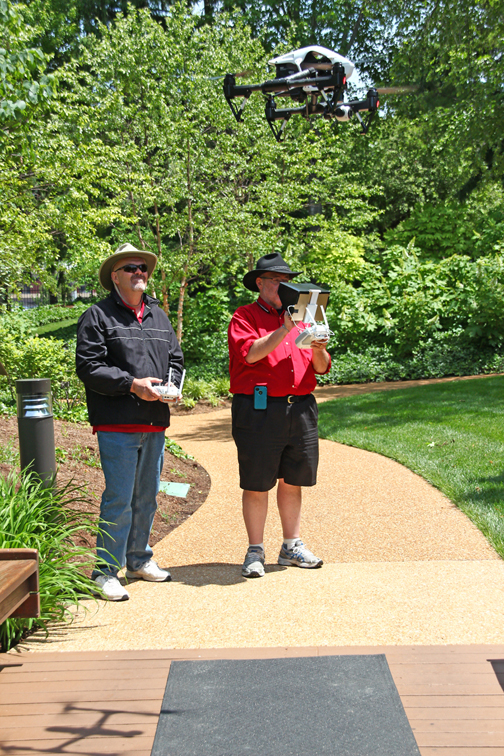
Drones eliminate the need for inspectors to physically enter high-risk areas, significantly reducing the potential for accidents and injuries. By remotely piloting drones equipped with high-resolution cameras and sensors, inspectors can safely capture detailed imagery and data from vantage points that would otherwise be inaccessible or dangerous.

2. Cost-Efficiency

Conducting manual inspections of commercial buildings can be both time-consuming and costly. It often involves deploying teams of inspectors, specialized equipment, and logistical planning to access different parts of the structure. Additionally, the downtime required for inspections can disrupt business operations, leading to further financial implications.

In contrast, drone-based inspections offer a more cost-effective solution. With drones, inspections can be completed in a fraction of the time it takes for traditional methods. This not only reduces labor costs but also minimizes disruption to business activities, allowing operations to resume promptly.
3. Rapid Data Acquisition

One of the key advantages of drone technology is its ability to rapidly collect vast amounts of data in a short period. Equipped with high-resolution cameras, thermal imaging sensors, LiDAR systems, and other advanced technologies, drones can capture detailed imagery and data from multiple angles and perspectives.

This wealth of information provides decision-makers with comprehensive insights into the condition of the building, identifying potential defects, structural issues, or areas of concern. By leveraging this data, stakeholders can make informed decisions regarding maintenance, repairs, or renovations, ultimately prolonging the lifespan of the structure and optimizing its performance.

4. Improved Accuracy and Precision

Traditional manual inspections are inherently limited by human capabilities and subjectivity. Factors such as human error, fatigue, or variations in interpretation can impact the accuracy and consistency of inspection results. In contrast, drones offer a level of precision and consistency that is unmatched by traditional methods.

By utilizing advanced imaging and sensing technologies, drones can capture detailed imagery with pixel-perfect accuracy, allowing inspectors to identify even the smallest defects or anomalies. This enables decision-makers to assess the condition of the building with greater confidence and make data-driven recommendations for maintenance or repairs.

St Louis Aerial Photography: Your Trusted Partner in Commercial Inspections

At St Louis Aerial Photography, we understand the evolving needs of businesses and organizations in the realm of commercial building inspections. With our extensive experience and expertise in aerial photography and video production, we are well-positioned to provide comprehensive solutions tailored to your specific requirements.

As a full-service professional commercial photography and video production company, we offer a wide range of services to support your inspection needs. From high-resolution aerial imaging and thermal analysis to 3D mapping and modeling, our team of skilled professionals utilizes state-of-the-art drone technology to deliver unparalleled results.

With licensed drone pilots and a diverse portfolio of successful projects, we have the right equipment and creative crew service experience to ensure the success of your image acquisition endeavors. Whether you require studio or location-based inspections, editing, post-production, or repurposing of branding assets, we have the capabilities and resources to exceed your expectations.

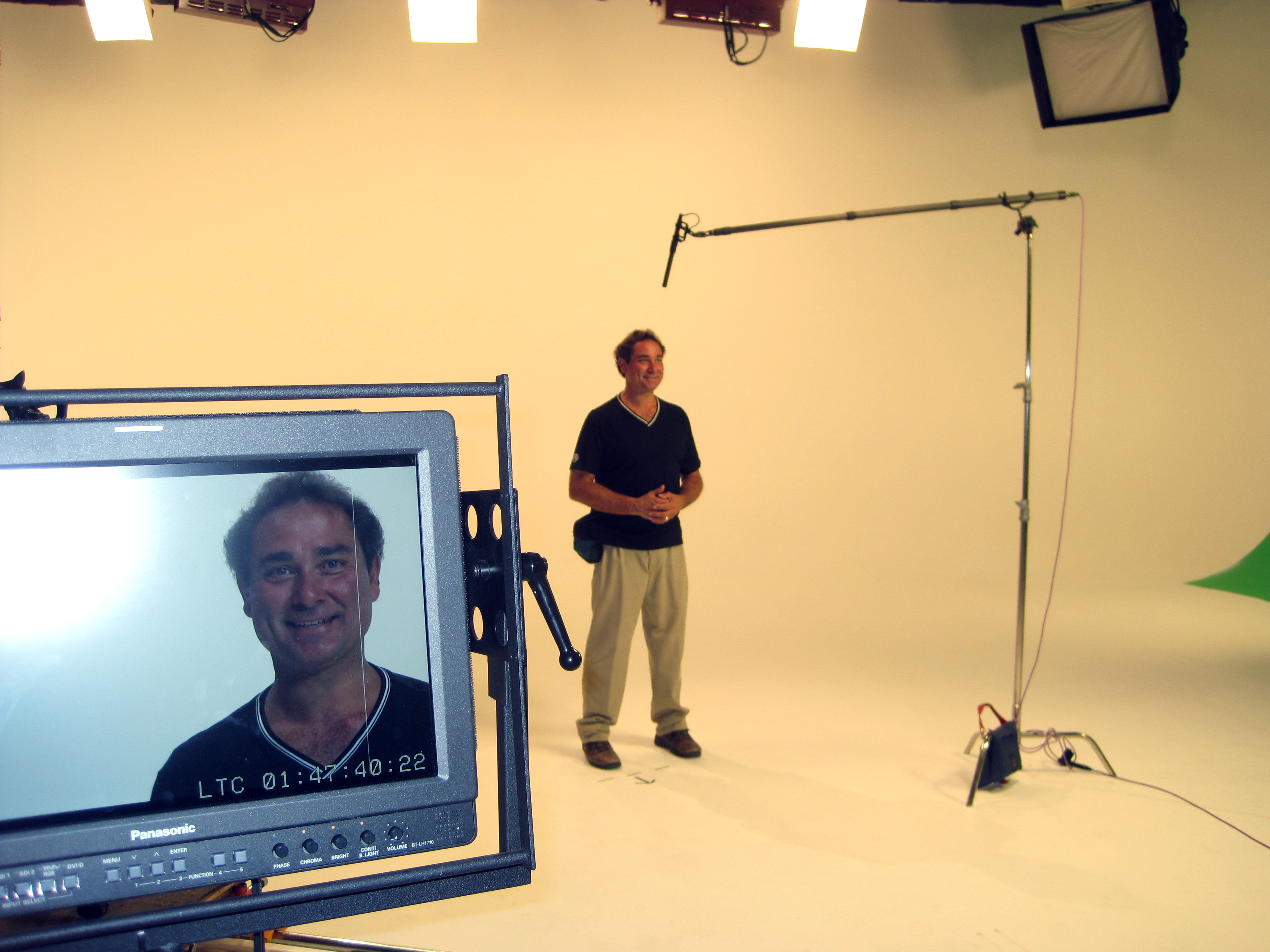
Our private studio facilities are equipped with advanced lighting and visual setups, perfect for small productions and interview scenes. Additionally, our ability to fly specialized drones indoors enables us to capture imagery in even the most challenging environments, providing comprehensive insights into the condition of your building.

Over the years, we have forged partnerships with numerous businesses, marketing firms, and agencies in the St. Louis area, providing them with top-tier corporate photography and video services. As a trusted leader in the industry, we are committed to delivering exceptional results that drive success and innovation.

In conclusion, drones are reshaping the landscape of commercial building inspections, offering decision-makers a powerful tool to enhance safety, efficiency, and accuracy. At St Louis Aerial Photography, we are proud to be at the forefront of this technological revolution, providing our clients with cutting-edge solutions that empower them to make informed decisions and achieve their goals.
314-604-6544

stlouisaerialphotography@gmail.com

From Concept to Completion: A Step-by-Step Guide to the Video Production Process

As someone who has worked in the video production industry for many years, I am often asked about the process involved in creating a video, from start to finish. While it may seem like a daunting task, video production can be broken down into several manageable stages. In this article, I will guide you through the step-by-step process of video production, from concept to completion.

A well-produced video can help to increase brand awareness, generate leads, and drive sales.

Introduction to Video Production

Video production is the process of creating a video, from its conceptualization to its distribution. This includes planning, filming, editing, and post-production, and requires a team of professionals working together to bring the project to life.

There are several types of videos that can be produced, including promotional videos, corporate videos, explainer videos, and event videos. Each type of video has its own unique requirements and objectives.

Before beginning any video production project, it is important to identify the purpose of the video, the target audience, and the key message that needs to be conveyed.

Pre-Production Stage: Concept and Planning

The pre-production stage is the planning stage of video production. This is where the overall concept of the video is developed, and the logistics of the project are worked out.

During this stage, it is important to identify the key objectives of the video, the target audience, and the desired tone and style. This will help guide the rest of the production process.

Additionally, the pre-production stage is where the budget and timeline for the project are established. This includes determining the scope of the project, the resources needed, and the deadlines for completion.

Pre-Production Stage: Scriptwriting and Storyboarding

Once the concept and planning are in place, the next step is to develop a script and storyboard. The script will outline the dialogue and action that will take place in the video, while the storyboard will provide a visual representation of each shot.

The script and storyboard are crucial components of the video production process, as they provide a roadmap for the filming process. They also ensure that the video will convey the desired message and tone.

Pre-Production Stage: Location Scouting and Casting

Before filming can begin, locations for the shoot must be identified and secured. This includes scouting for the right setting, as well as obtaining any necessary permits.

Additionally, casting must be completed during this stage. This involves selecting the actors or presenters who will be featured in the video.

It is important to ensure that the actors or presenters are suitable for the project, and that they are comfortable with the script and any action they may be required to perform.

Production Stage: Filming and Capturing Footage

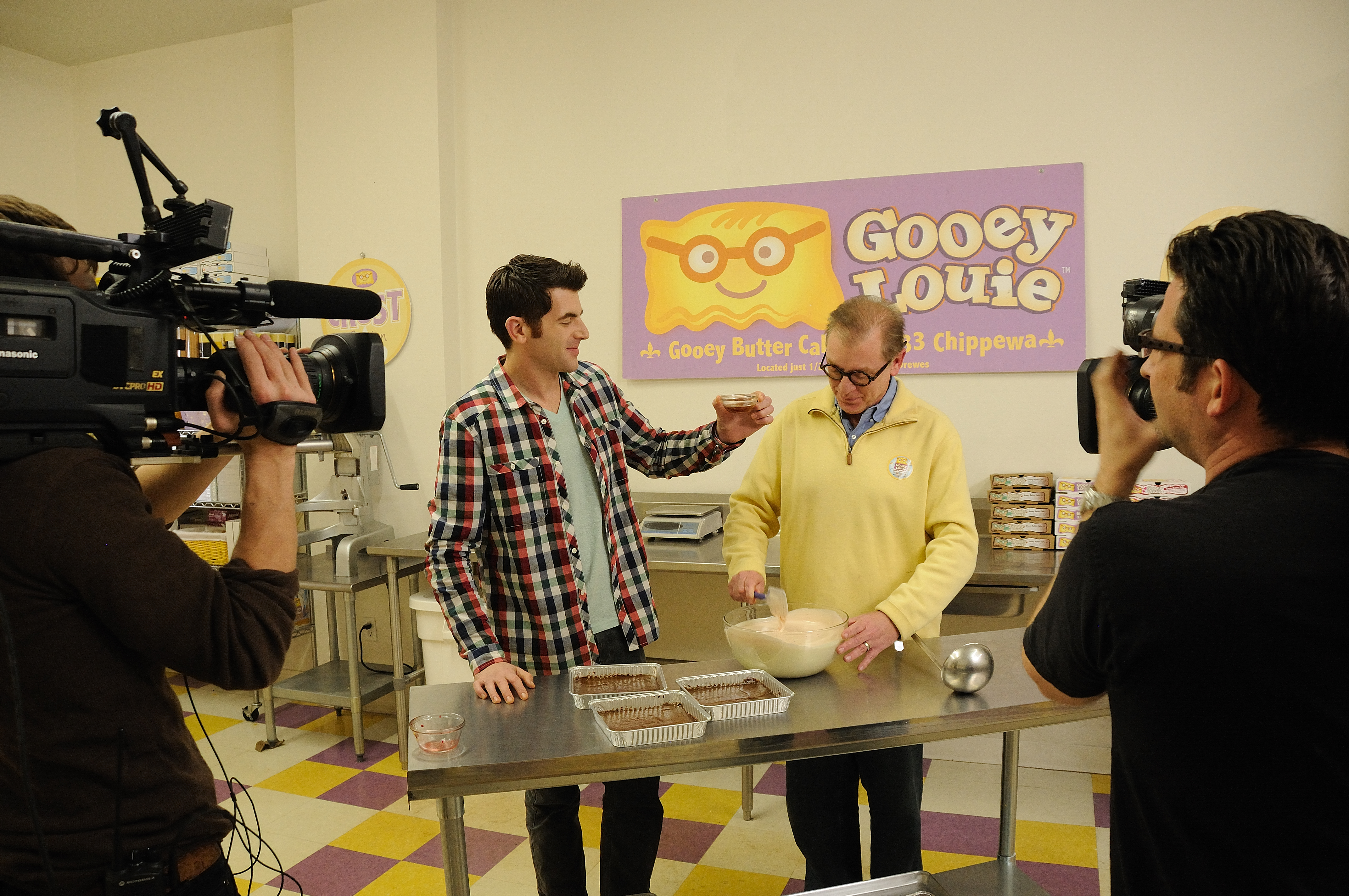
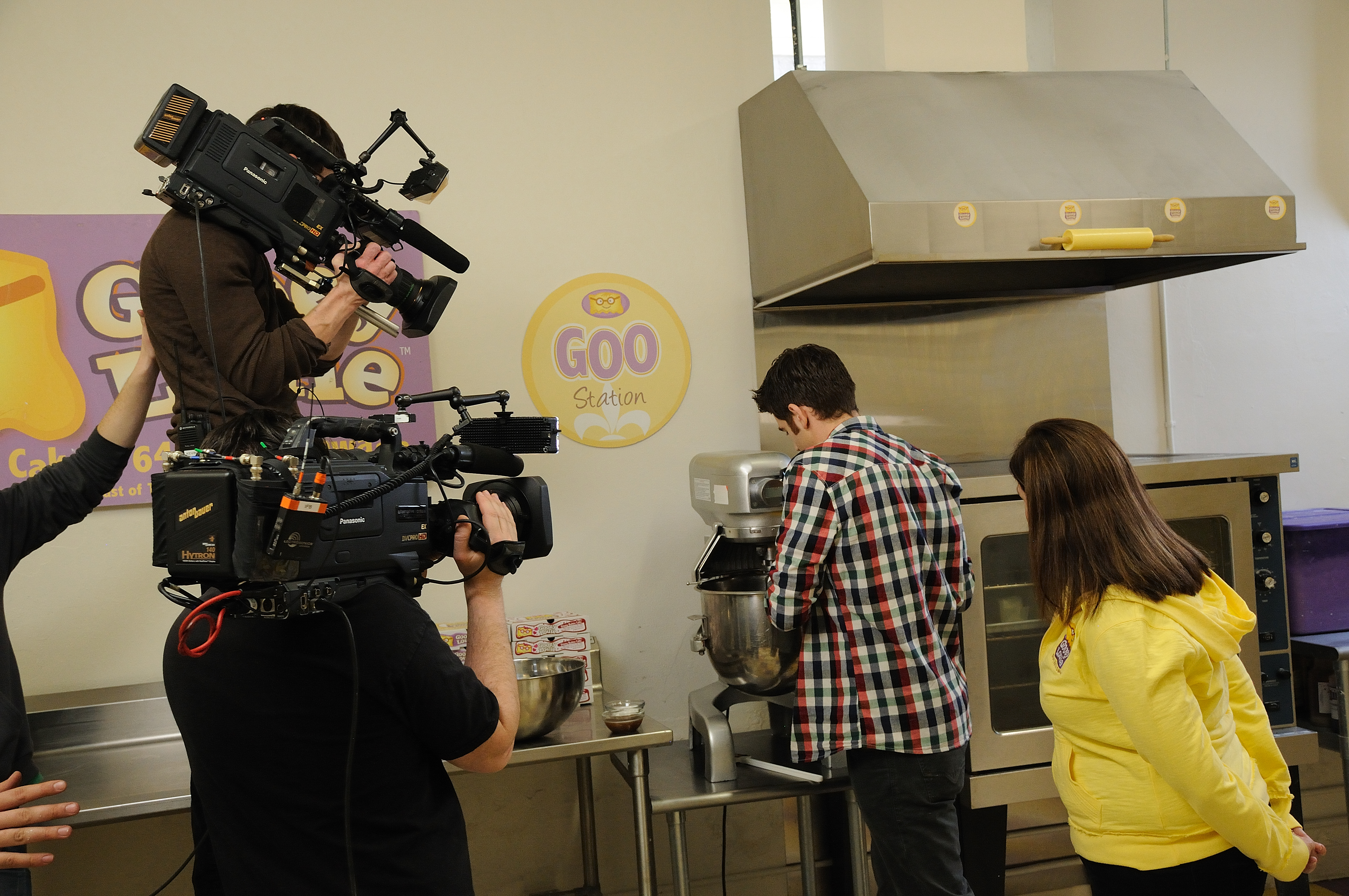
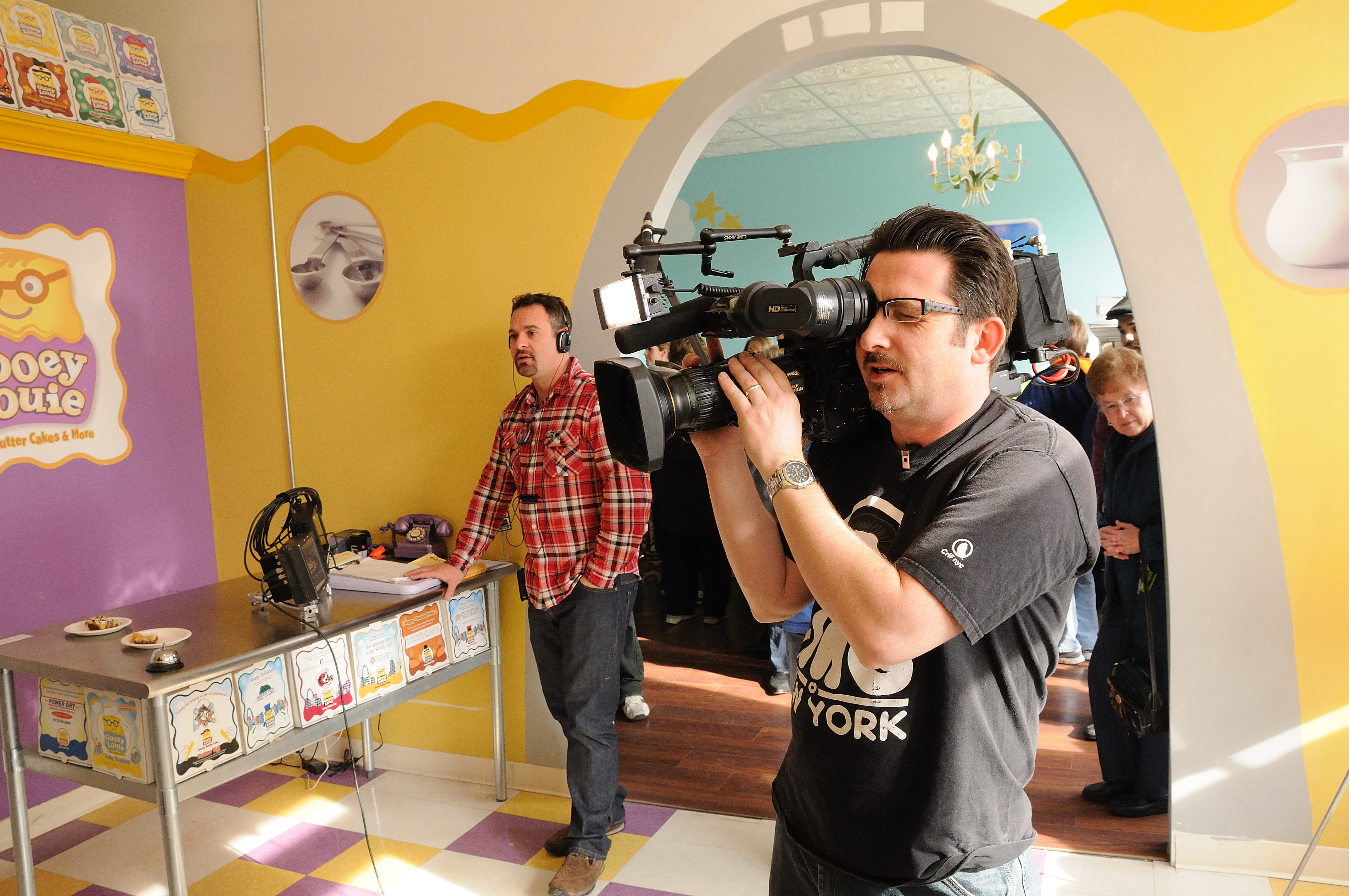
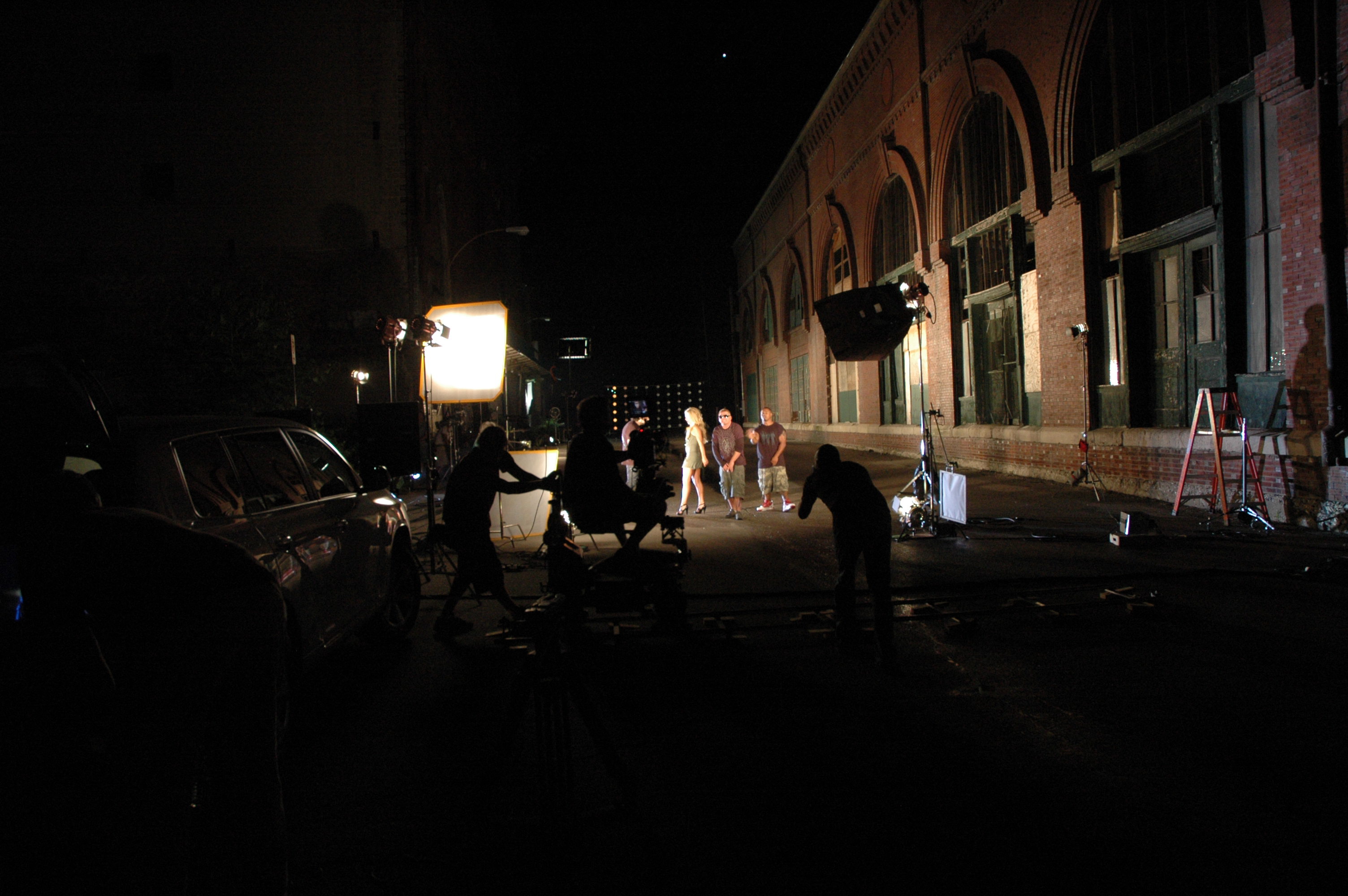
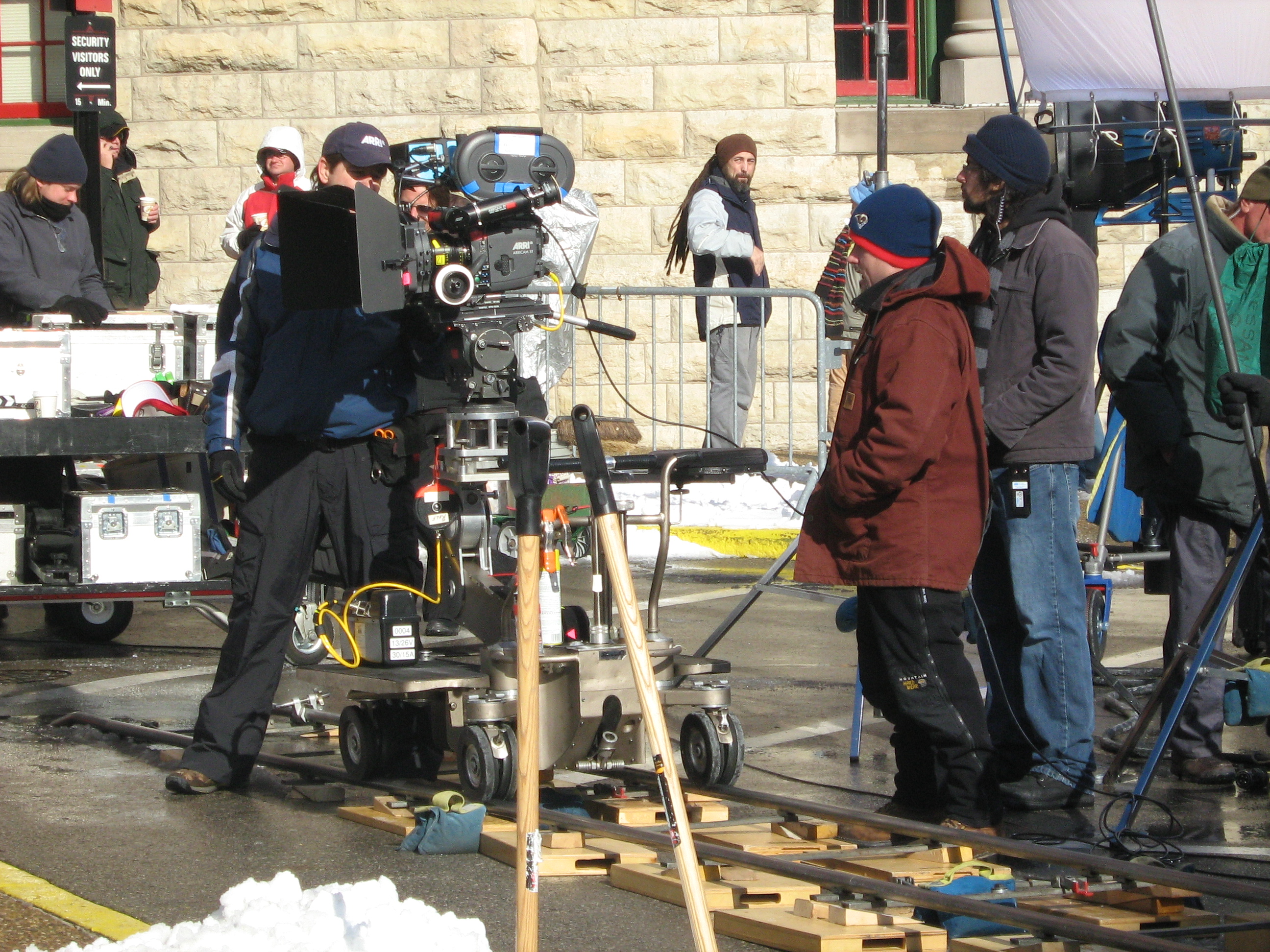
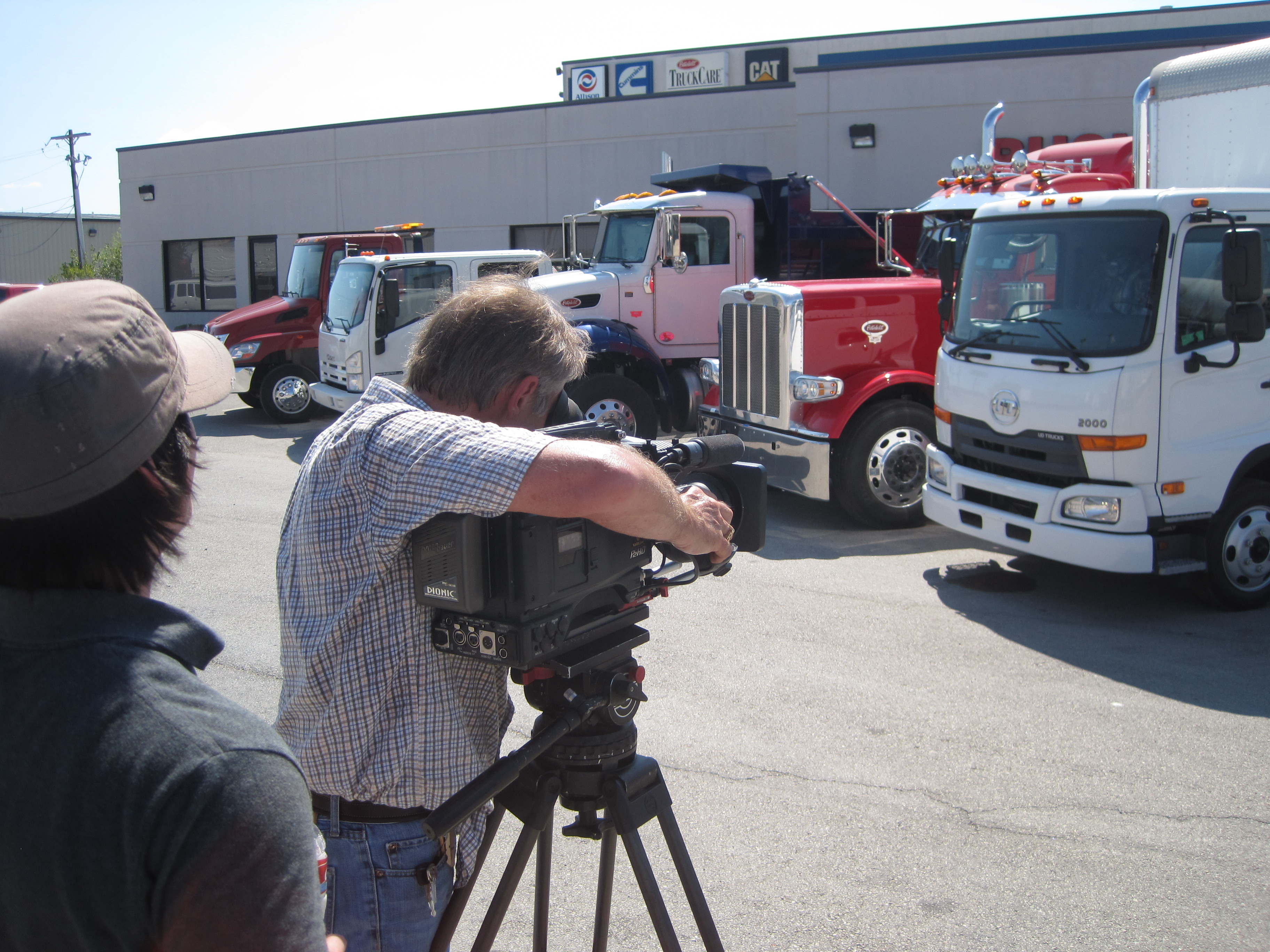
The production stage is where the video is filmed and the footage is captured. This involves setting up the cameras, lighting, and sound equipment, as well as directing the actors and presenters.

During filming, it is important to capture a variety of shots, including wide shots, close-ups, and medium shots. This will provide the editor with a variety of footage to work with during the post-production stage.

It is also important to ensure that the sound quality is high, as poor sound can greatly affect the final product.

Post-Production Stage: Editing and Sound Design

The post-production stage is where the raw footage is edited and refined. This involves cutting the footage down to the desired length, and arranging it into a cohesive story.

Additionally, sound design is completed during this stage. This includes adding music, sound effects, and voiceovers, as well as adjusting the levels of the sound to ensure that it is consistent throughout the video.

Post-Production Stage: Color Grading and Visual Effects

Color grading and visual effects are also completed during the post-production stage. Color grading involves adjusting the color and contrast of the footage to create a consistent look and feel throughout the video.

Visual effects can also be added during this stage, such as motion graphics or special effects. These effects can add visual interest to the video and help to convey the message more effectively.

Post-Production Stage: Adding Music and Final Touches

The final touches are added during the post-production stage. This includes adding any final touches to the sound design and visual effects, as well as adding the opening and closing credits.

Additionally, music is added during this stage. The right music can greatly enhance the final product, and can help to convey the desired tone and emotion.

Distribution and Promotion: Marketing Your Video

Once the video is complete, the final step is to distribute and promote it. This involves uploading the video to the desired platform, whether it be YouTube, Vimeo, or another platform.

Additionally, the video must be promoted through social media, email marketing, and other channels. This will help to ensure that the video reaches its target audience and achieves its key objectives.

Conclusion: The Impact of Video Production on Your Brand or Business

Video production can have a significant impact on your brand or business. A well-produced video can help to increase brand awareness, generate leads, and drive sales.

By following the steps outlined in this guide, you can ensure that your video production project is a success, and that it helps to achieve your key objectives.

If you’re interested in learning more about video production, or if you have a project that you would like to bring to life, please contact us today. We would be happy to help you with all of your video production needs.

Live Event Webcasting | Indoor Drone Video Production

Our video crew can help with your live video webcasting.  Our platform allows you to broadcast a live event or on-demand HD quality audio or video presentation to hundreds or thousands of attendees.  Combined with powerful reporting capabilities, marketers and sales executives can measure results and refine future campaigns.
We offer world-class customer support to help make your webcasts as powerful and effective as possible. We also supply event production services – camera crew, sound, staging and lighting.  We can shoot indoor aerials safely for plant tours and live convention gatherings.


314-604-6544
stlouisaerialphotography@gmail.com
Robert Haller, Drone Specialist

corporate video production st louis

Most of our web work for companies consists of video and photography. We do videotape a great deal of aerial work in st louis, but also produce a myriad of corporate productions on the ground.

Our video production services are targeted to small business owners and individuals who will benefit from a smaller video production company to create and produce their video. We are locally grown and St Louis based.

314-892-1233
Robert Haller, St Louis Video Producer
St Louis Video Production
stlouisvideoproduction@gmail.com