Save Time on Building Checks with Infrared Drones: Faster Answers for Facilities, Faster Content for Marketing

Building checks are notorious for consuming time without producing clarity. Someone reports a hot/cold spot. A leak appears on a ceiling tile. Energy bills spike. A rooftop unit “sounds fine” until it isn’t. Then the scramble begins—walkthroughs, lifts, access panels, contractor visits, and email chains that still end with: Where exactly is the problem?

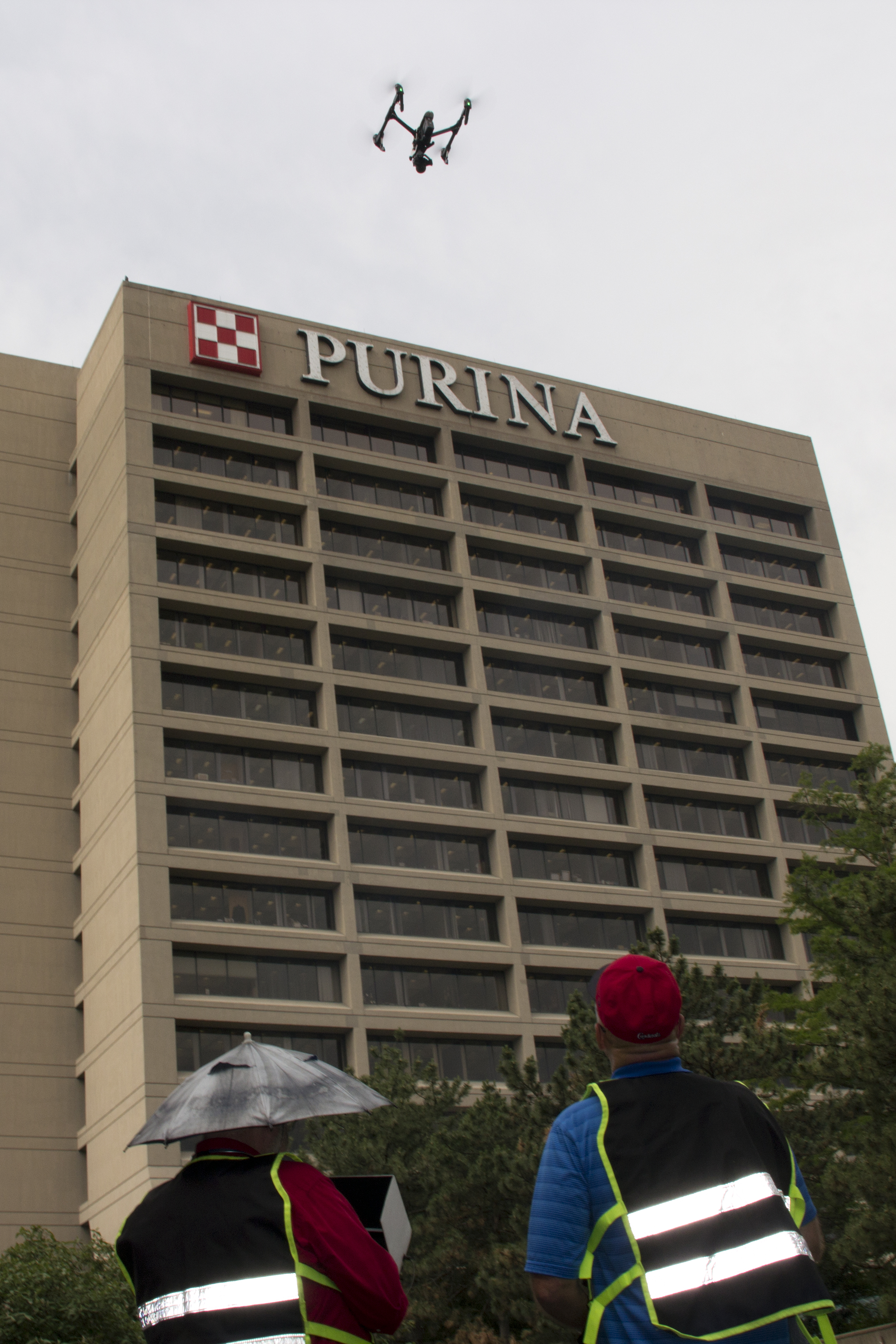
Infrared (thermal) drone imaging is one of the most efficient ways to turn those vague symptoms into a prioritized, visual to-do list—especially when you reminded yourself that the goal isn’t just “inspection,” it’s decision-making. For property teams, it can compress days of checks into a single planned capture window. For marketing teams, it can generate credible, high-value visuals that explain your preventative approach without relying on stock imagery or generic claims.

Here’s how to use infrared drones to accelerate building checks, reduce disruption, and get deliverables that both facilities and marketing can use.


What infrared drones “see” during building checks

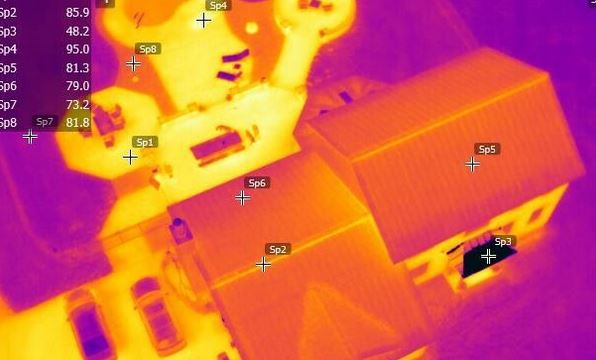
Infrared cameras don’t magically see through walls. They measure infrared radiation emitted from surfaces and translate it into a map of apparent temperature differences. Those differences often correlate with real issues:

  • heat escaping through missing insulation or thermal bridges
  • air leakage around penetrations, roof-to-wall transitions, and openings
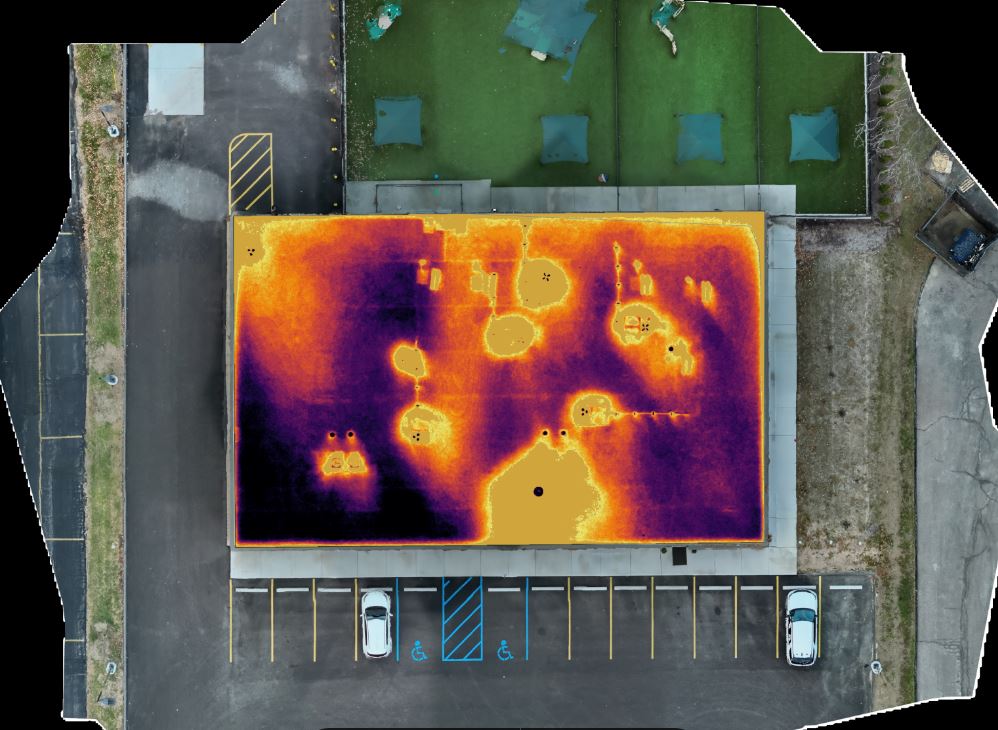
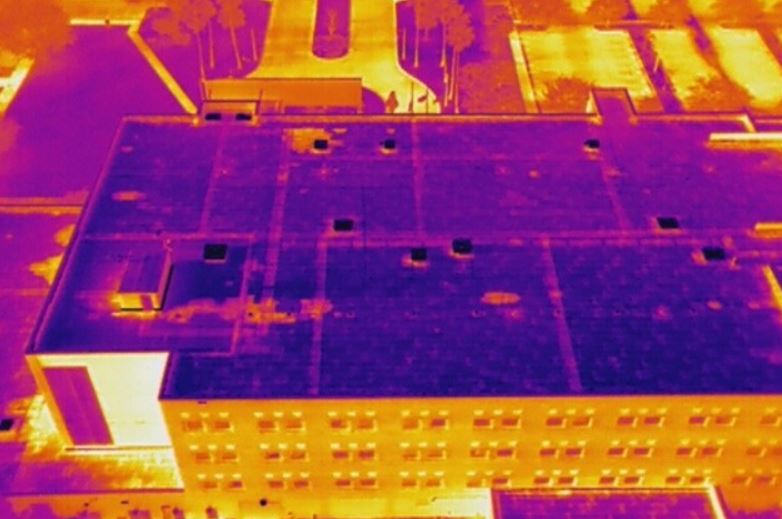
  • trapped moisture in roof insulation or wet building materials (often presenting as thermal anomalies)
  • overheating components on rooftop equipment or electrical assets (in the right conditions)
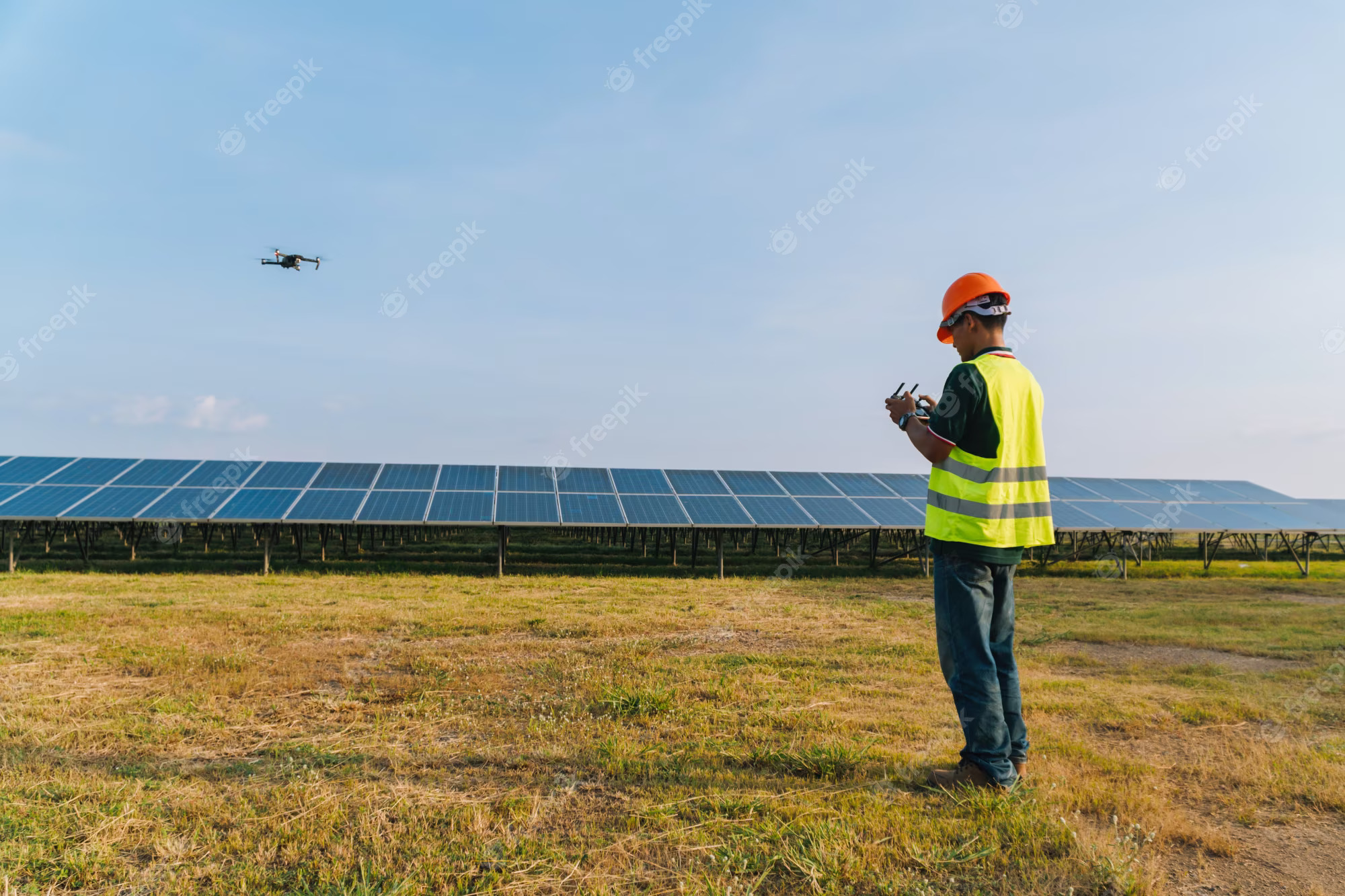
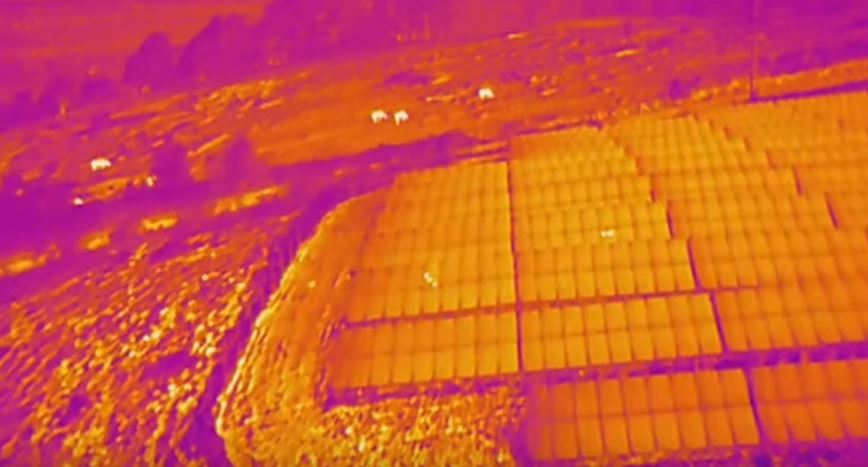
  • solar panel “hot spots” that can indicate faults or underperformance

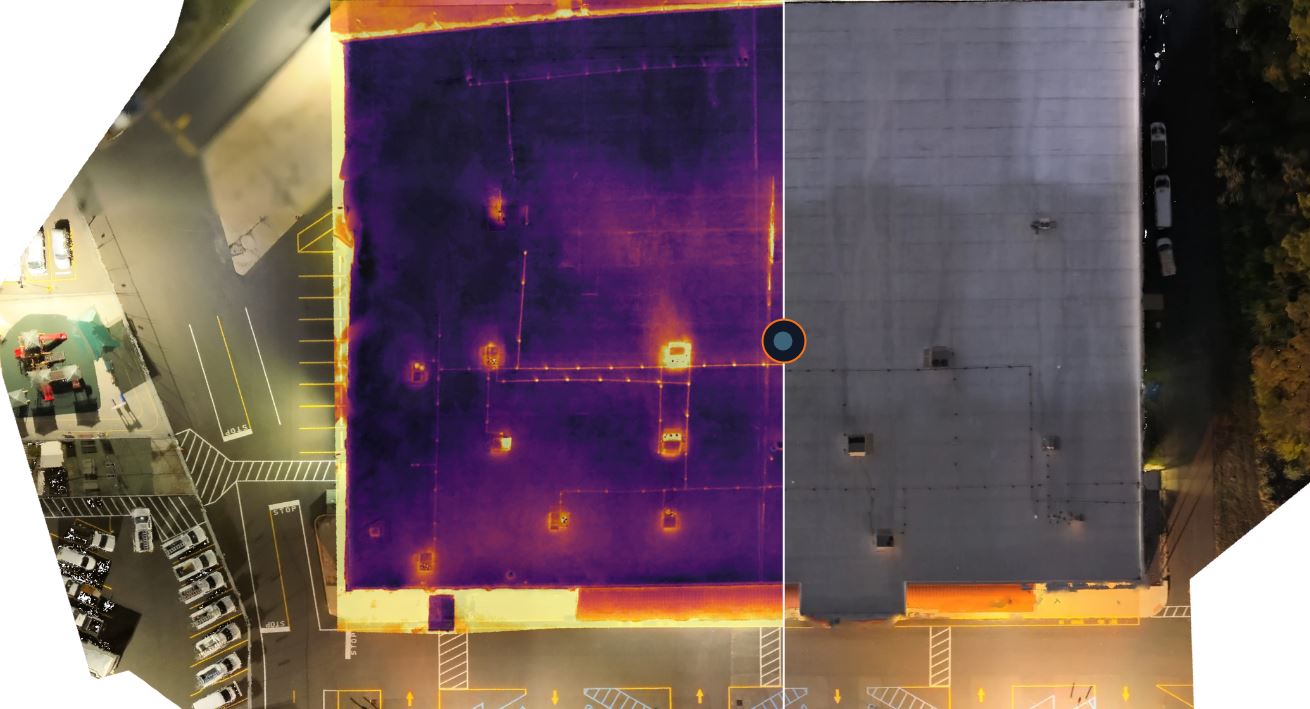
A good thermal workflow is less about “cool-looking images” and more about pattern recognition + context: pairing thermal with high-resolution visible images, flight notes, and the right environmental window.


Why thermal drones save time compared to traditional building checks

1) Whole-asset coverage without the setup overhead

Traditional checks often start with access—ladders, lifts, roof hatches, escorts, safety plans for elevated work, and time-blocks that involve multiple people. A planned drone thermal survey covers large roof areas and façades quickly, reducing the amount of time staff spends staging access.

2) You stop “searching” and start “targeting”

The biggest time leak in maintenance is troubleshooting without a map. Thermal provides a map—so instead of probing everywhere, you focus on suspect zones first. That means fewer exploratory cut tests, fewer repetitive contractor visits, and faster triage.

3) You reduce tenant and operations disruption

A thermal drone capture can be designed to minimize interference with business operations. You can gather diagnostic visuals without setting up equipment inside occupied spaces, without pulling ceiling tiles across multiple areas, and without long on-site downtime.

4) You create a baseline that makes future checks faster

Once you have a baseline thermal profile, follow-up checks become comparison exercises:

  • “Did that roof repair actually change the thermal pattern?”
  • “Are these anomalies growing or stable?”
  • “Are we seeing new leak pathways after the last storm?”

A repeatable baseline turns building checks from reactive to planned.


The most practical building-check applications

Roof screening for moisture and insulation issues

Low-slope roofs are common failure points, and they’re expensive when problems spread. Thermal drone checks can help highlight areas that warrant verification—not necessarily “diagnose” with certainty, but efficiently point you to where deeper testing makes sense.

What you can get:

  • suspect zones to validate with core cuts or moisture meters
  • documentation for repair scope discussions
  • post-repair visual comparison

Time saved: fewer “guess-and-open” tests and fewer broad, blanket repair assumptions.


Building envelope heat-loss checks

For older buildings, newly renovated spaces, or sites with comfort complaints, thermal can reveal:

  • missing or settled insulation zones
  • thermal bridging patterns
  • air leakage around penetrations and transitions
  • abnormal temperature gradients that flag envelope weaknesses

Time saved: fewer trial-and-error HVAC adjustments when the problem is actually the envelope.


Rooftop HVAC and mechanical checks

Thermal imaging can help screen rooftop equipment areas for abnormal heating patterns that may correlate with stress or inefficiency. The best results come from planned captures and paired visible imaging so teams can identify the exact unit/component in context.

Time saved: quicker prioritization of which units deserve service first—especially across multi-building portfolios.


Solar array checks for performance screening

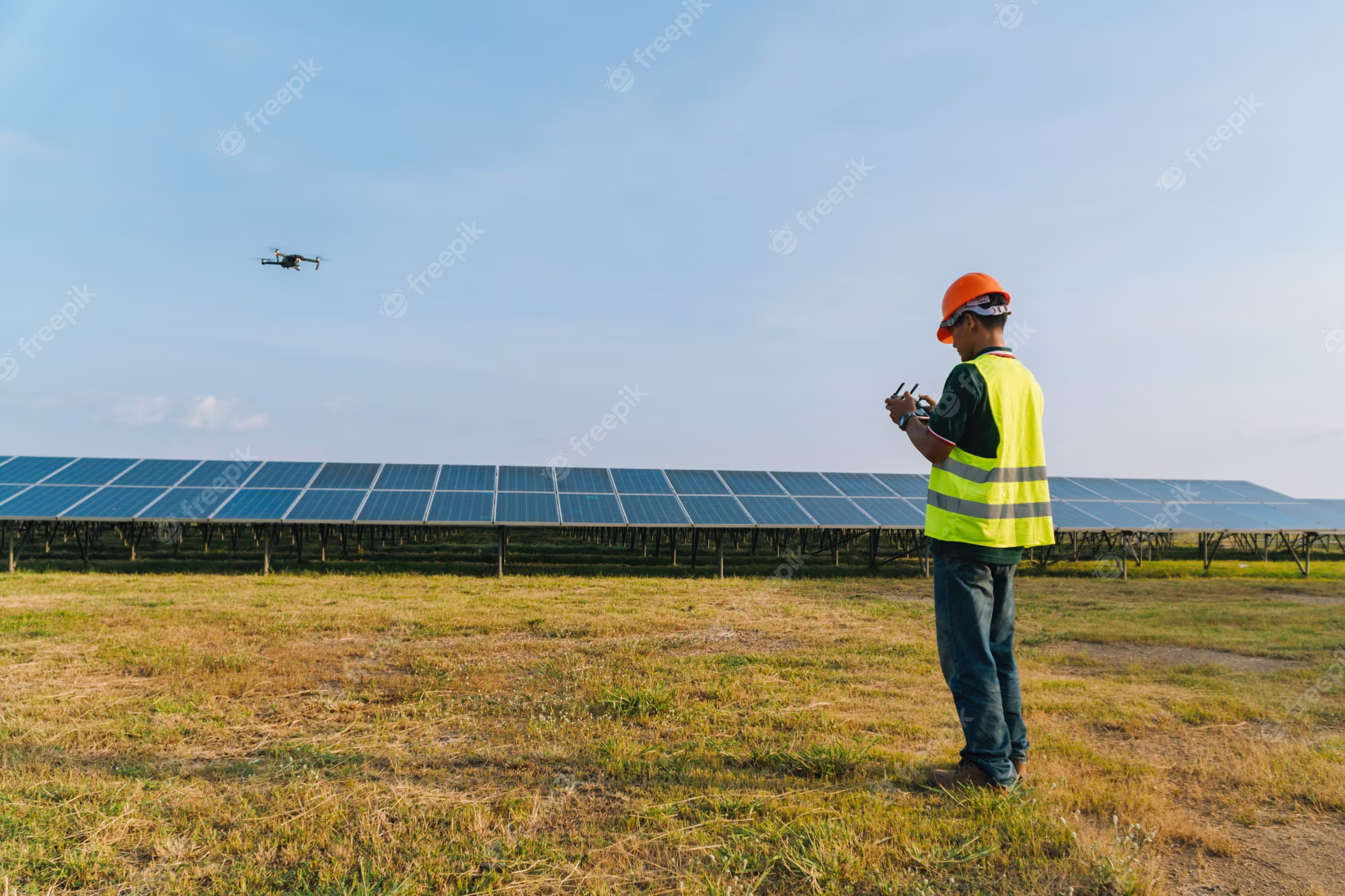
Thermal imaging can flag “hot” modules/cells that may indicate faults or underperformance. Combined with a simple zone map, this allows your service team to target the right strings or modules.

Time saved: faster troubleshooting compared to hunting down intermittent production issues without visual evidence.


What makes thermal drone building checks succeed

Timing is not optional—it’s the method

Thermal contrast depends on environmental conditions. Wind, recent rain, solar loading, and temperature differentials can either clarify anomalies or hide them. A professional provider plans the capture window to support the inspection goal, rather than flying whenever it’s convenient.

Thermal without visible imagery is a workflow mistake

Thermal shows you the “where.” Visible imagery tells you the “what.” When you deliver both, your internal teams and contractors can act faster—without misidentifying locations or confusing assets.
“Findings” should be prioritized, not dumped

Decision makers don’t need 500 images. They need:

  • severity tiers (urgent / monitor / informational)
  • annotated visuals
  • location references (roof sections, elevations, asset IDs)
  • recommended next steps (verification or repair pathway)

If your deliverable doesn’t reduce decisions to an actionable list, it’s not saving time—it’s creating work.


A practical workflow for faster building checks

  1. Define the question
    • “Where are likely wet-insulation zones?”
    • “Which elevations show heat loss patterns?”
    • “Are there anomalies after the last storm?”
    • “Which rooftop units look abnormal vs baseline?”
  2. Plan the capture window
    • choose conditions that maximize thermal contrast for that question
    • coordinate access and safety constraints
    • align with operational priorities (tenant hours, traffic, security)
  3. Capture thermal + visible
    • consistent coverage patterns
    • repeatable altitudes/angles if you plan future comparisons
    • asset-identifying visuals for clear mapping
  4. Deliver a decision-ready report
    • prioritized findings + annotated evidence
    • recommended verification steps
    • outputs usable for facilities and leadership updates
  5. Optional: create stakeholder-friendly media
    • short highlight video
    • before/after comparisons
    • branded visuals for internal comms or external credibility

Common pitfalls (and how to avoid them)

  • Overconfidence in thermal alone
    Thermal is a screening tool. Verify key findings where the cost of being wrong is high.
  • Ignoring reflections and material effects
    Glass, shiny metals, wet surfaces, and mixed materials can create misleading patterns. Interpretation matters.
  • Flying without a purpose
    “Let’s see what we see” almost always produces noise. A defined objective produces clarity.
  • Delivering raw files without context
    The fastest building check is the one that produces immediate next steps, not a large archive.

Why St Louis Aerial Photography for infrared drone building checks

At St Louis Aerial Photography, we approach infrared drone work as professional image acquisition for real business decisions—not as a gadget flight.

We are a full-service professional commercial photography and video production company, operating since 1982, with long-standing experience serving businesses, marketing firms, and creative agencies across the St. Louis area. That production background matters, because the best inspection deliverables require more than flying: they require planning, documentation discipline, and media that can be understood and used by multiple stakeholders.

With St Louis Aerial Photography, you get:

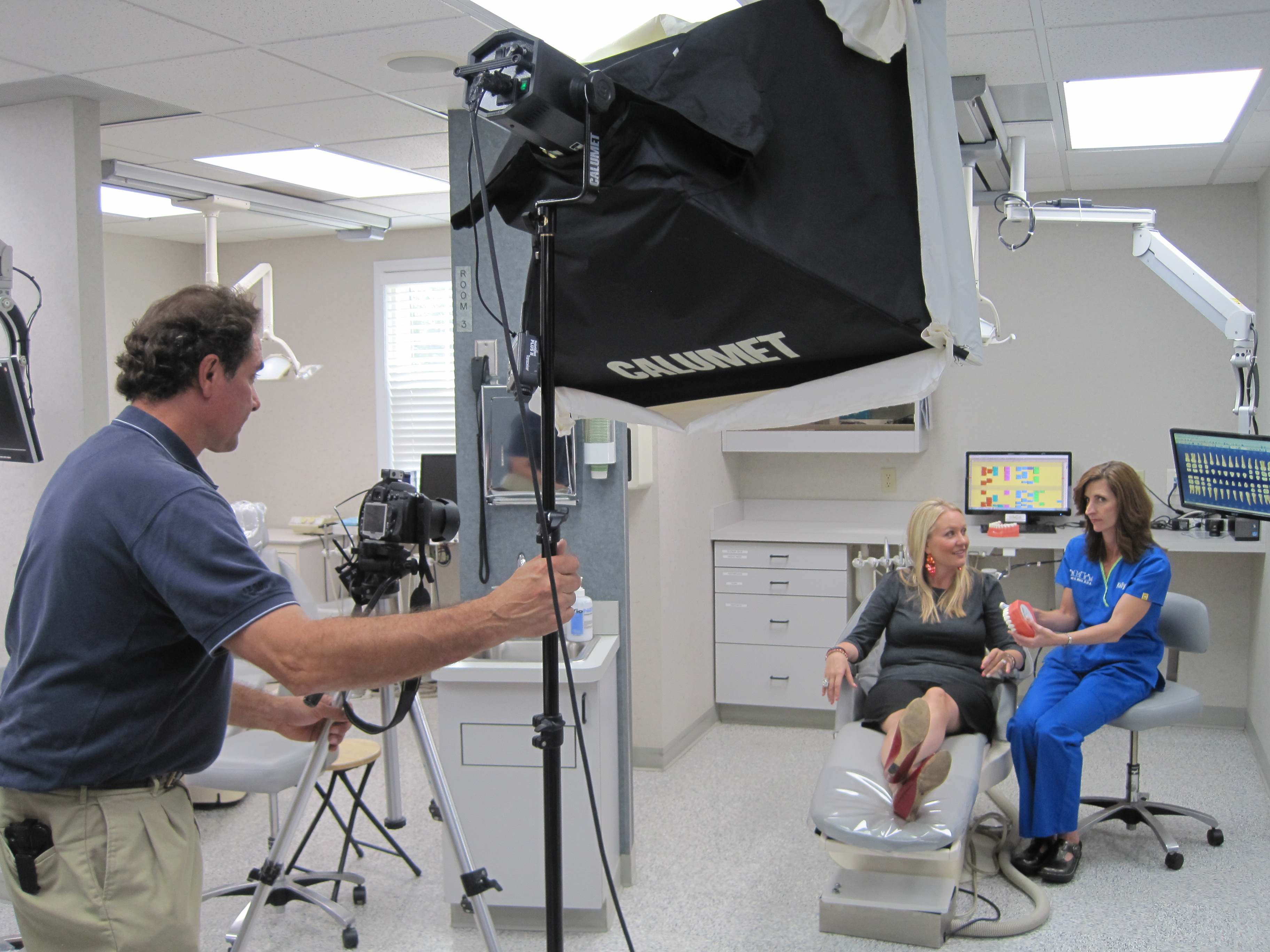
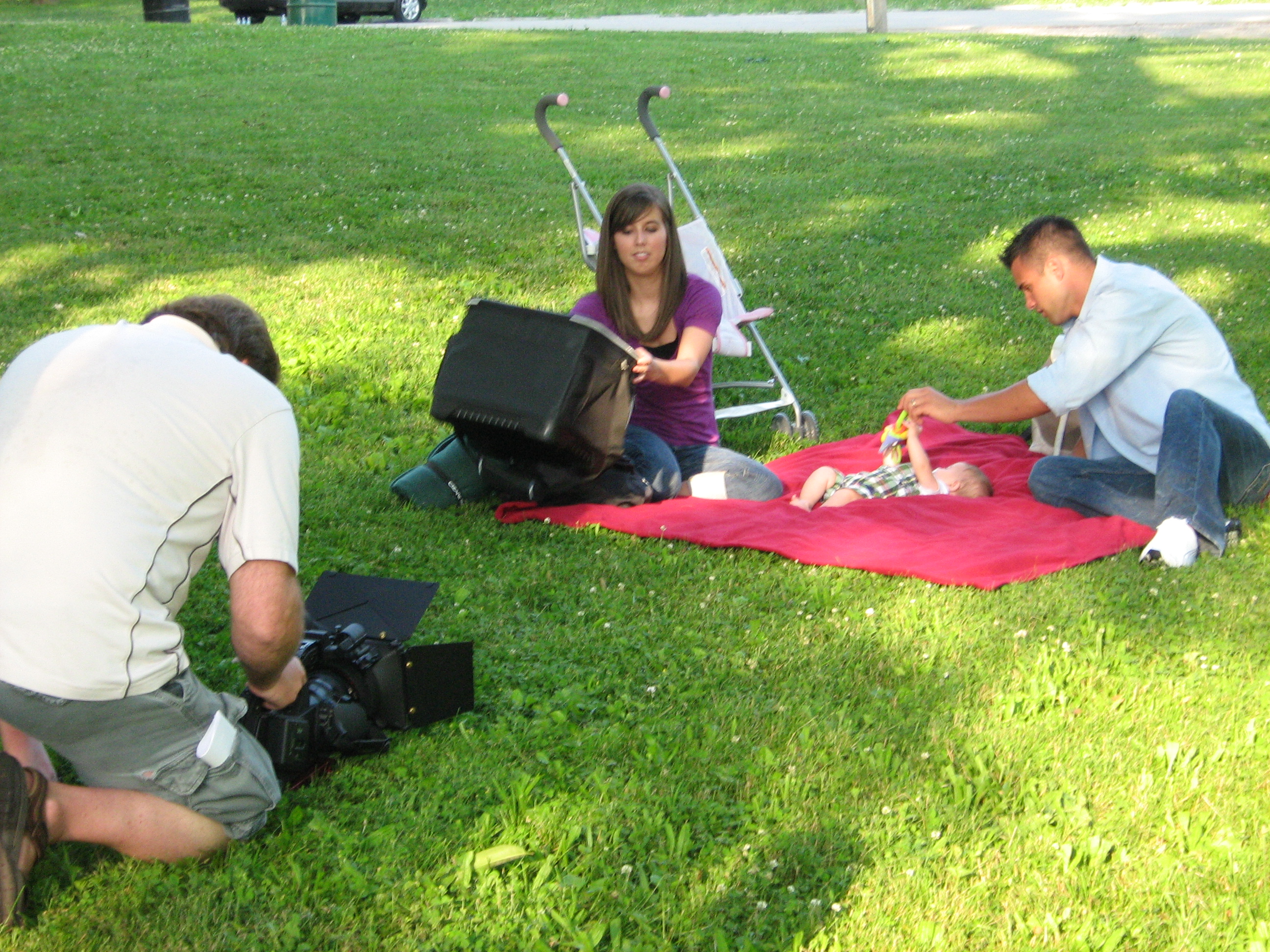
  • Full-service studio and location video and photography, plus editing and post-production
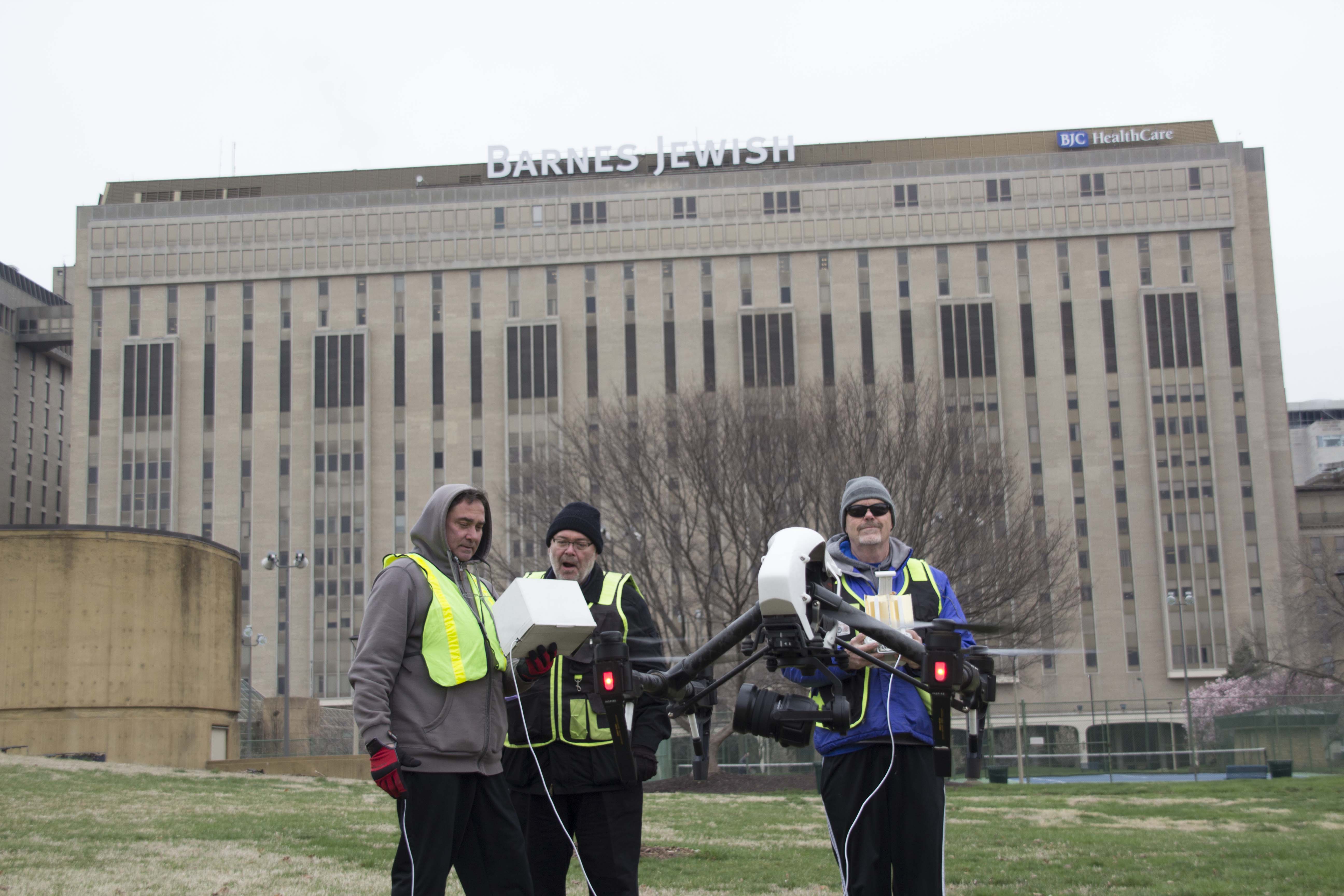
  • Licensed drone pilots and workflows designed for reliable, repeatable capture
  • Deliverables customized for facilities, operations, leadership, and marketing needs
  • Strong command of file types, media styles, and software so content integrates cleanly into your systems
  • The latest Artificial Intelligence integrated into our media services for faster organization, smarter workflows, and easier repurposing
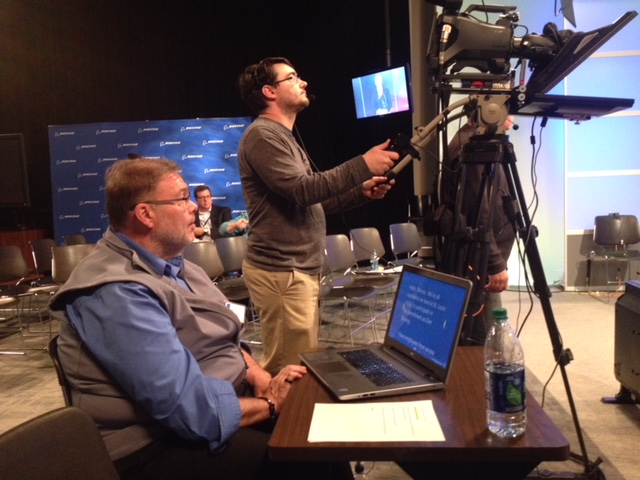
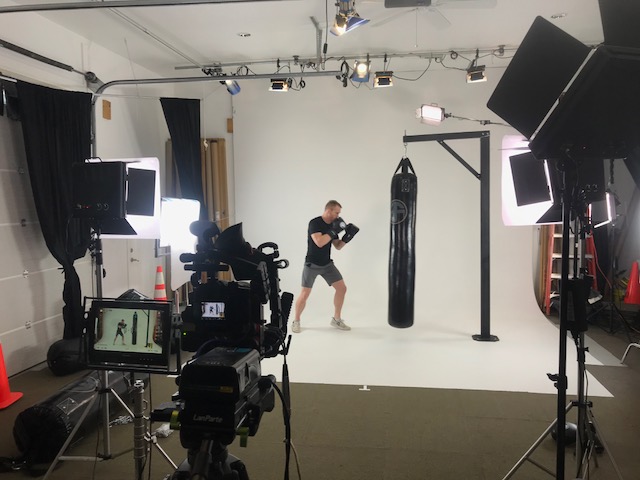
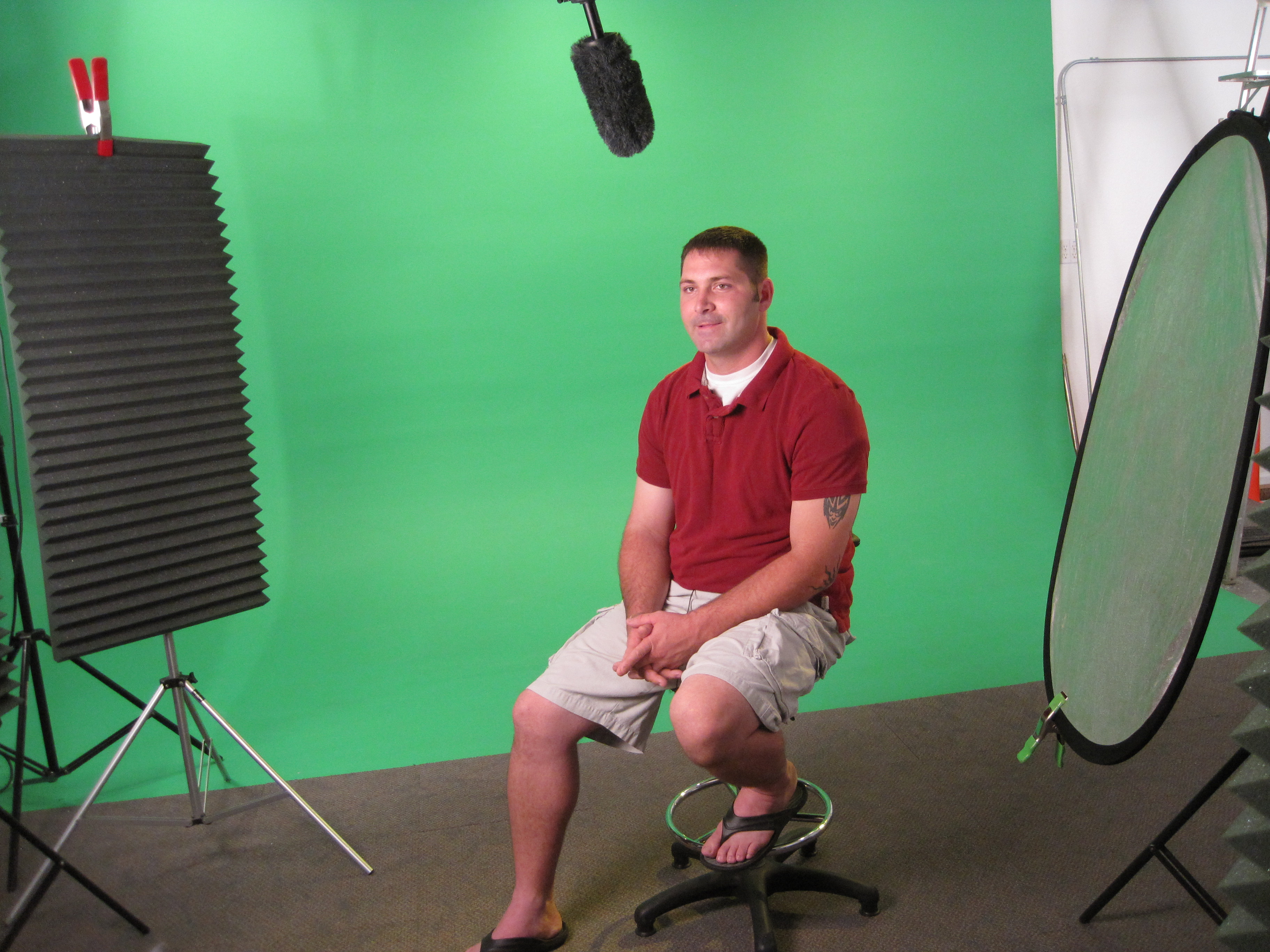
  • A private studio with professional lighting—ideal for interviews, training, and stakeholder messaging, with room for props and custom set builds
  • End-to-end production support—from building a private interview studio to supplying professional sound and camera operators
  • Ability to fly specialized drones indoors when the environment and safety plan call for it

If your goal is to save time on building checks and walk away with visual evidence that supports smarter decisions, St Louis Aerial Photography is built to deliver both.

314-604-6544

stlouisaerialphotography@gmail.com

Mistakes to Avoid When Flying Drones Over Stockpiles: Aerial Photography Best Practices for Accurate, Safe, and Effective Data Capture

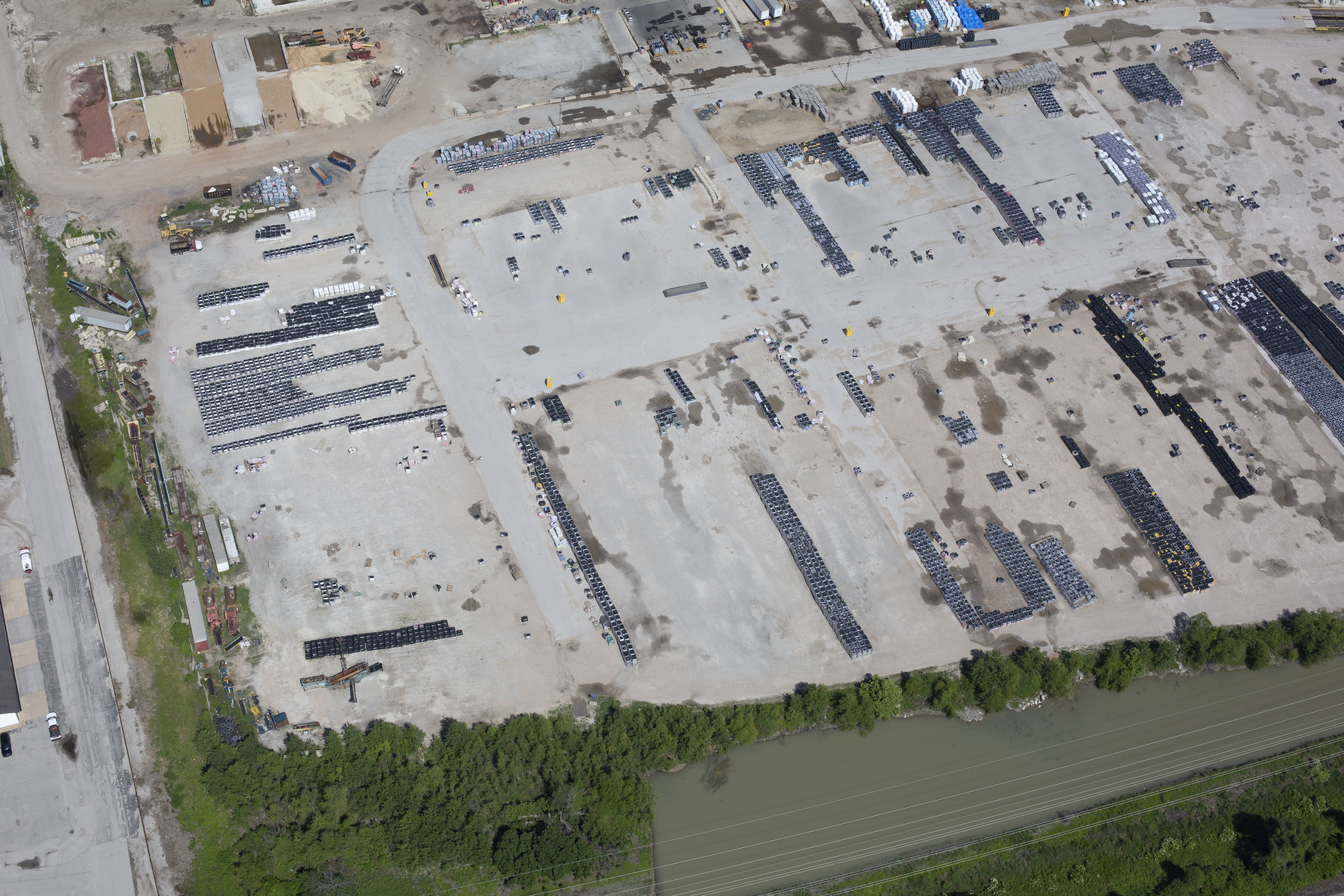
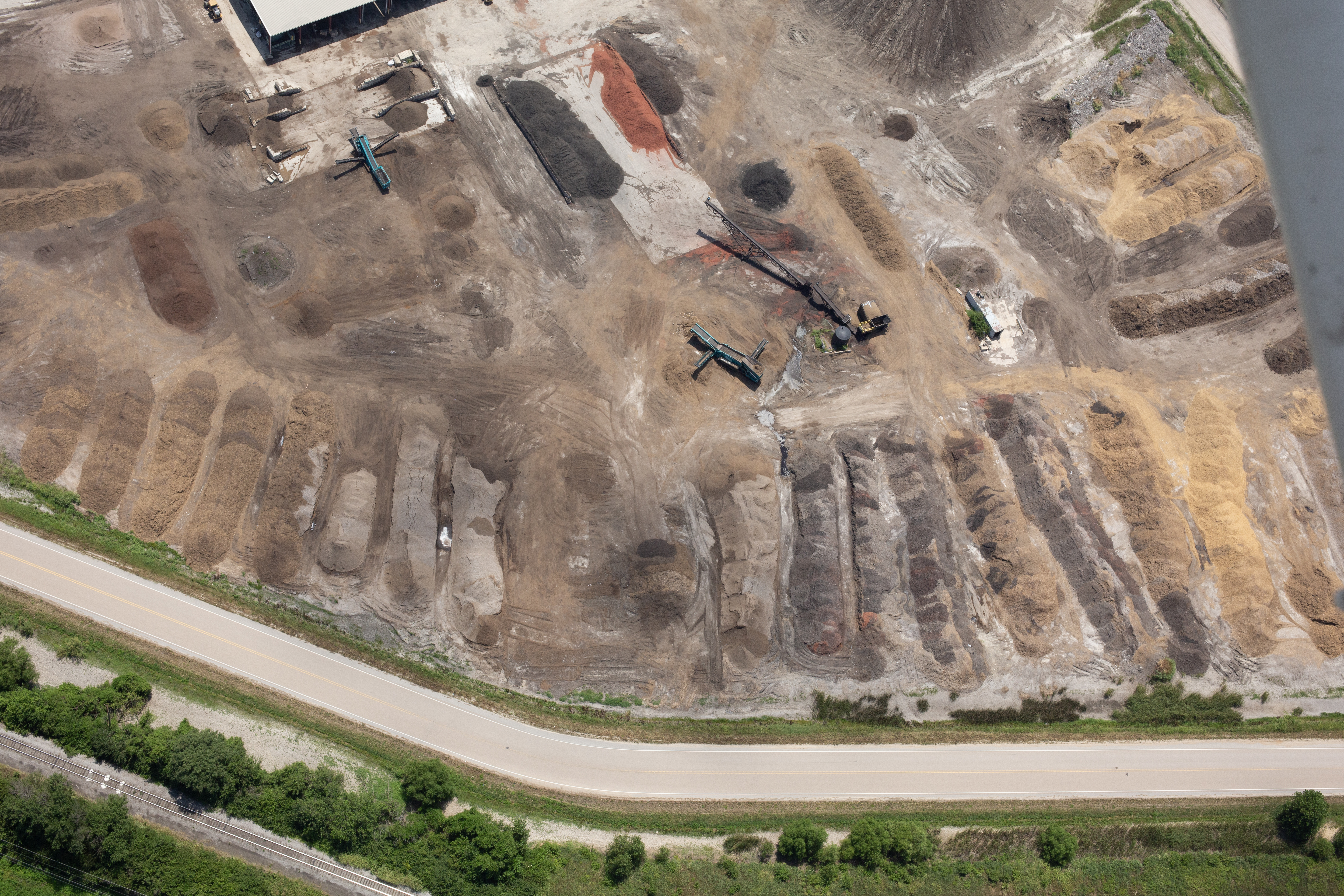
In today’s logistics, mining, and construction industries, drone photography has become a powerful tool for monitoring, measuring, and managing stockpiles. From volumetric analysis to visual progress reporting, aerial imaging offers an efficient and accurate alternative to traditional ground-based surveys. However, flying drones over stockpiles isn’t as simple as lifting off and pointing the camera. To truly benefit from drone-based data collection, organizations must avoid common mistakes that compromise image quality, accuracy, safety, and legal compliance.

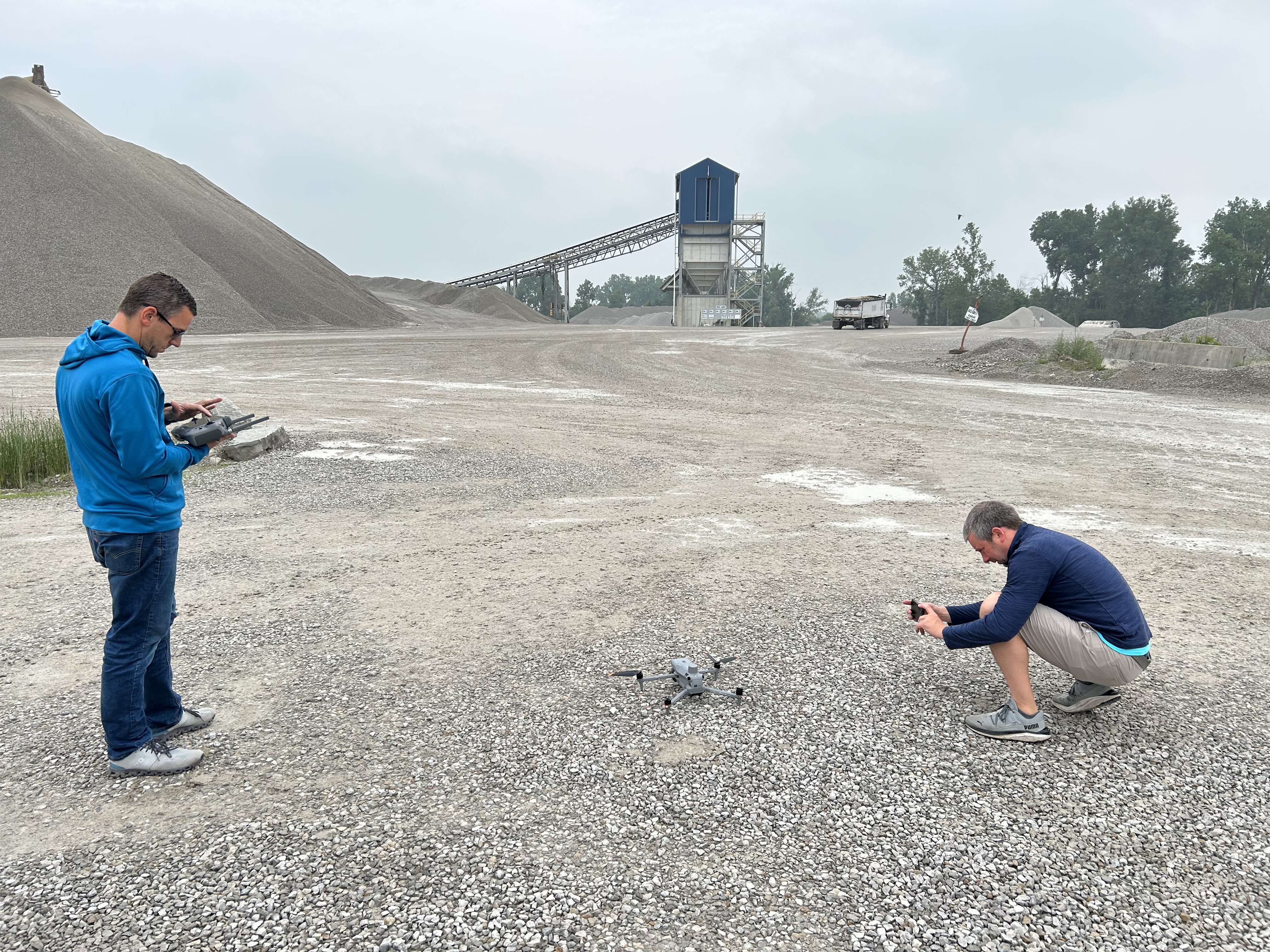
At St Louis Aerial Photography, we’ve flown hundreds of stockpile missions across a variety of terrains and industries. Here are the top mistakes businesses make when flying drones over stockpiles—and how to avoid them.


1. Ignoring Flight Planning and Terrain Awareness

One of the most common (and costly) mistakes is launching a drone without adequate flight planning. Stockpiles often feature uneven elevations, steep angles, or shifting material. Without a pre-planned autonomous flight path or manual strategy that accounts for topography, it’s easy to miss essential data or capture distorted imagery.

Solution:
Use mapping software (like DroneDeploy or Pix4D) to pre-plan grid patterns and flight altitudes. Always factor in pile height, buffer zones, and possible elevation changes to ensure consistent overlap and image resolution.


2. Flying Too Low or Too High

Altitude matters. Flying too low can limit your field of view, reduce stitching quality in mapping, and increase collision risk with conveyors or machinery. Flying too high reduces detail and can violate FAA airspace regulations if conducted near restricted zones.

Solution:
Maintain optimal altitude based on the sensor’s field of view and ground sampling distance (GSD) required for your specific project. For stockpile volumetrics, 150–200 feet above ground level often provides a good balance between coverage and clarity.


3. Failing to Calibrate and Update Sensors

Even high-end drones can deliver poor data if sensors aren’t properly calibrated. Skipping pre-flight checks for GPS signal strength, compass calibration, or camera gimbal balance can result in off-kilter images, poor geotagging, or failed missions.

Solution:
Perform a full sensor calibration and diagnostics check before every flight. Ensure firmware and flight apps are up to date, and that the drone is operating within manufacturer and FAA specs.


4. Neglecting Overlap and Image Sequencing

Capturing aerial imagery with inadequate frontlap and sidelap (typically 70%/60%) results in holes in your 3D model or orthomosaic. Overlapping errors can ruin photogrammetry calculations, leading to inaccurate volume reports.

Solution:
Configure automatic flight missions with consistent image overlap and set your drone to take photos at timed intervals or via terrain-following mode to account for pile elevation changes.


5. Overlooking Legal Compliance and Airspace Restrictions

Flying drones for commercial purposes requires FAA Part 107 certification and awareness of local flight restrictions. Unauthorized operations near airports, over people, or in controlled airspace can result in serious legal consequences.

Solution:
Work only with certified FAA Part 107 drone pilots. At St Louis Aerial Photography, we not only hold the necessary licenses, but we handle all pre-flight authorizations and LAANC approvals to ensure compliant and safe operations.


6. Underestimating Post-Processing Requirements

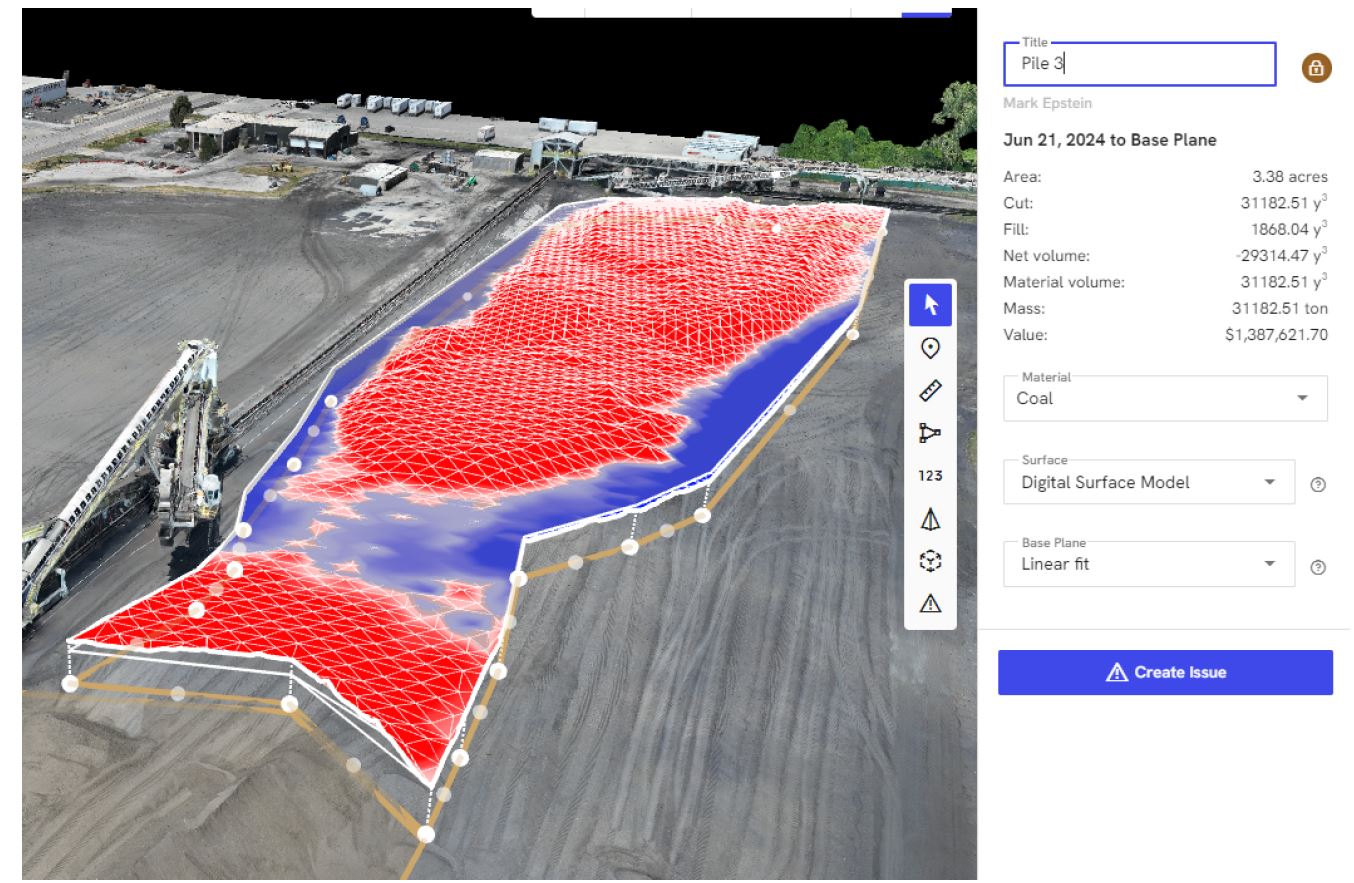
Collecting aerial data is only half the job. If your team lacks the tools or skills for photogrammetry processing, 3D modeling, or volumetric analytics, your imagery won’t yield the insights you need.

Solution:
Use professional post-production services with experience in stockpile data processing. Our team leverages advanced software, including AI-assisted editing and analytics, to deliver precise and actionable results.


7. Flying in Poor Lighting or Weather Conditions

Lighting dramatically affects shadow detail, image contrast, and color accuracy. Overcast skies can flatten textures, while harsh midday sun creates deep shadows that disrupt 3D reconstruction. Wind and rain are even more damaging to drone stability and sensor function.

Solution:
Schedule flights during optimal conditions—early morning or late afternoon for ideal lighting. Avoid windy or rainy days and monitor weather forecasts closely. Our crew at St Louis Aerial Photography is equipped to reschedule rapidly if conditions change.


Why Experience and Customization Matter

Flying drones over stockpiles is a technically demanding process. It takes more than a consumer drone and a sunny day—it requires experienced operators, professional-grade equipment, and the know-how to integrate all elements into a seamless data acquisition workflow.

At St Louis Aerial Photography, we’ve been delivering professional photography and video services since 1982, including drone services tailored specifically to stockpile monitoring and industrial imaging. We are:

  • FAA-certified with experienced commercial drone pilots.
  • Fully equipped for indoor or outdoor aerial operations, including obstacle-dense environments.
  • Skilled in photogrammetry, volumetric calculations, and AI-enhanced post-processing.
  • Capable of producing deliverables in any file format, ready for GIS, marketing, or compliance reporting.
  • Experts in repurposing video and photo assets across multiple platforms to increase ROI on your media investment.

Whether you need detailed stockpile measurements, visually engaging aerial content, or custom media for marketing campaigns, St Louis Aerial Photography has the tools, talent, and technical expertise to deliver. From our fully equipped studio to our fleet of specialized drones, we ensure your project is not only completed safely—but with excellence.

Let’s make your next aerial project a success—with precision from above.


Contact us today to learn how St Louis Aerial Photography can help your organization gain new perspectives and accurate insights—safely, creatively, and professionally.

314-604-6544

stlouisaerialphotography@gmail.com

High Above the Competition: Creative Ways to Use Drone Shots in Ads and Promos

In today’s crowded marketing landscape, grabbing attention quickly—and holding it—is more critical than ever. Aerial footage, once reserved for high-budget productions, is now a strategic asset available to businesses of all sizes. Thanks to advances in drone technology and the expertise of professional aerial teams, your brand can rise above the noise—literally and figuratively. At St Louis Aerial Photography, we’ve seen firsthand how creative drone shots can elevate advertising and promotional campaigns across industries.

Here are several imaginative and highly effective ways to incorporate drone footage into your marketing strategy:


1. Establish a Sense of Scale and Scope

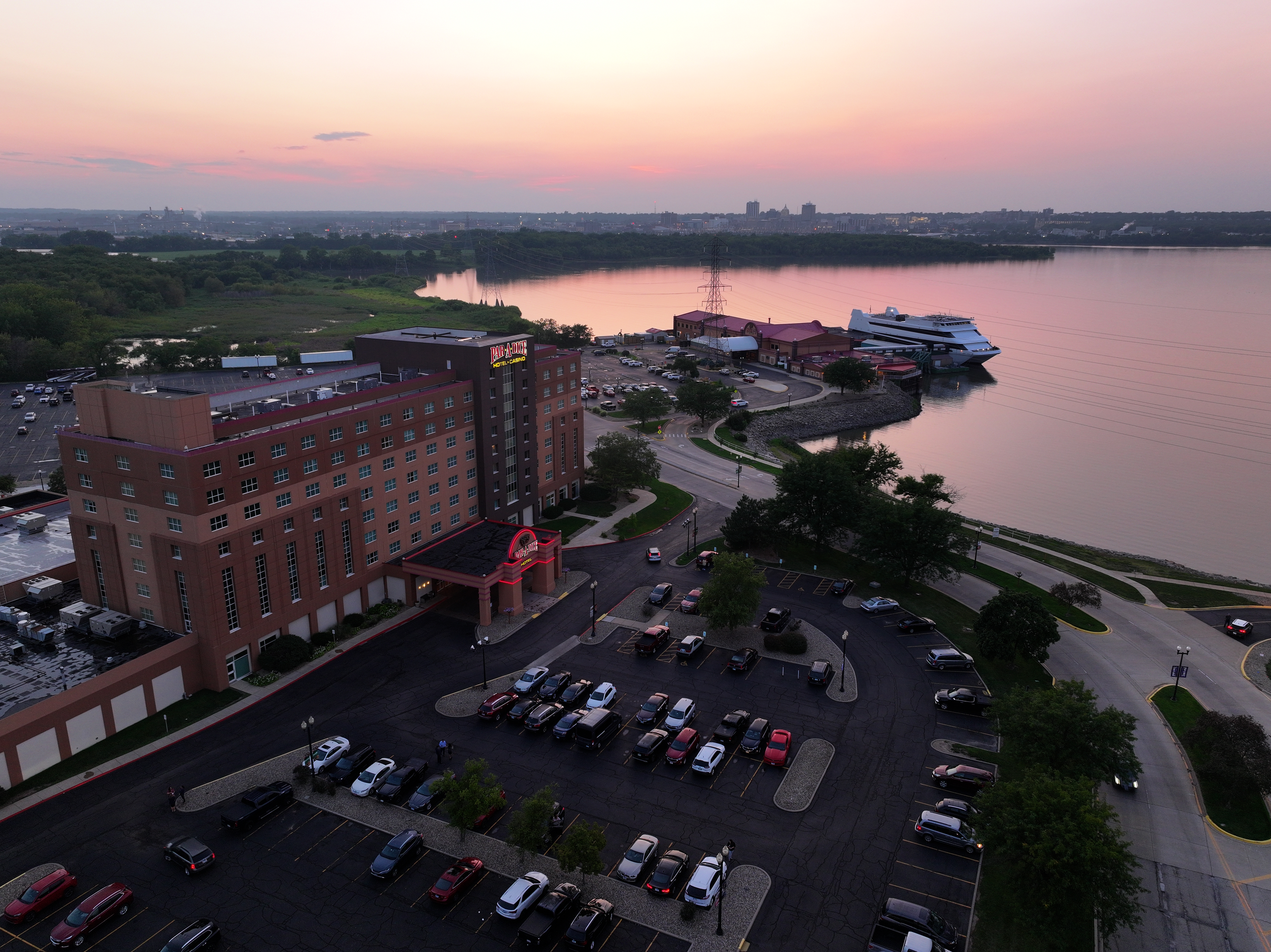
Whether you’re showcasing a sprawling corporate campus, a real estate development, or a manufacturing facility, aerial shots give viewers an instant understanding of size, capability, and presence. In commercials or brand videos, starting with a high-altitude establishing shot and transitioning to tighter frames builds narrative and visual interest while conveying professionalism.

Tip: A rising or sweeping drone shot can serve as a dramatic opener or closer in promotional spots.


2. Create Movement Without Motion Graphics

Drone footage adds natural, cinematic motion that brings energy to otherwise static scenes. A gentle glide over a product launch event or a smooth orbit around your building can feel more authentic than over-processed animation and keeps your audience engaged.

Tip: Pair subtle motion with voiceover and music for emotion-driven promos.


3. Highlight Environmental Impact or Sustainability

Many companies are eager to share their commitment to green practices—but it’s hard to show sustainability from ground level. Drone imagery helps you visually represent eco-friendly rooftops, green spaces, solar installations, or nature-integrated designs in an eye-catching way that supports your narrative.

Tip: A slow aerial pan across landscaped grounds or solar panels adds credibility to your message.


4. Follow the Action in Real Time

From construction timelines to large-scale events, drone cameras provide dynamic footage of things in motion. Perfect for time-lapse, before-and-after reels, or live footage of people engaging with your brand, this approach shows your company in action—literally building, hosting, and growing.

Tip: Consider overhead tracking shots or reveal sequences for maximum visual impact.


5. Tell a Story with Transitions

Drone footage offers natural transition points between scenes. For example, fly upward from an office interior to reveal the company’s headquarters, then cut to the boardroom where strategy is in action. These transitions feel polished and cinematic—enhancing the overall production value of any promotional video.

Tip: Use altitude or motion to transition between departments, locations, or product stories.


6. Bring Social Media Content to Life

Short drone clips are perfect for Instagram Reels, LinkedIn updates, or YouTube bumpers. Their visually stunning perspective naturally stops thumbs from scrolling, and the novelty factor makes them incredibly shareable.

Tip: Repurpose longer commercial footage into bite-sized aerial clips for multi-platform use.


7. Inspire Emotion and Awe

The right aerial angle can elicit feelings of inspiration, confidence, or innovation—especially when synced with uplifting music and brand messaging. Use wide, soaring drone footage to symbolize forward momentum, big-picture thinking, or transformative impact.

Tip: Set the emotional tone early with slow, dramatic aerial reveals in your promo.


Why Work with St Louis Aerial Photography?

At St Louis Aerial Photography, we specialize in harnessing the full power of aerial imaging to make your brand stand out. As a full-service professional commercial photography and video production company, we bring the right gear and a highly experienced creative crew to every shoot, ensuring the highest quality image acquisition every time.

Our capabilities extend beyond drone operations—we offer studio and location video and photography, editing, post-production, and licensed drone pilots. Whether you’re creating an ad campaign, corporate video, or social media spot, we can customize your production to meet any media requirement.

We’re experts at repurposing your photography and video branding for multiple platforms to maximize your marketing investment. With deep knowledge of all file types, media styles, and accompanying software, plus cutting-edge AI integration, we ensure your content is not only stunning but future-proof.

Our private studio setup is ideal for small productions and interviews, complete with space for props and full lighting rigs. From indoor drone flights to custom interview studios, professional sound and camera operators, and full crew support, we handle every detail—so your final product is seamless and professional.

Since 1982, St Louis Aerial Photography has proudly served businesses, marketing firms, and creative agencies throughout the St. Louis region. Let us take your next production to new heights.


Ready to elevate your brand? Contact St Louis Aerial Photography and discover how our aerial expertise can transform your next campaign.

314-604-6544

stlouisaerialphotography@gmail.com

How Drones Help Construction Managers Make Better Plans: A New Era of Project Precision

In the fast-paced world of construction management, accurate data and visual insights are essential for making informed decisions. Traditional methods of site surveying and progress documentation often leave gaps—gaps that can lead to costly mistakes and schedule delays. Fortunately, drone technology has emerged as a transformative tool, helping construction managers plan more effectively, monitor progress more precisely, and deliver better results for their clients.

At St Louis Aerial Photography, we’ve seen firsthand how aerial imaging is reshaping construction workflows. Let’s explore exactly how drones empower construction managers to make better plans—and why choosing an experienced team like ours is crucial for your project’s success.

Real-Time, High-Resolution Site Surveys

Drone imagery provides an up-to-date, comprehensive view of a construction site within hours rather than days or weeks. Construction managers can quickly access high-resolution orthomosaic maps, 3D models, and detailed photographs that offer centimeter-level accuracy. These aerial surveys allow teams to:

  • Verify site conditions before and during construction.
  • Identify obstacles that might delay progress.
  • Optimize site logistics, such as material staging and equipment access.
  • Cross-check actual site progress against architectural and engineering plans.

Instead of relying on outdated satellite images or manual site walks, managers can get a bird’s-eye view that’s not only faster but far more detailed.

Streamlining Project Planning and Design Adjustments

Construction plans are rarely static. Changes and modifications are part of the job. With drone data, managers have an agile tool to:

  • Spot design conflicts early before they turn into expensive reworks.
  • Adjust grading, drainage, and utility layouts based on accurate topographical information.
  • Model future phases of construction more realistically using current site conditions.

Having a drone-generated 3D model at your fingertips during planning meetings turns hypothetical discussions into actionable, visual strategies that save both time and money.

Enhanced Collaboration and Communication

Clear communication between stakeholders—developers, architects, engineers, contractors—is vital for a project’s success. Drone imagery bridges communication gaps by:

  • Providing visual documentation of current site conditions at any stage.
  • Sharing easily digestible aerial views in reports and presentations.
  • Aligning the project team with consistent, real-time updates.

Instead of interpreting survey data or reading lengthy status reports, stakeholders can see exactly what’s happening on-site, leading to better, faster decision-making.

Safer Inspections and Monitoring

Construction sites are inherently risky environments. Drone technology allows managers to:

  • Conduct routine inspections without putting workers at risk.
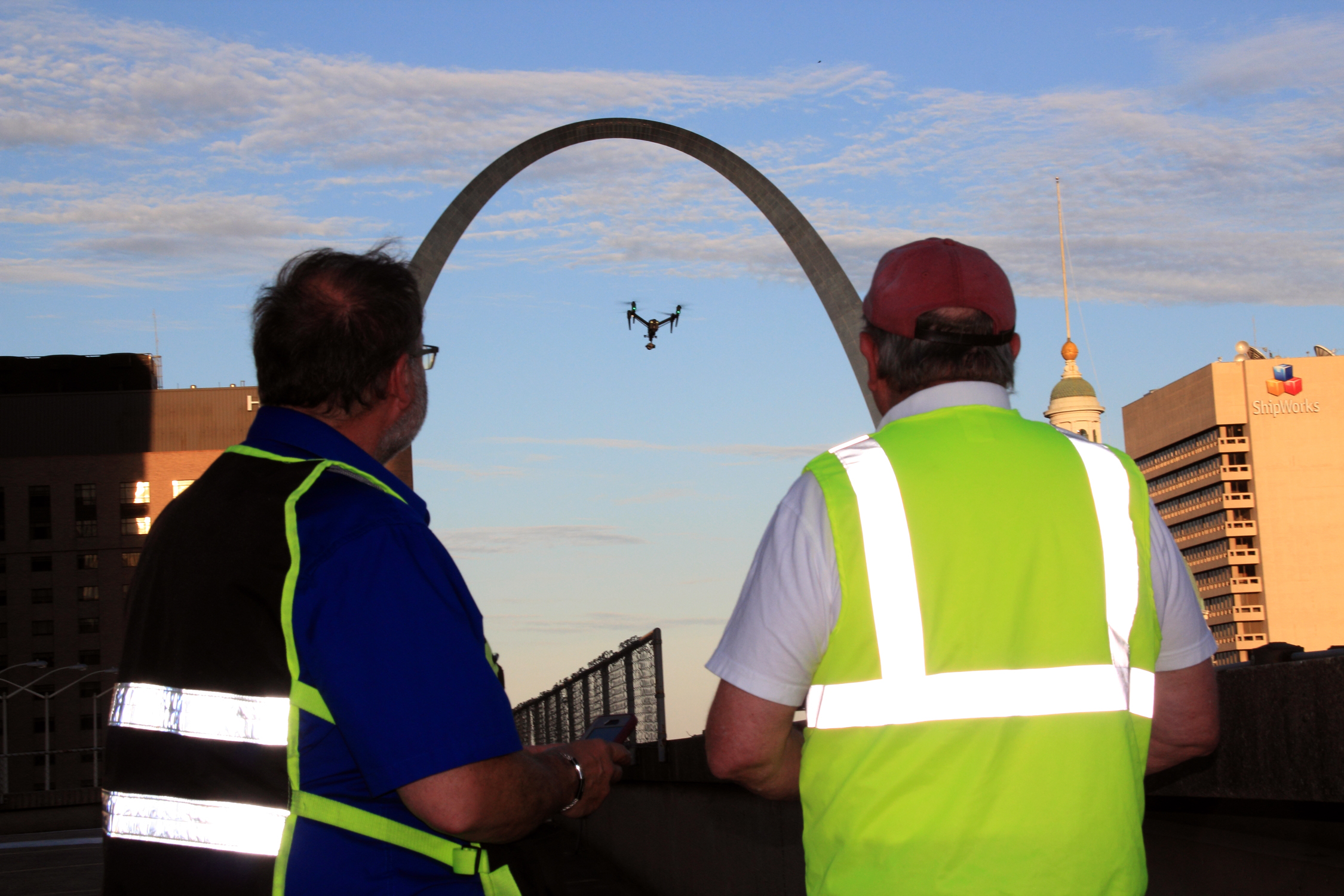
  • Monitor hard-to-reach areas, such as roofs, bridges, and tall structures, safely from the ground.
  • Identify safety hazards early, helping to maintain a secure site for all personnel.

By reducing the need for ladders, scaffolding, and other elevated work, drones directly contribute to a safer work environment.

Progress Tracking and Documentation

Drones make it easy to document project milestones with precision. Regular flights can create a detailed timeline of:

  • Earthwork progression
  • Structural installations
  • Site development benchmarks

These visual records are invaluable for client updates, contractor accountability, legal documentation, and future project marketing.

Why Choose St Louis Aerial Photography?

At St Louis Aerial Photography, we specialize in helping construction managers take full advantage of aerial imagery to optimize every phase of their projects. Since 1982, we have been a trusted partner for businesses, marketing firms, and creative agencies in the St. Louis area.

Our full-service capabilities include:

  • Studio and location video and photography
  • Licensed and insured drone pilots
  • Editing, post-production, and repurposing your media branding
  • Customized aerial productions tailored to your unique project needs
  • AI-enhanced media processing for sharper insights and faster turnaround times
  • Private studio setups perfect for interviews, custom scenes, and small-scale productions
  • Ability to fly specialized drones indoors for unique creative solutions

Our team is not just skilled in capturing beautiful visuals—we’re experts in the technical requirements, safety regulations, and creative storytelling that your projects demand. Whether you need detailed construction site mapping, marketing-ready aerial footage, or a complete video production package, St Louis Aerial Photography has the right equipment, the right team, and the right experience to deliver outstanding results.

Let us help you turn your next construction project into a smarter, safer, and more successful operation. Contact St Louis Aerial Photography today to learn how we can elevate your planning process.

314-604-6544

stlouisaerialphotography@gmail.com

Enhancing Safety and Accuracy: Drones for Infrared Inspections

In recent years, the use of drones has revolutionized various industries, and one area where their impact is particularly significant is in infrared inspections. As an experienced drone pilot and infrared technician at St. Louis Aerial Photography & Video, I am excited to share insights into how drones are transforming the field of infrared inspections, enhancing safety, and improving accuracy.

By deploying drones equipped with infrared cameras, inspectors can access hard-to-reach or hazardous areas without endangering themselves.

The Power of Infrared Inspections

Before we delve into the role of drones in infrared inspections, let’s understand the importance of this technology. Infrared thermography, commonly known as thermographic inspections, utilizes infrared cameras to detect and visualize thermal patterns on the surface of objects and structures. These thermal patterns can reveal hidden issues such as electrical faults, energy inefficiencies, moisture intrusion, and structural defects.

Traditionally, infrared inspections required technicians to physically access the areas of interest, which often posed significant safety risks, especially in industrial settings. Additionally, manual inspections were time-consuming and less comprehensive. Enter drones, which have transformed the way we conduct infrared inspections.

Drones in Infrared Inspections

1. Enhanced Safety

Safety is paramount in any inspection process, and drones have significantly improved safety standards in the field of infrared inspections. By deploying drones equipped with infrared cameras, inspectors can access hard-to-reach or hazardous areas without endangering themselves.

For instance, inspecting high-voltage power lines or the roofs of large industrial facilities used to involve climbing and putting technicians at risk. With drones, we can now fly over these areas, capturing thermal data from a safe distance. This not only protects the inspectors but also reduces the downtime associated with safety procedures.

2. Increased Efficiency

Drones have also revolutionized the efficiency of infrared inspections. Manual inspections are often labor-intensive and time-consuming, requiring inspectors to meticulously scan every square inch of a structure. Drones equipped with thermal cameras can cover large areas quickly, providing a comprehensive overview of the thermal landscape in a fraction of the time.

3. Cost-Effective

Infrared inspections with drones are not only efficient but also cost-effective. Traditional methods may require significant manpower and resources. With drones, you can achieve the same or even better results with fewer personnel, reducing operational costs. This cost efficiency makes infrared inspections accessible to a wider range of industries and businesses.

4. Accurate Data Collection

Accuracy is crucial in infrared inspections, as the data collected is used for critical decision-making. Drones equipped with high-resolution thermal cameras capture precise thermal imagery, ensuring that the data is reliable and actionable. This accuracy is especially valuable in industries such as building maintenance, energy auditing, and predictive maintenance.

5. Versatility

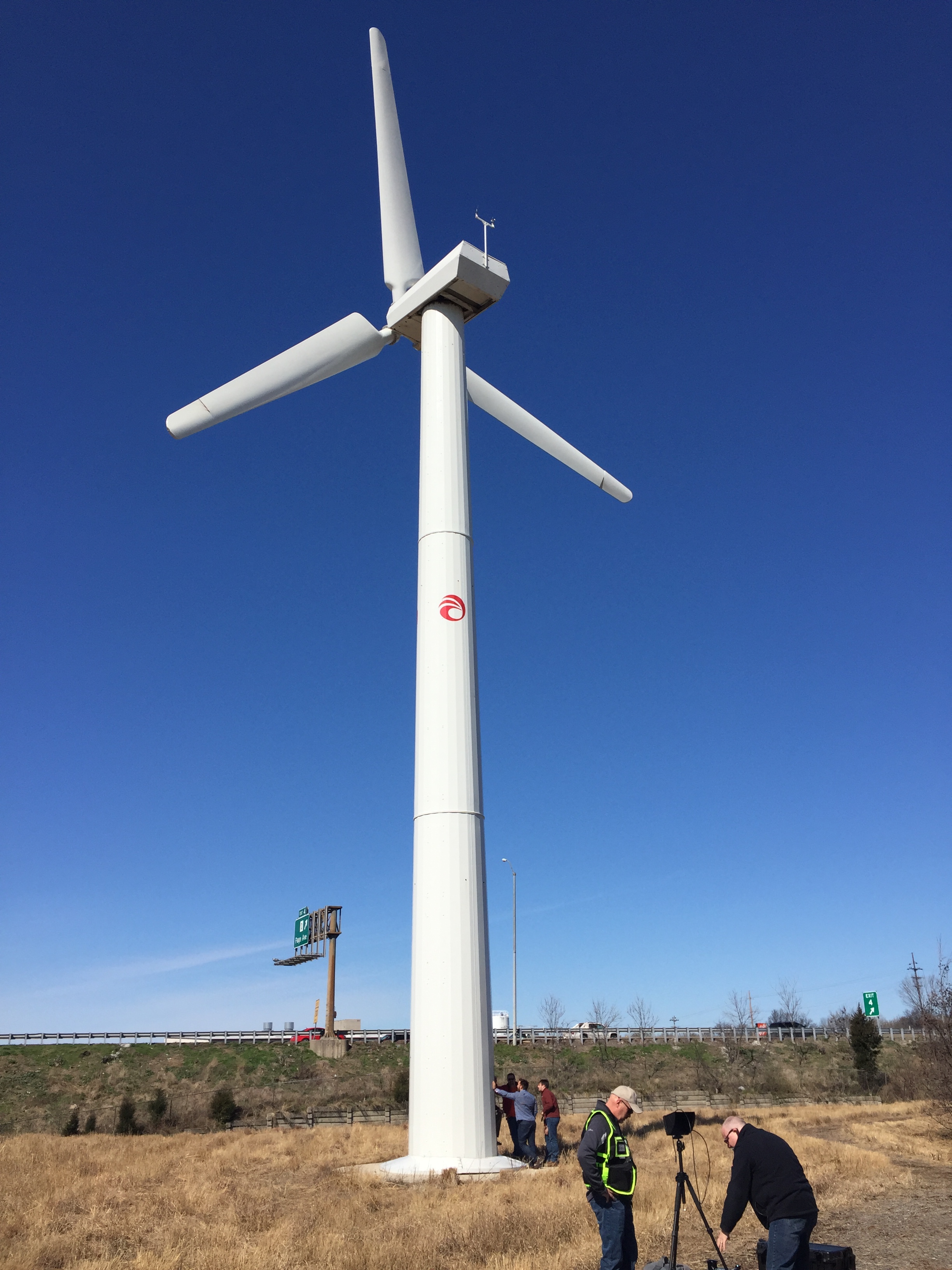
Drones are incredibly versatile and can adapt to various inspection scenarios. Whether it’s inspecting solar panels on a commercial building, assessing the integrity of wind turbine blades, or identifying water leaks in a large industrial facility, drones can be customized to meet specific inspection needs.

St. Louis Aerial Photography & Video: Your Infrared Inspection Partner

At St. Louis Aerial Photography & Video, we have positioned ourselves as a leading full-service infrared drone production and post-production company. Our team of experienced drone pilots and technicians is equipped with state-of-the-art thermal imaging equipment to provide accurate and insightful reporting.

Full-Service Studio and Location Video Recording and Editing

Our capabilities extend beyond infrared inspections. We offer full-service studio and location video recording and editing services. Whether you need an informative video showcasing your facility’s infrared inspection process or a comprehensive report presentation, our creative crew has the expertise to deliver compelling content.

Customized Video Productions

We understand that different industries have unique reporting needs. That’s why we specialize in customizing video productions to meet diverse requirements. Our experience spans across various sectors, including manufacturing, construction, energy, and more. We tailor our services to ensure that your specific needs are met.

Repurposing for Maximum Traction

Repurposing your video productions can maximize their impact. Our team is skilled in repackaging and repurposing content to reach a wider audience. Whether it’s creating shorter clips for social media or extracting key insights for internal use, we help you leverage your investment in infrared inspections to gain more traction.

Expertise in Infrared Media Software and Reporting

In the realm of infrared inspections, we are well-versed in all file types and styles of infrared media software and reporting. We ensure that the data we collect is not only accurate but also presented in a format that is easily understandable and actionable.

Call to Action

As a full-service video creation company, St. Louis Aerial Photography & Video has worked with many commercial businesses in the St. Louis area to create their building infrared reports. We have experienced drone videographers and producers to create insightful, accurate reporting. Our commitment to safety, efficiency, and accuracy makes us your ideal partner for all your infrared inspection needs.

In conclusion, the marriage of drones and infrared technology has opened up new possibilities in the field of inspections. The enhanced safety, efficiency, and cost-effectiveness offered by drones make them an invaluable tool for businesses and industries looking to ensure the integrity of their assets and facilities. At St. Louis Aerial Photography & Video, we are not just embracing this technology; we are leading the way in delivering top-notch infrared inspection services. Contact us today to discuss how we can elevate your infrared inspection processes and deliver actionable insights that drive informed decision-making.

Contact us now to schedule your next infrared inspection and experience the difference that expertise, cutting-edge equipment, and creative solutions can make.

314-604-6544

stlouisaerialphotography@gmail.com