Should the Video Crew Shoot Drone B-Roll Before or After the Video Interview?

When it comes to planning a video production, one of the critical decisions that can impact the quality of your footage is the timing of shooting drone B-roll in relation to the video interview. As a videographer or photographer working with businesses, marketing firms, or agencies, you know that every production detail contributes to the final product. With drone footage becoming a more prominent tool in corporate videos, the question arises: Should the video crew shoot drone B-roll before or after the video interview?

You can tailor the drone shots to align with the tone, environment, and messaging of the video, ensuring that the B-roll enhances the overall narrative.

Let’s explore the advantages and best practices of both approaches so you can make an informed decision for your next production.

Shooting Drone B-Roll Before the Interview

1. Optimizing Lighting Conditions
When shooting drone B-roll before the interview, you can take advantage of natural lighting, especially during the golden hour (early morning or late afternoon). Outdoor shots with soft, flattering light create a beautiful visual tone and a professional feel for corporate videos. Once you start the interview, you might lose the ideal lighting conditions, especially if the production runs longer than expected.
2. Increased Flexibility
Filming drone B-roll before the interview allows you the flexibility to capture the ideal shots at your own pace, without worrying about interrupting the flow of the interview. Since drone shots often require careful planning and timing, you can allocate ample time to execute the shots with precision. This is especially important when coordinating with other members of the crew or working in outdoor settings with unpredictable factors such as wind or weather.

3. Reduced Distractions for the Interviewee
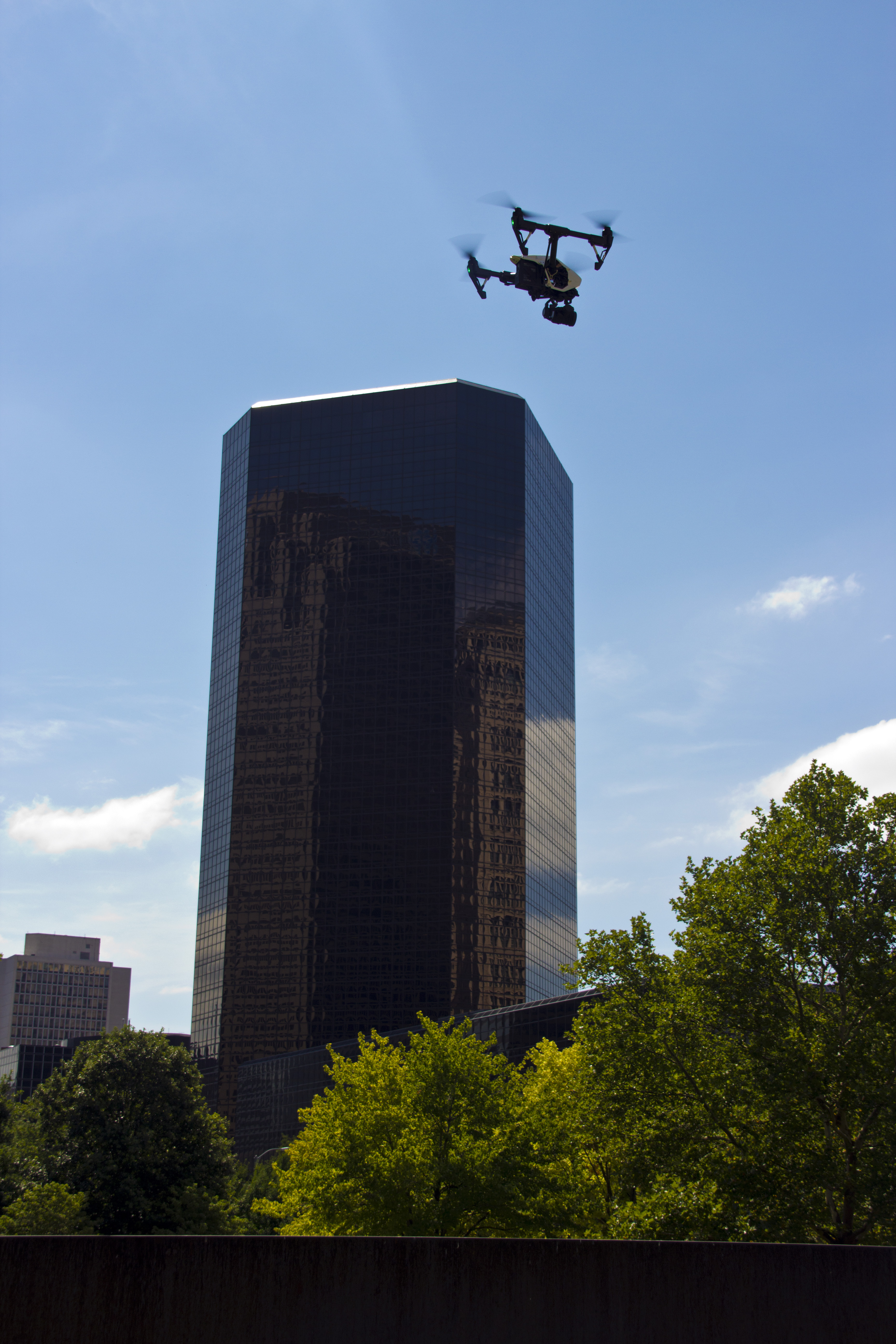
In many cases, interviewees may find the sound and presence of drones to be distracting. By shooting the drone B-roll first, you avoid the interruption of having to fly the drone during the interview, allowing the person on camera to focus entirely on delivering their message without external distractions.

4. Controlling the Narrative
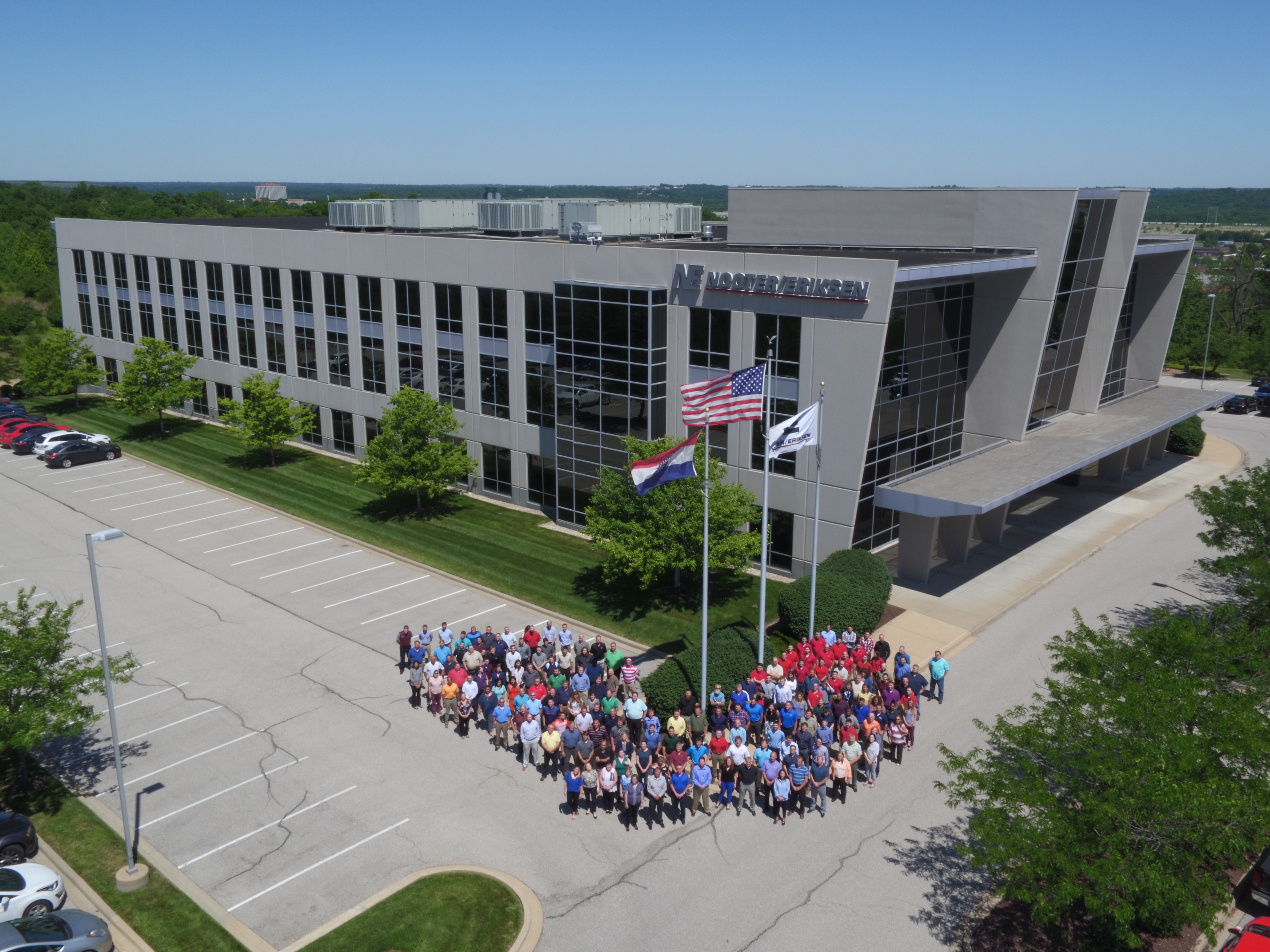
Capturing drone footage before the interview gives you time to adjust the shots based on the story you’re telling. You can tailor the drone shots to align with the tone, environment, and messaging of the video, ensuring that the B-roll enhances the overall narrative. Whether you’re shooting establishing shots, sweeping landscape views, or aerial perspectives of the interview location, pre-planning the drone footage helps maintain consistency throughout the video.

Shooting Drone B-Roll After the Interview

While shooting drone B-roll before the interview offers multiple advantages, there may be situations where shooting after the interview is more appropriate.

1. Location-Based Context
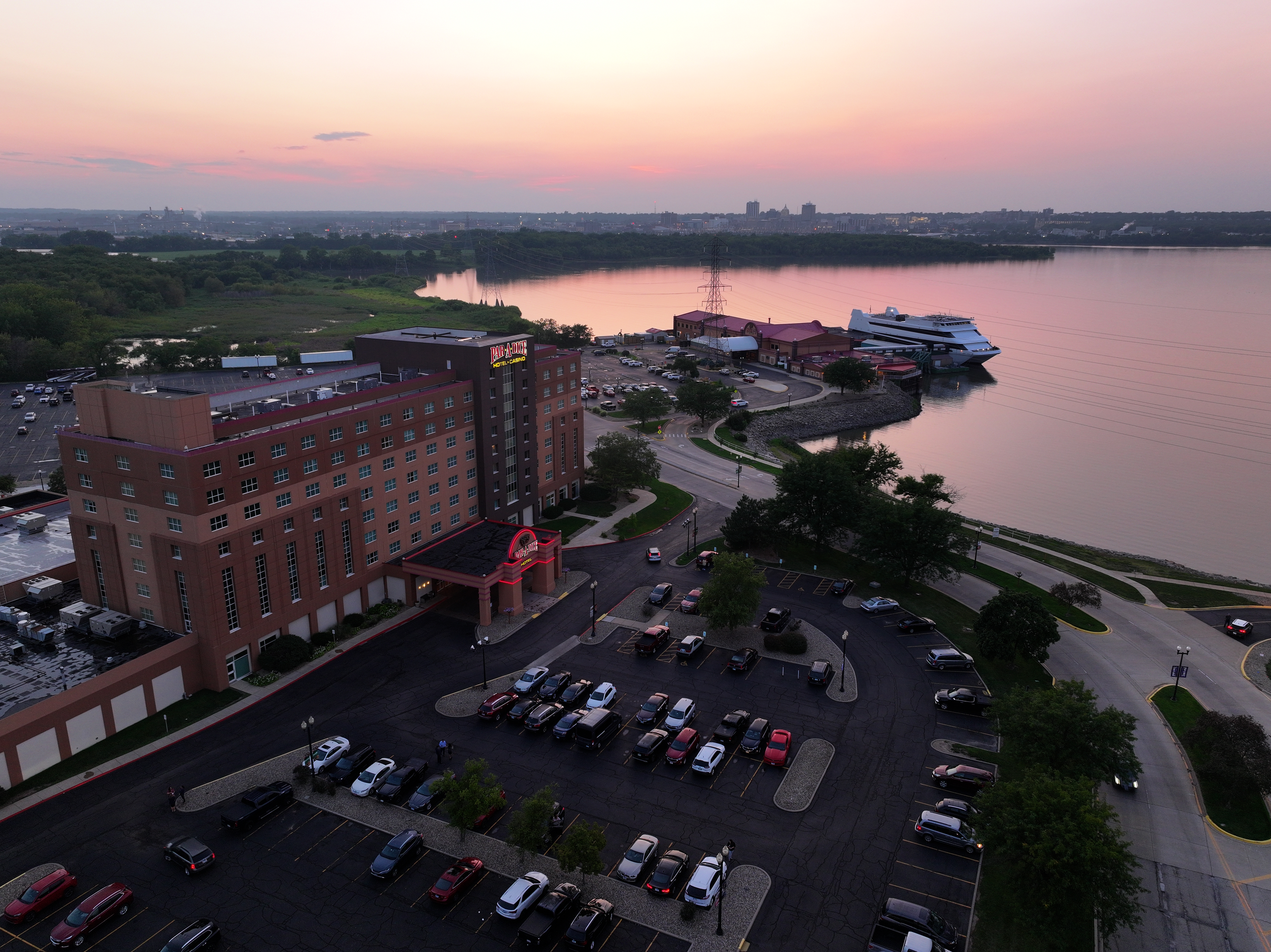
If the interview is filmed on location and the surroundings play a significant role in the message of the video, shooting drone B-roll after the interview could make sense. This ensures that the drone shots are directly linked to the environment in which the interview took place, giving your audience a clear sense of the setting and enhancing the context of the interview.
2. Continuous Storytelling
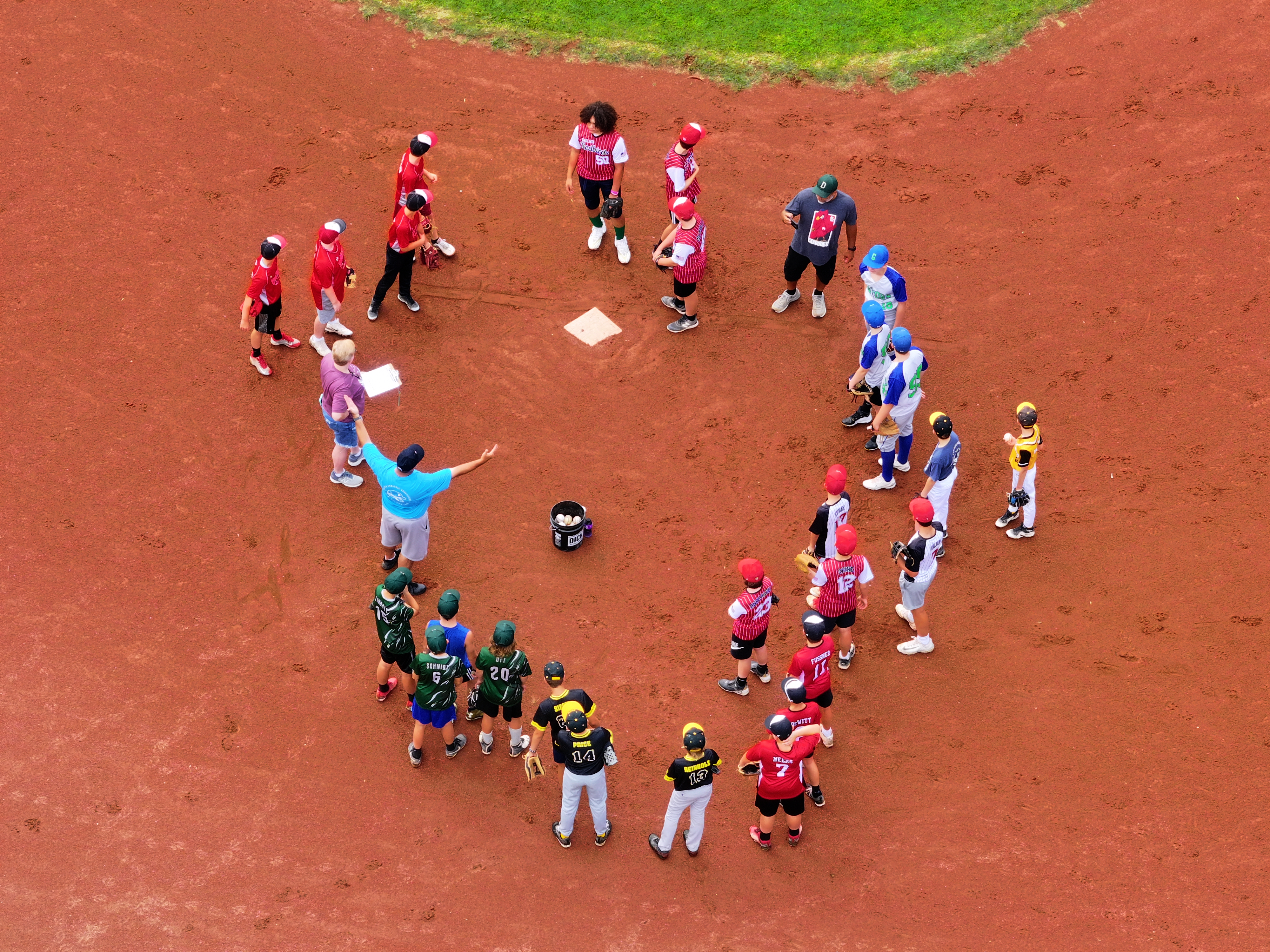
In some cases, you may want to end the video with a powerful aerial shot that ties into the conclusion of the interview. Shooting drone B-roll after the interview provides the opportunity for seamless storytelling, with a final aerial perspective that underscores the main points of the video or leaves the audience with a lasting impression.

The Best Approach for Corporate Video Production

While both options have their merits, in most cases, shooting drone B-roll before the interview is the optimal approach. It gives you the flexibility to get the best lighting, the right shots, and the peace of mind that the interview won’t be disrupted. Additionally, by capturing the drone footage ahead of time, you ensure that your production schedule remains fluid and you have sufficient time to focus on the interview.

That said, every production is unique. Factors such as the location, story, and timing of your shoot may influence whether shooting drone B-roll before or after the interview is best. The key is to plan the logistics of your shoot thoroughly and consider how each element will contribute to the overall flow and narrative of your video.

Why St. Louis Aerial Photography Is Your Ideal Partner for Video Production

At St. Louis Aerial Photography, we’ve been producing high-quality corporate video and photography since 1982. We specialize in creating customized productions for a wide range of media requirements, and our experienced crew is well-versed in all aspects of professional video and photography, including drone services.

Our full-service offerings include:

  • Full-service studio and location video and photography
  • Editing and post-production
  • Licensed drone pilots
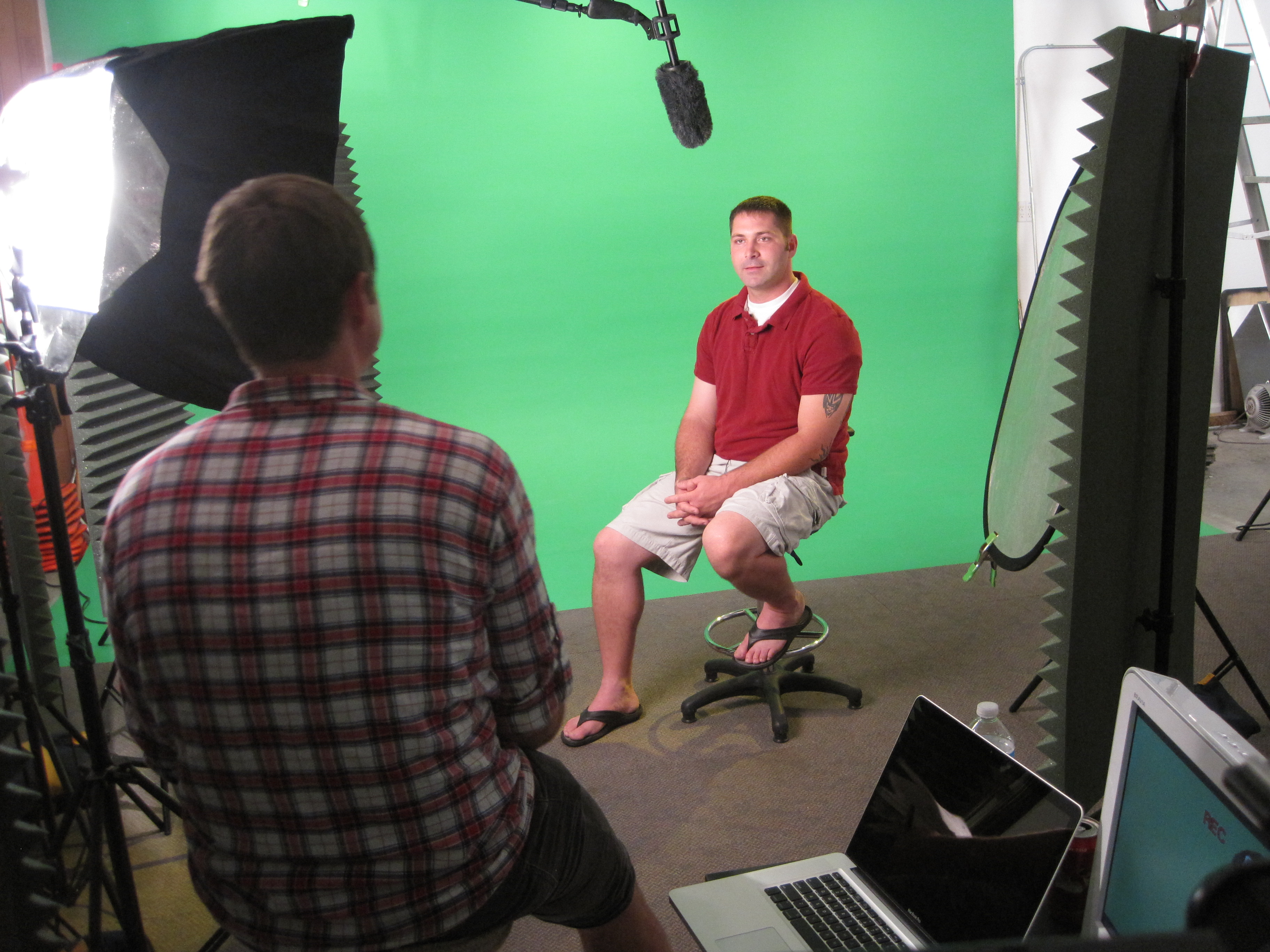
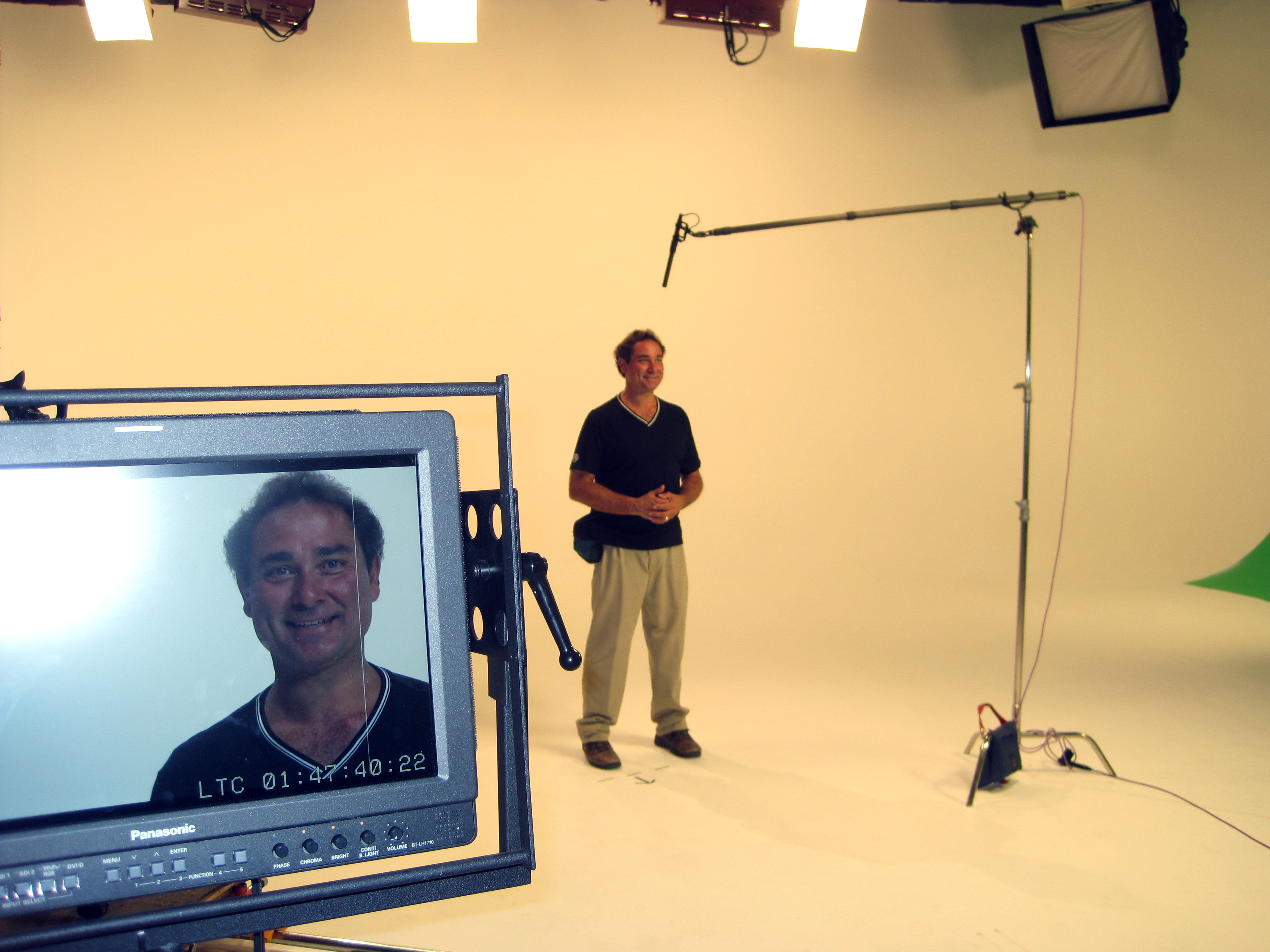
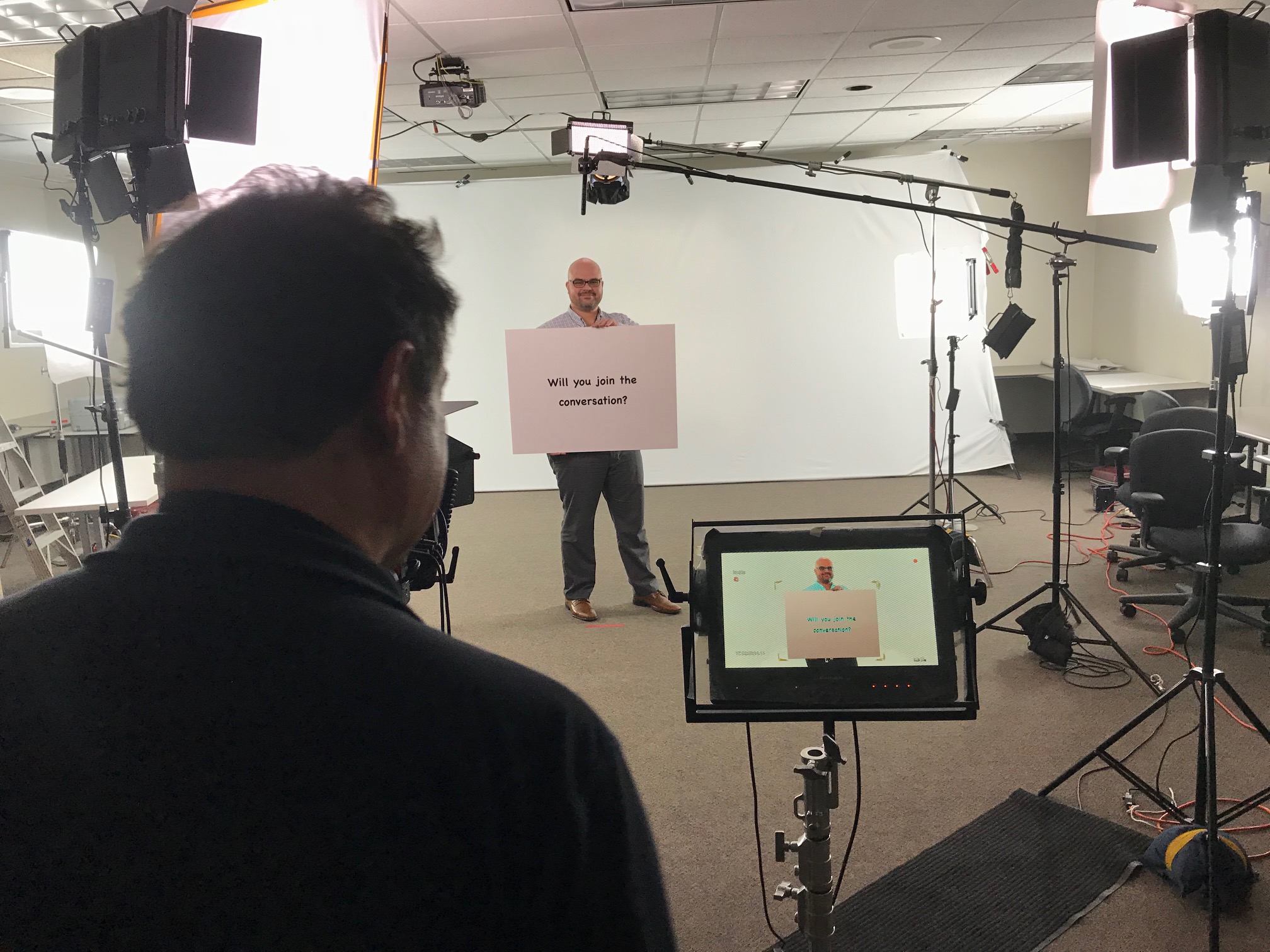
  • Private studio lighting and visual setups perfect for small productions and interviews
  • Repurposing your photography and video branding to maximize its reach and effectiveness

Our creative team can help with every part of your production, from providing the right equipment to offering specialized sound and camera operators. We have a private studio large enough to accommodate props and to create custom setups for interviews and scenes. With the ability to fly our specialized drones indoors and customize your production to meet your specific needs, St. Louis Aerial Photography is the right partner for your next corporate video project.

Whether you need dynamic drone footage, custom interview setups, or expert post-production services, St. Louis Aerial Photography has the right tools and experience to make your vision a reality. Our team is dedicated to ensuring your production goes smoothly and delivers the professional results you expect.

Reach out to us today to learn more about how we can elevate your corporate video production.

314-604-6544

stlouisaerialphotography@gmail.com

Enhancing Your Testimonial Videos with Drone B-Roll Footage

At St Louis Aerial Photography & Video, we understand the power of storytelling in visual media. We specialize in creating compelling testimonial videos for businesses that leave a lasting impact on their target audience. One of the most effective techniques we employ to enhance these videos is the use of drone B-roll footage. In this article, we will explore how incorporating aerial shots can elevate your testimonial videos and provide a unique perspective that captivates viewers.

Elevate the overall production value and create a memorable viewing experience for your audience.

Why Testimonial Videos?

Testimonial videos are an invaluable marketing tool for businesses of all sizes. They offer a genuine and authentic portrayal of a satisfied customer’s experience with your products or services. When potential customers see real people sharing their positive experiences, it builds trust, credibility, and a personal connection. Testimonial videos can effectively influence purchasing decisions and drive customer engagement.

However, creating compelling testimonial videos goes beyond just capturing interviews. It requires a well-crafted narrative that engages viewers and leaves a lasting impression. That’s where drone B-roll footage comes into play.

The Power of Aerial Perspective

Drone technology has revolutionized the way we capture videos. It provides a unique vantage point, allowing us to showcase locations, products, or services in a visually stunning and immersive manner. By incorporating aerial shots into your testimonial videos, you can elevate the overall production value and create a memorable viewing experience for your audience.

1. Showcasing Locations

If your business operates in a visually appealing location, drone B-roll footage can showcase it in all its glory. Whether it’s a breathtaking natural landscape, a bustling cityscape, or a picturesque architectural marvel, aerial shots capture the essence of a place like no other. By adding these shots to your testimonial videos, you create a visual backdrop that adds depth and context to the testimonials.

2. Highlighting Product Features

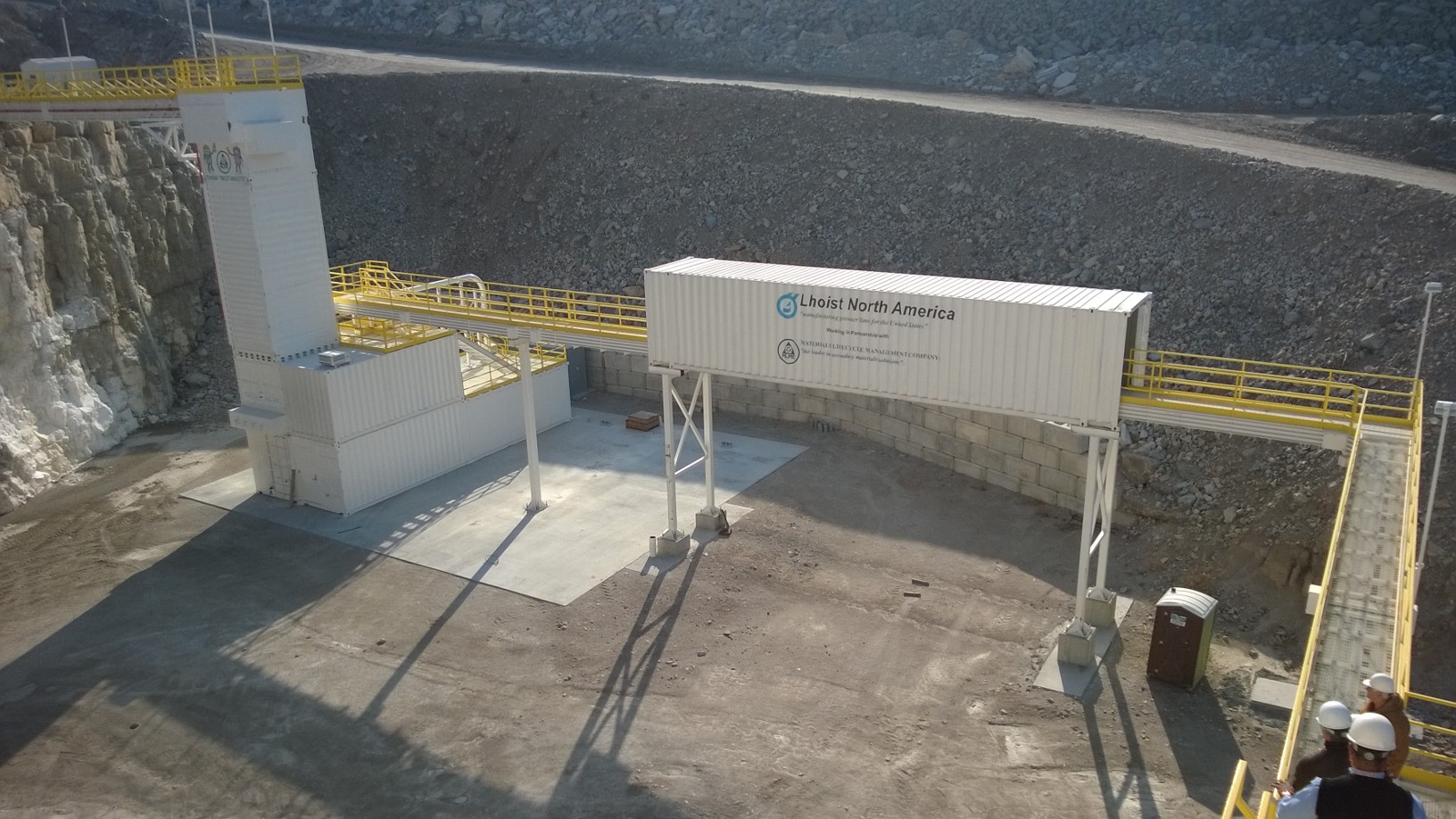
For businesses that offer tangible products, aerial footage can be an excellent way to highlight their features and capabilities. Drones can fly around and above the product, capturing it from various angles and perspectives. Whether it’s a sleek new gadget, a luxury vehicle, or a stunning piece of architecture, aerial shots can provide a dynamic and captivating portrayal of the product’s design, functionality, and scale.

3. Emphasizing Scale and Impact

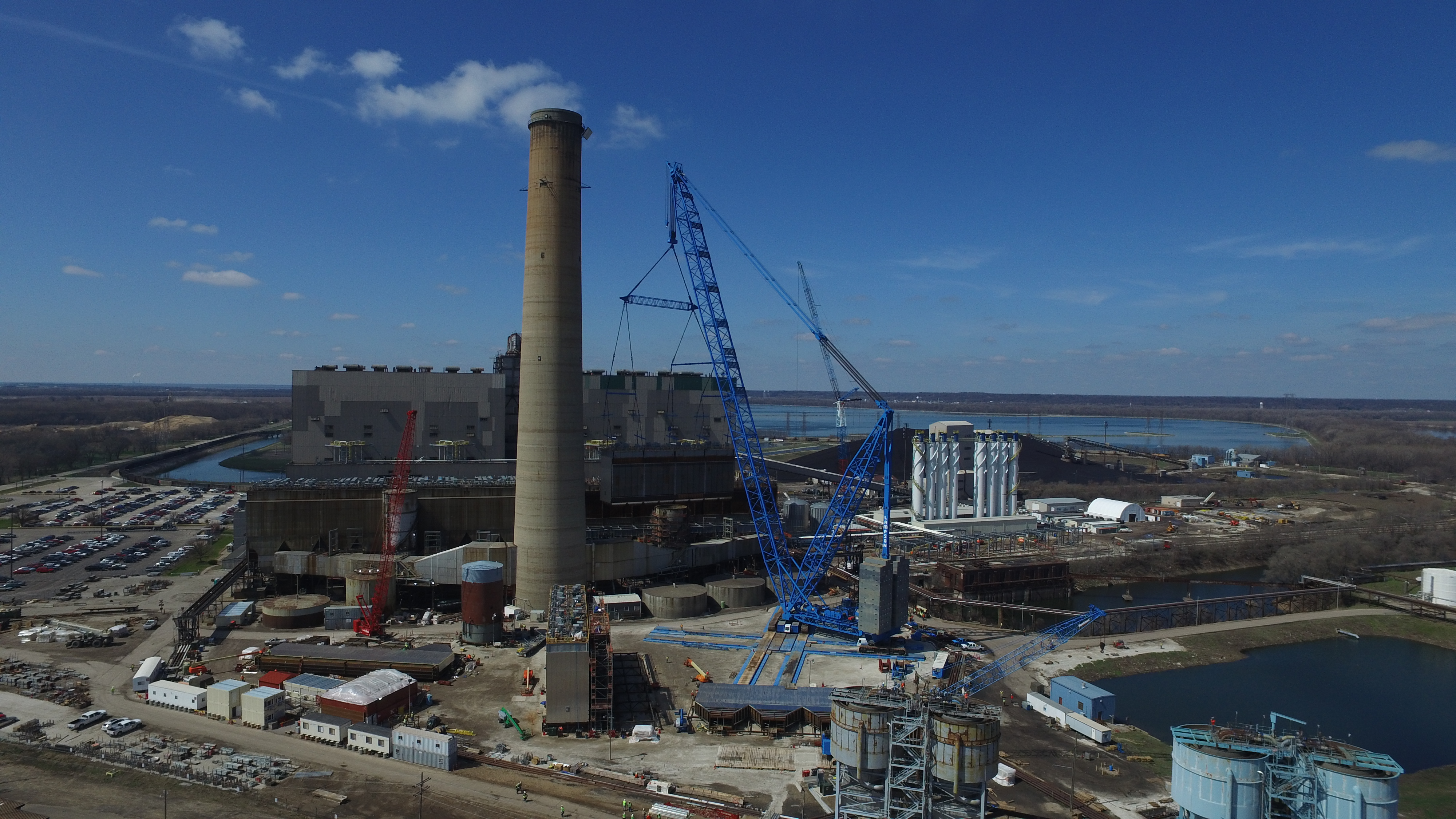
Aerial shots are particularly effective in industries where scale and impact are important. If your business operates in construction, real estate, or infrastructure development, showcasing the grandeur of your projects from above can be truly awe-inspiring. Testimonial videos with drone B-roll footage can capture the scale, scope, and progress of your work, leaving a lasting impression on viewers and instilling confidence in your capabilities.

4. Creating Visual Transitions

In addition to their standalone impact, aerial shots can also serve as visually engaging transitions between testimonial segments. By seamlessly blending drone B-roll footage with interviews, you can create a smooth and captivating viewing experience. These transitions keep viewers engaged and help maintain a cohesive narrative flow throughout the video.

St Louis Aerial Photography & Video: Your Testimonial Video Partner

As experienced multimedia creators, St Louis Aerial Photography & Video has mastered the art of incorporating drone B-roll footage into testimonial videos. We have a team of skilled drone pilots and video producers who can capture stunning aerial shots that enhance your brand’s storytelling. With our expertise in commercial photography and video production, we are well-equipped to meet your branding and business marketing communications needs.

Located in St. Louis, we have a deep understanding of the local landscape and can seamlessly integrate aerial and ground video production to deliver exceptional results. Our commitment to quality and attention to detail ensure that your testimonial videos not only resonate with your audience but also leave a lasting impact.

As a full-service commercial photography and video company, we offer a comprehensive range of services to cater to your specific requirements. From initial conceptualization and scripting to shooting, editing, and post-production, we handle every aspect of the video creation process with utmost professionalism and creativity.

Contact St Louis Aerial Photography & Video today to discuss how we can help you create captivating testimonial videos that incorporate drone B-roll footage. Boost your brand’s marketing efforts and leave a lasting impression on your audience with our expertise in aerial and ground video production.

As experienced multimedia creators, St Louis Aerial Photography & Video has created many testimonial video productions. Contact us today to discuss your branding and business marketing communications needs.

314-604-6544

stlouisaerialphotography@gmail.com

From Concept to Completion: A Step-by-Step Guide to the Video Production Process

As someone who has worked in the video production industry for many years, I am often asked about the process involved in creating a video, from start to finish. While it may seem like a daunting task, video production can be broken down into several manageable stages. In this article, I will guide you through the step-by-step process of video production, from concept to completion.

A well-produced video can help to increase brand awareness, generate leads, and drive sales.

Introduction to Video Production

Video production is the process of creating a video, from its conceptualization to its distribution. This includes planning, filming, editing, and post-production, and requires a team of professionals working together to bring the project to life.

There are several types of videos that can be produced, including promotional videos, corporate videos, explainer videos, and event videos. Each type of video has its own unique requirements and objectives.

Before beginning any video production project, it is important to identify the purpose of the video, the target audience, and the key message that needs to be conveyed.

Pre-Production Stage: Concept and Planning

The pre-production stage is the planning stage of video production. This is where the overall concept of the video is developed, and the logistics of the project are worked out.

During this stage, it is important to identify the key objectives of the video, the target audience, and the desired tone and style. This will help guide the rest of the production process.

Additionally, the pre-production stage is where the budget and timeline for the project are established. This includes determining the scope of the project, the resources needed, and the deadlines for completion.

Pre-Production Stage: Scriptwriting and Storyboarding

Once the concept and planning are in place, the next step is to develop a script and storyboard. The script will outline the dialogue and action that will take place in the video, while the storyboard will provide a visual representation of each shot.

The script and storyboard are crucial components of the video production process, as they provide a roadmap for the filming process. They also ensure that the video will convey the desired message and tone.

Pre-Production Stage: Location Scouting and Casting

Before filming can begin, locations for the shoot must be identified and secured. This includes scouting for the right setting, as well as obtaining any necessary permits.

Additionally, casting must be completed during this stage. This involves selecting the actors or presenters who will be featured in the video.

It is important to ensure that the actors or presenters are suitable for the project, and that they are comfortable with the script and any action they may be required to perform.

Production Stage: Filming and Capturing Footage

The production stage is where the video is filmed and the footage is captured. This involves setting up the cameras, lighting, and sound equipment, as well as directing the actors and presenters.

During filming, it is important to capture a variety of shots, including wide shots, close-ups, and medium shots. This will provide the editor with a variety of footage to work with during the post-production stage.

It is also important to ensure that the sound quality is high, as poor sound can greatly affect the final product.

Post-Production Stage: Editing and Sound Design

The post-production stage is where the raw footage is edited and refined. This involves cutting the footage down to the desired length, and arranging it into a cohesive story.

Additionally, sound design is completed during this stage. This includes adding music, sound effects, and voiceovers, as well as adjusting the levels of the sound to ensure that it is consistent throughout the video.

Post-Production Stage: Color Grading and Visual Effects

Color grading and visual effects are also completed during the post-production stage. Color grading involves adjusting the color and contrast of the footage to create a consistent look and feel throughout the video.

Visual effects can also be added during this stage, such as motion graphics or special effects. These effects can add visual interest to the video and help to convey the message more effectively.

Post-Production Stage: Adding Music and Final Touches

The final touches are added during the post-production stage. This includes adding any final touches to the sound design and visual effects, as well as adding the opening and closing credits.

Additionally, music is added during this stage. The right music can greatly enhance the final product, and can help to convey the desired tone and emotion.

Distribution and Promotion: Marketing Your Video

Once the video is complete, the final step is to distribute and promote it. This involves uploading the video to the desired platform, whether it be YouTube, Vimeo, or another platform.

Additionally, the video must be promoted through social media, email marketing, and other channels. This will help to ensure that the video reaches its target audience and achieves its key objectives.

Conclusion: The Impact of Video Production on Your Brand or Business

Video production can have a significant impact on your brand or business. A well-produced video can help to increase brand awareness, generate leads, and drive sales.

By following the steps outlined in this guide, you can ensure that your video production project is a success, and that it helps to achieve your key objectives.

If you’re interested in learning more about video production, or if you have a project that you would like to bring to life, please contact us today. We would be happy to help you with all of your video production needs.

st louis video | video production companies | video services

St Louis Video Production Crews
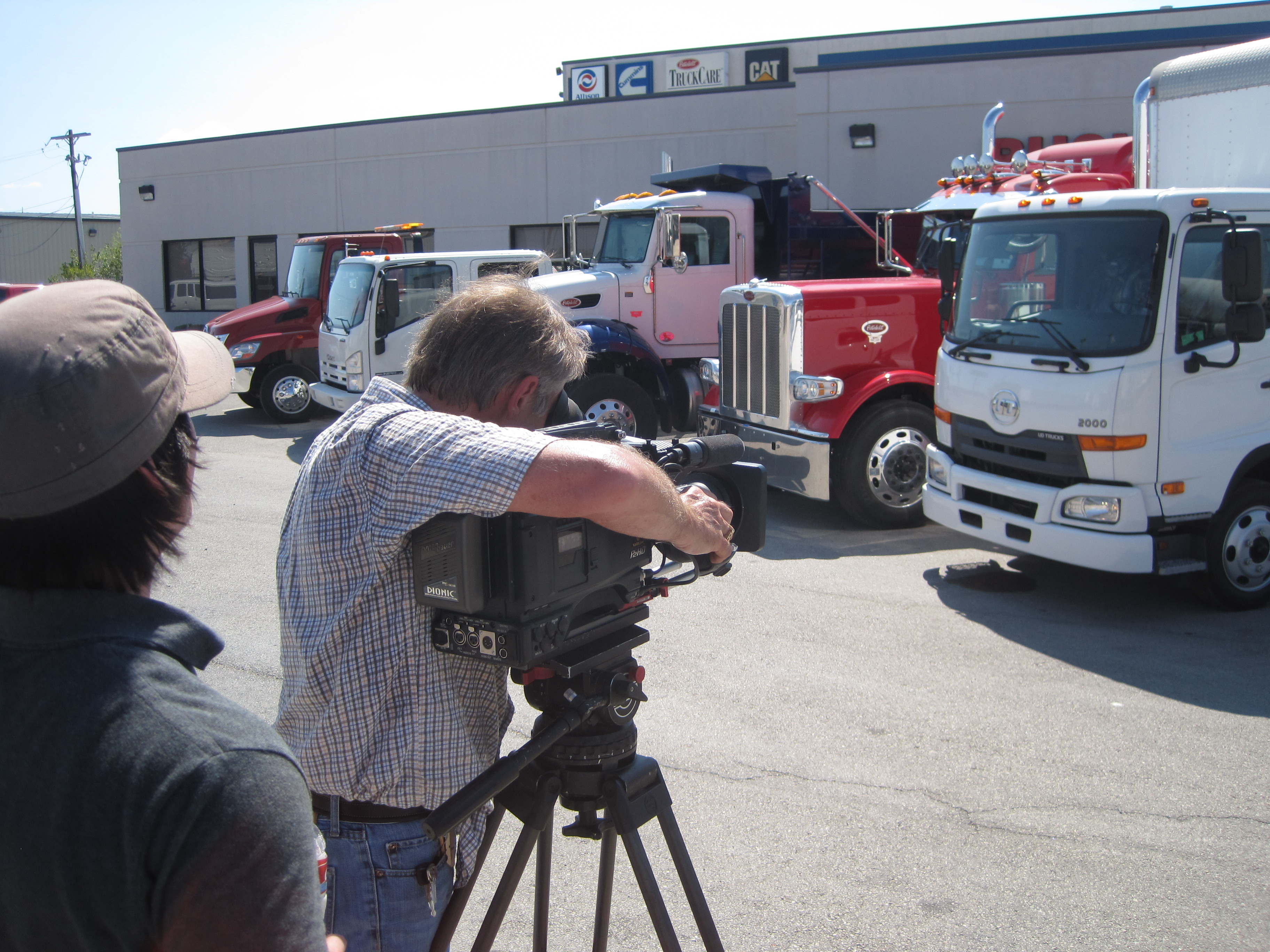
We offer full service video production camera crews. We will provide you a complete St. Louis-based video crew with a full gear package or simply a videographer with a lighting kit. Whatever you need for your production. All crew members of our productions are experienced media professionals.

314-892-1233
Mike Haller
St Louis Video Producer
St Louis, Missouri, USA | Video Production
stlouisvideoproduction@gmail.com